

Key Takeaways
Timing tips for a calmer tide pool day:
- Match tide time to routine: Pick a low tide window that fits your child’s naps and meals, not just the chart.
- Arrive early for ease: Show up 30 to 60 minutes before low tide so parking and shoe changes feel unrushed.
- Keep the visit short: Plan to leave before frustration sets in, since a brief calm outing beats a long tired one.
The best time to visit White Point Beach tide pools is usually around low tide, when the rocky shoreline offers families more to notice, more to explore and more reason to slow down. But if you’re visiting with a toddler, the “best” time is not just the lowest number on a tide chart.
It’s the overlap between a good tide window and a child who is fed, rested, dressed for the coast and still willing to follow your lead.
That’s the part families feel in real life. A perfect low tide can still go sideways if it lands during nap time, after a rushed breakfast or right when your child is too hungry to care about tiny pools of water and seaweed. A slightly less perfect tide can become the better outing if everyone arrives calm enough to enjoy it.
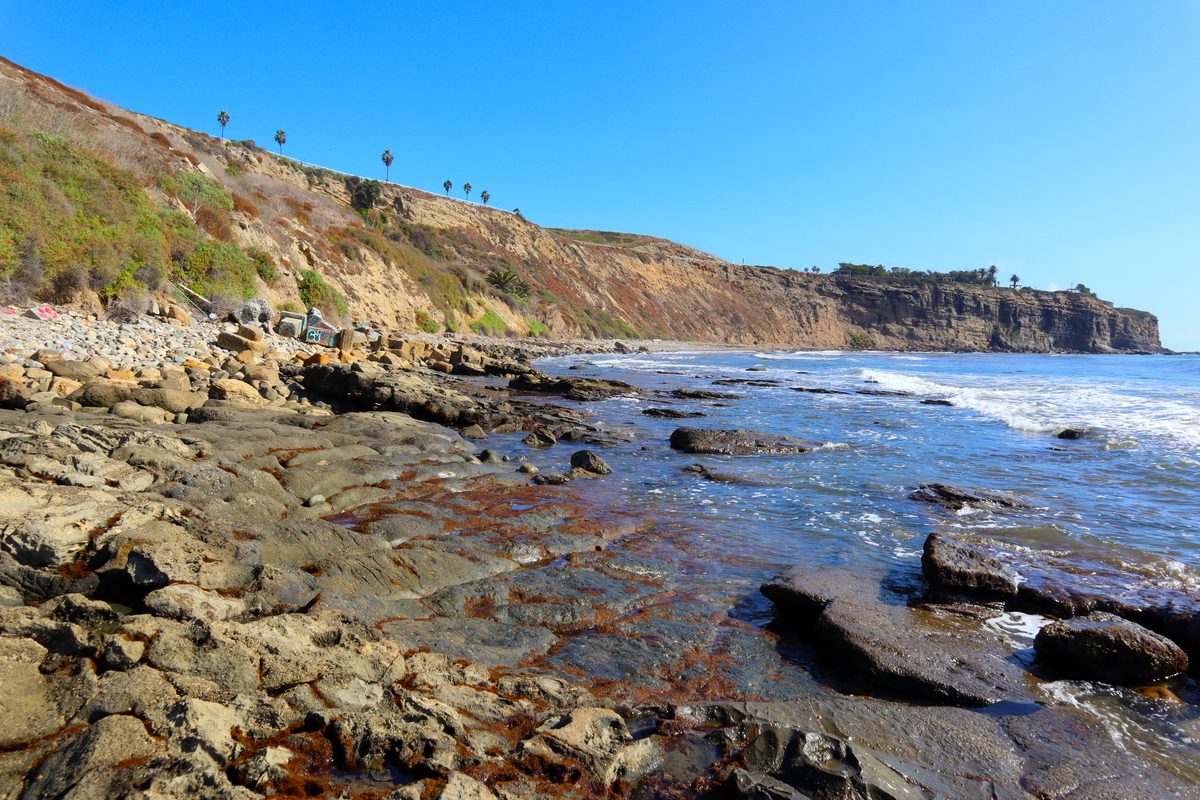
White Point and Royal Palms are known for having some of the most diverse tide pools in Southern California, which makes the area a worthwhile stop for families who want a short nature outing in San Pedro. The trick is choosing a time that works for the beach and for your child.
Why Low Tide Matters Most for White Point Beach Tide Pools
Tide pools form in the intertidal zone, the stretch of shore where the ocean meets the land between high and low tides. At higher water levels, many rocky areas are harder to see or reach.
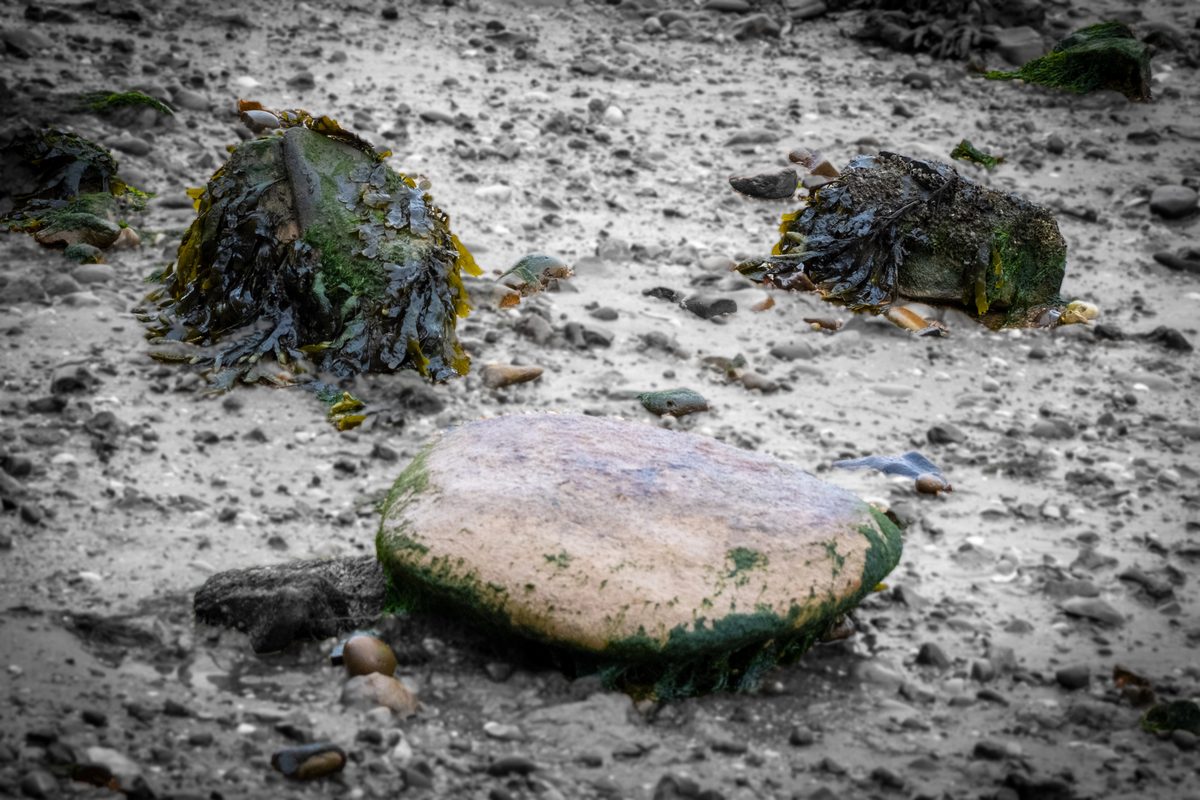
Around low tide, more of that shoreline opens up, giving kids a better chance to spot shallow pools, wet rocks, shells, seaweed and small signs of marine life. That’s why low tide matters so much.
For families, though, “low tide” should be treated as a window rather than one exact minute. If the tide chart says the lowest point is 9:20 AM, you don’t need to stand on the rocks at precisely 9:20. In most cases, your usable family window sits around that low point, with enough time before and after for parking, shoes, snacks and toddler pacing.
The tide chart gives you the science side. Your child gives you the family side.
If you’re still learning how tide timing works, start with how to read a tide chart for White Point Beach. Once you understand the day’s low tide, come back to the toddler question: Does that window actually fit your family? That second question matters just as much.
Morning vs Afternoon: What Works Best With Toddlers
Morning low tides often work well for young children because mornings usually offer better toddler conditions. Kids are fresher, adults have more patience, and the outing can end with lunch instead of a late-day scramble. Coastal air can also feel cooler earlier, which helps if your child gets hot, sticky or irritated quickly.
Morning has a rhythm families already understand. Eat breakfast, get dressed, head out, explore, snack, then leave before the day gets too wobbly.
That said, an early morning low tide can backfire. If you’re staying far from San Pedro, rushing out before breakfast may turn the outing into a car-seat protest before you even arrive. If your toddler needs a slow wake-up or has a firm morning routine, a theoretically great tide may not feel great once you’re loading shoes, snacks and sunscreen at the wrong speed.
Late morning is often the easiest compromise. It gives families time to wake up, feed everyone and still catch a workable low tide when the chart cooperates. For toddlers who nap after lunch, a late-morning tide can create a clean plan: tide pools first, then lunch, then nap.
Early afternoon takes more judgment. It may be easier for families driving in from another part of Los Angeles, but toddlers can be less forgiving by then. Hunger, heat, wind and skipped rest can make careful walking on rocks harder than it needs to be.
Late afternoon can be lovely for flexible kids. The light feels softer, the day may feel less rushed, and families who nap successfully may arrive with a reset child. But late afternoon can also collide with dinner hunger, chilly breezes and the pre-bedtime mood shift every caregiver knows too well.
The best answer depends on your child’s daily routine.
How Naps, Meals and Mood Affect the Best Visit Time
Toddlers don’t experience tide pools in isolation. They bring their sleep, hunger, sensory tolerance and transition skills with them.
A child who slept well, ate breakfast and had a calm ride may be ready to crouch, point and notice tiny details. A child who skipped snack, fought shoes and got carried from the car while crying may not care that the tide is perfect. That’s not a planning failure. It’s toddler math.
Start by placing the low tide against your child’s normal day. If low tide falls during a reliable nap, don’t build the whole outing around forcing that window. You might choose the edge of the tide window instead, shorten the visit or save tide pooling for another day.
If low tide falls right before lunch, bring a sturdy bridge snack and keep lunch plans simple. A toddler who gets hungry on the rocks may need food before they need one more pool. For help choosing snacks that actually work outside, use the guide to tide pool snacks.
Mood matters too. Some toddlers wake up ready to move. Others need a slow start before they can handle a rocky shoreline, wet textures and repeated instructions. If your child gets overwhelmed by new environments, choose the tide time that gives you the calmest arrival rather than the most dramatic low tide.
Early Morning Low Tide
An early morning low tide can be a gift for families with early risers. Your child is already awake, the day hasn’t been filled with decisions, and the outing can happen before everyone gets tired. If you’re staying nearby, this may be the cleanest option.
Early low tides work best when you can prep the night before. Put shoes, extra clothes, snacks and water together before bedtime. Keep breakfast simple. Give your toddler one clear sequence: eat, shoes, car, tide pools.
When the morning runs smoothly, you can explore, take a short reset break and leave while the day still has plenty of room. That makes lunch and nap easier to protect.
If the early start becomes stressful, don’t force the full outing. A shorter visit still counts.
Late Morning Low Tide
Late morning is often the most family-friendly tide window because it gives everyone time to arrive like human beings. You can feed your child, dress them for the rocks and reach White Point before the day becomes too hot or too tired.
This window works especially well for toddlers who nap after lunch. You can explore for a manageable stretch, offer a snack, then head toward food before the nap clock starts shouting.
It also pairs nicely with a short outing plan. If you want to map the timing into a real sequence, use a two-hour White Point tide-pool itinerary to keep the visit from exceeding your child’s capacity.
Late morning still needs a food plan. If your child is already asking for lunch on the drive, tide pooling may become a negotiation. Bring something simple enough to eat before stepping onto the rocks or during a quick reset away from the slippery areas.
Early Afternoon Low Tide
Early afternoon low tide can work, but it asks more from families. By then, toddlers may be close to nap, freshly awake from nap or somewhere in the messy middle. The weather may also feel less forgiving, especially if the day is sunny, breezy or crowded.
This timing can be useful for families staying farther away because it avoids a frantic morning drive. It may also work for toddlers who nap early and wake up ready for a short adventure.
The best early afternoon plan is smaller than you think. Don’t arrive expecting a long beach outing. Arrive with one goal: a quick look at the pools while the tide allows. Then leave space for lunch, a snack or a playground reset, depending on how your child handles the outing.
If everyone is sandy and hungry afterward, choose lunch for ease, not prestige. The guide to kid-friendly lunch spots in San Pedro can help you decide whether to sit down, pick up food or head back to your stay.
The beach may be the highlight. Lunch can just be a soft landing.
Late Afternoon Low Tide
Late afternoon low tide can be surprisingly good for families with flexible toddlers. A post-nap child may arrive refreshed, curious and ready for a short adventure. Adults may also feel less rushed if the morning is used for travel, errands or rest. But late afternoon has its own pressure points.
Dinner hunger can arrive quickly. Wind can feel sharper near the coast. A toddler who seems cheerful at 3:30 may be unraveling by 4:30. If you choose this window, keep the visit short and know your exit plan before you step onto the rocks.
This timing works best when dinner is already solved. That might mean an early meal afterward, pickup on the way back or a simple return to your hotel or vacation rental. For traveling families, having clean, safe and insured baby gear delivered through BabyQuip can make that return feel easier, especially when the right crib, stroller or high chair is already waiting.
Late afternoon is not the time to improvise every step.
When to Arrive Before Low Tide
For most toddler families, arriving 30 to 60 minutes before low tide gives you enough breathing room to park, unload, change shoes and move slowly toward the rocks. That buffer matters because toddlers do not transition to adult time.
They want to climb into the stroller themselves. Then they don’t. They want the snack now. They want to walk, then be carried, then walk again.
If you arrive exactly at the listed low tide, those little delays can eat into the best part of your window. You may still have a good visit, but you’ll feel more rushed. Arriving early lets the outing unfold without turning the tide chart into a countdown.
How the White Point Beach Tide Pools Window Should Feel
The best white-point beach tide-pool window should feel calm enough for your child to notice things. You’re not racing from pool to pool. You’re giving your toddler time to squat, point, ask, look away, come back and notice something new.
That slower pace is also better for safety. The intertidal zone is underwater during high tide and exposed to air during low tide, but wet rocks can still be slippery. Better timing gives you more room to supervise closely without feeling like every minute is slipping away.
Plan to leave before the outing peaks in frustration. That may be after 25 minutes of exploring with a younger toddler or closer to an hour with a steady older toddler. You don’t need to use the entire low-tide window to make the visit worthwhile.
Leave while the memory is still good.
The Best Visit Window for Different Family Situations
For toddlers under 2, choose the time that protects comfort first. A late-morning low tide often works well because you can avoid the hardest wake-up rush and still finish before deep nap pressure. Keep the visit short, use a stroller when it helps, and expect to carry your child through uneven areas.
For kids who nap mid-morning, the best time may be after nap, even if the tide is not perfect. A tired child on slippery rocks is harder than a rested child with a smaller viewing window. If the low tide lands right in the nap, consider the edge of the window or another date.
For visiting families staying farther away, build more margin than locals need. Traffic, parking, unfamiliar streets and hotel mornings all add friction. A late-morning or early-afternoon tide may be more realistic than a dawn outing that asks everyone to operate too quickly.
When grandparents are joining the outing, aim for comfort and an easy pace over the lowest tide number. Easier unloading, steady walking time and a clear place to pause can help everyone settle in. A slightly later arrival can make the whole visit feel more relaxed and enjoyable.
When the low-tide window is short, a smoother arrival matters. Families can rent mobility gear through BabyQuip, including clean, safety-checked wheelchairs or walking aids, with delivery to hotels, vacation rentals, residences or airports.
For families who want to add lunch or a playground afterward, late morning usually creates the cleanest flow. Explore first, then eat or play based on your child’s energy level. If the tide pool portion runs short, nearby play can still make the day feel full. The guide to playgrounds near White Point Beach can help you decide whether a second stop is worth it.
The right window is the one your family can actually use.
How to Choose a Good Enough Time Instead of a Perfect One
A perfect tide time on paper can become the wrong time for your family. A good enough time can become the day everyone remembers.
Start with the tide chart. Look for low tide and the general window around it. Then check the human factors: nap, meals, drive time, weather, parking, stroller needs and how your child tends to handle transitions.
If two options look similar, choose the one that causes less family stress. A calm arrival at a decent low tide will usually beat a frazzled arrival at the day’s best technical moment.
This is especially true for toddlers, whose interests come in bursts. They may spend five minutes fascinated by seaweed, then decide they’re done. They may ignore the creatures you hoped they’d love and get absorbed in water moving over a rock. That’s part of the outing, not a problem with the plan.
Good enough permits you to enjoy what happens.

Common Timing Mistakes Families Make
One common mistake is choosing the visit time based on beach logic rather than tide-pool logic. Noon may feel like a normal beach time, but tide pooling depends on the water level. The rocky intertidal area is easier to explore when the ocean has pulled back enough to reveal more of the shoreline.
Another mistake is focusing only on the exact low tide minute. Families often forget that getting from the car to the exploring area takes time, especially with toddlers, snacks and shoe changes. The best plan accounts for arrival before the lowest point, not arrival at the lowest point.
A third mistake is ignoring the exit. Getting out can take longer than getting in because children are wetter, colder, hungrier or suddenly unwilling to walk. Build the departure into your timing from the start.
Families also overpack because they want to be ready for everything. Bring what you need, but keep the setup light enough to move. If stroller and arrival logistics are on your mind, the guide to White Point Beach parking will help you think through what to carry and what to leave in the car.
The smoother the edges feel, the more attention you’ll have for your child.
FAQs
What Time Of Day Is Best For White Point Beach Tide Pools?
The best time of day for White Point Beach tide pools is usually around low tide, with morning or late morning often working best for families with toddlers. Morning tends to match better with fresh moods, cooler conditions and easier lunch plans.
Still, the best time for your family depends on the day’s tide chart and your child’s routine. A rested toddler at a decent low tide is usually better than an overtired toddler at a perfect low tide.
Is Morning Better Than Afternoon for Toddlers?
Morning is often better for toddlers because they’re usually less tired and more open to new experiences. It also gives you an easier path into lunch, a nap or a return to your hotel or vacation rental.
Afternoon can still work if your child naps well and wakes up ready for a short outing. Keep expectations smaller, bring a snack and avoid stretching the visit too close to dinner.
How Close to Low Tide Should We Go?
Try to arrive 30 to 60 minutes before low tide when you can. That gives your family time to park, unload, dress for the rocks and begin exploring without rushing.
You don’t need to stay until the exact lowest minute or remain for the whole window. A short, calm visit around low tide can be enough for toddlers.
Can we go Tide Pooling if The Low Tide Is During Nap Time?
You can, but it may not be the best choice for your child. If low tide falls right during a reliable nap, consider going before or after the lowest point, choosing a shorter visit or waiting for a day with a better tide window.
Protecting sleep may yield better results than forcing the technically ideal time.
How Long Should a Toddler Tide Pool Outing Last?
Many toddler tide pool outings work best when the exploring portion stays short. Some children are happy for 20 to 30 minutes. Others can manage closer to an hour if they’re rested, warm and engaged.
The full outing may take closer to two hours once you include parking, setup, snacks and leaving. Your child does not need a long visit for the experience to count.
Is It Worth Going if the Timing Is Not Ideal?
Yes, it can still be worth it if the timing isn’t ideal, as long as you adjust your expectations. You may see fewer exposed pools or spend less time exploring, but your toddler can still enjoy the rocks, water, seaweed, fresh air and small discoveries.
If the tide is too high for a satisfying visit, turn the outing into a short coastal stop, lunch plan or playground day instead of pushing for tide pooling that isn’t really available.
The Best Time Is the Time Your Family Can Enjoy
White Point Beach rewards families who plan with both the tide and the toddler in mind. Low tide opens the door, but sleep, meals, mood, wind, parking and patience decide how pleasant the visit feels once you’re there.
Choose the window that gives your child the best chance to arrive curious instead of depleted. For many families, that means morning or late morning. For others, it means a flexible post-nap visit with a short plan and an easy dinner waiting afterward.
The best time for white point beach tide pools is not only when the water is lowest. It’s when your family can slow down enough to enjoy what the tide reveals.