

Key Takeaways
Simple ways to keep tide pool snacks easy:
- Choose sturdy, familiar foods: Pick snacks that survive sand and wind rather than the prettiest or newest option.
- Time snacks around the rhythm: Offer a starter before exploring, a reset mid-outing and a bridge snack before leaving.
- Pack for fast, clean serving: Use small sealed containers, keep wipes handy and stash one backup snack for later.
A toddler tide pool outing can be short, sweet and surprisingly full of tiny decisions. You’re thinking about low tide, shoes, parking and how close your child can get to the rocks, but tide pool snacks can quietly decide whether the whole thing feels manageable or messy.
A hungry toddler does not care that the tide window is only open for a little while.
White Point Beach can be a wonderful place for a young child to explore, especially when you’ve already planned your timing around the best time of day for White Point Beach tide pools. But snacks at the beach are different from snacks in the car, hotel room or stroller tray. Sand sticks. Wind flips wrappers. Wet hands change everything. A snack that feels easy at home can become a crumbly, sticky cleanup project when your child is crouched near rocks and distracted by shells, water and movement.
If you’re still shaping the whole day, start with the broader guide to tide pools with toddlers in Los Angeles so the snack plan fits the timing, clothing, parking and after-beach rhythm.
The goal is not to pack the most beautiful snack box. The goal is to bring food that can be served quickly, eaten safely and put away fast so the outing keeps moving.
What Makes a Good Tide Pool Snack for Toddlers
A good tide pool snack starts with the setting. You may not have a table, a clean bench or a toddler who wants to sit for more than 90 seconds. You may be serving food from a bag while holding a water bottle, keeping an eye on waves and reminding your child not to run.
That changes the snack rules.
The best options are easy to portion, easy to hold and not ruined the moment a little sand blows across them. They should be sturdy enough to handle the trip from the car to the tide pools, but simple enough that your toddler recognizes them right away. Familiar food often works better outdoors because the environment is already new, bright, loud and full of textures.
Think in terms of function first. What do you need the snack to do?
- Give quick energy before stepping onto the rocks
- Offer a short reset when your toddler starts to fade
- Bridge the gap between tide pooling and lunch
- Pair well with water
- Stay manageable with sandy fingers and limited seating
Snack durability matters more than novelty here. Small crackers that crush into dust, chocolate that softens in a pocket or sticky fruit pieces that roll into sand can create more frustration than help. Foods with a little structure usually win.
Why Tide Pool Snacks Need to Be Different From Regular Beach Snacks
Regular beach snacks often assume you’ll be sitting on a towel with a cooler nearby. Tide pooling with toddlers is more stop-and-start. You may explore for a few minutes, pause to look at the water, move again, then stop because your child is suddenly hungry even though they rejected breakfast an hour ago.
A snack should support that rhythm.
Low tide is usually the best time to visit tide pools, and NOAA’s tide pool guidance also reminds visitors to move carefully and leave animals and plants alone. That means snack breaks should happen away from the slippery exploring area, not right in the middle of the rocks. When food is easy to open, serve and close again, you can move your toddler to a safer spot, give everyone a reset and return to exploring without turning the snack into the main event.
The best snack plan also protects the rest of your day. If you’re hoping to visit one of the kid-friendly lunch spots in San Pedro afterward, a small bridge snack can help your toddler arrive hungry enough for lunch but not so hungry that waiting for food becomes impossible.
Snacks That Hold Up Best in Sand and Wind
The strongest snack choices for tide pools have one thing in common: they reduce handling. The less your toddler has to pinch, dig, scoop or balance, the fewer chances there are for sand, dropped pieces and sudden snack refusal.
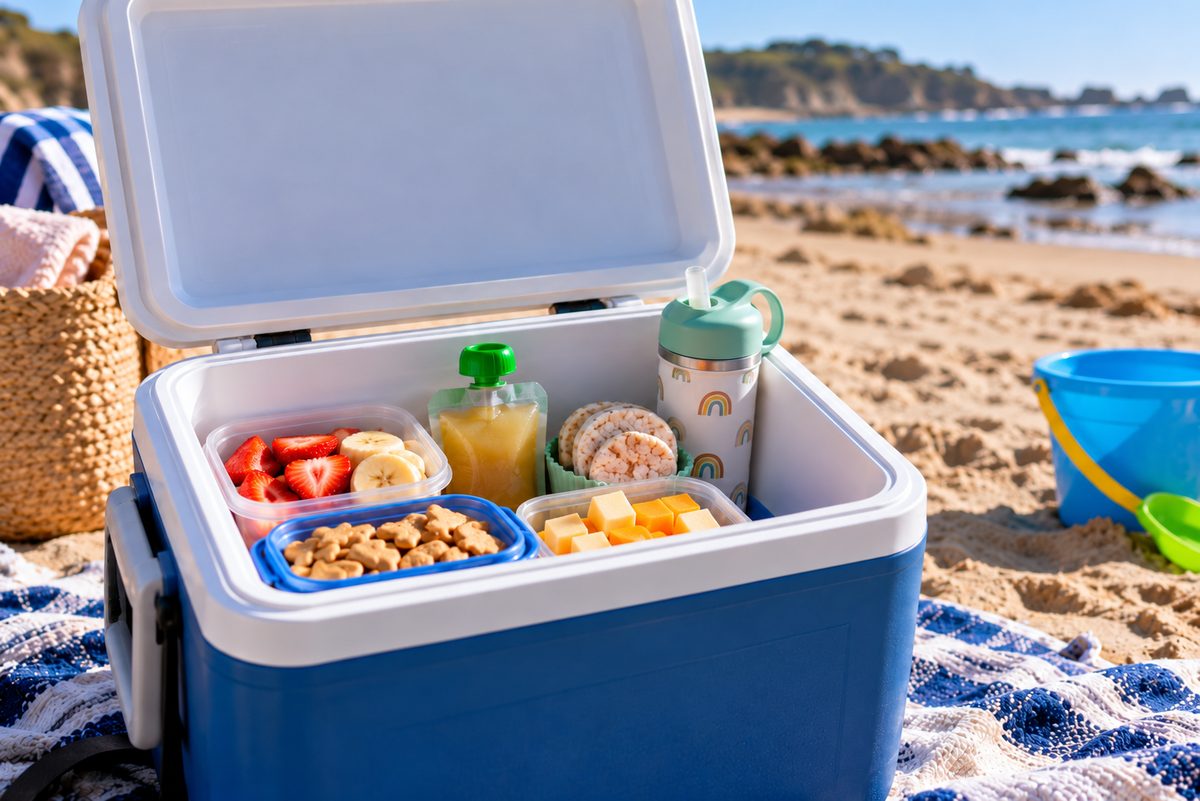
Start with small, sturdy portions in containers you can open with one hand. A toddler who normally loves a snack may reject it once it feels gritty or damp, so smaller servings help. Offer a little, close the container, then refill if needed.
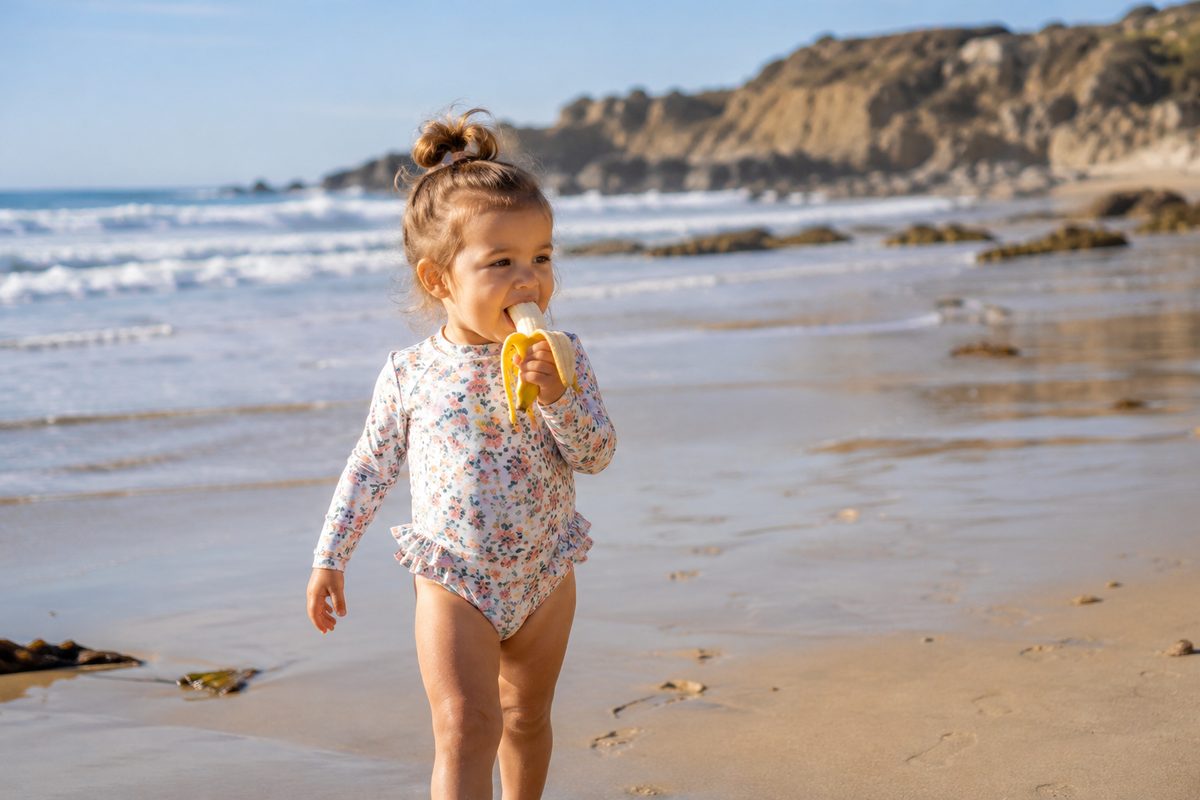
Soft fruit can work beautifully when it is packed in a lidded container rather than handed over loose. Banana slices, peeled mandarin segments, soft berries cut to your child’s ability and ripe pear pieces can give quick energy without requiring much chewing effort. For younger toddlers, follow age-appropriate cutting guidance and avoid round, firm pieces that may pose a choking risk. The CDC’s choking hazard guidance notes that uncut grapes, large chunks of cheese, hard raw vegetables and whole nuts can be unsafe for young children.
Crackers can be useful, but choose ones that do not shatter when touched. Think sturdy rounds, thicker rectangles or small sandwich-style crackers over thin crisps that break into flakes. If your child likes dry cereal, portion it into a small container rather than a large bag that invites handfuls, spills and wind-blown pieces.
Snack bars can also work well when they are soft but not sticky. Look for bars that hold their shape, break cleanly and do not leave a sugary film on fingers. A bar that needs to be peeled from its wrapper in gooey strips is not a tide pool friend.
Cold protein snacks can help when the outing overlaps with a meal window. Cheese cubes, yogurt tubes, turkey roll-ups or other perishable foods need to stay cold until serving. The FDA recommends packing cold foods in a cooler with ice or frozen gel packs when eating outdoors, and the USDA advises discarding perishable foods left at room temperature for more than 2 hours, or 1 hour when temperatures are above 90°F.
Pouches can be handy for certain ages because they limit dropped pieces and sand contact. They are not magic, though. A pouch can still get squeezed onto clothes, rocks or the inside of a bag. Pack them for children who already manage them well, and keep a wipe ready.
Easy Pre- And Post-Exploration Snack Ideas
The timing of a snack matters almost as much as the snack itself. At White Point Beach, many families are working around a tide window, a drive, parking, shoes, sunscreen and the child’s energy level. If you wait until your toddler is fully hungry, you may spend the best part of the outing managing tears instead of noticing tide pools.
A pre-exploration snack works best when your child needs something before the rocks, but you do not want to slow down the outing. This is a good moment for a banana, a small bar, a few crackers with cheese or a familiar pouch. Serve it before the trickiest part of the walk begins.
Keep this snack boring in the best way.
You’re not trying to create excitement. You’re trying to settle the body, prevent a blood-sugar crash and make the transition from car to coast smoother. For grandparents leading the outing, this is often the easiest snack to manage because it can happen near the car, stroller or starting area before everyone is spread out.
A mid-outing snack should be even simpler. This is your reset snack, not a picnic. Choose something that can be eaten during a short seated break away from wet rocks: a small container of fruit, a few crackers, a cheese stick kept cold or a soft granola-style bar that does not crumble everywhere.
Some toddlers eat less when they are overstimulated. They may stare at the water, refuse a favorite food, then melt down ten minutes later because they were hungry after all. In that case, offer a tiny portion without pressure and keep the backup available.
A post-exploration bridge snack has a different job. It helps your child leave the beach and make it to lunch, nap or the next stop. If you’re using a two-hour White Point tide pool itinerary, this snack often fits near the end, once your toddler has explored enough but before departure becomes a battle.
Good bridge snacks are filling but not meal-sized. Think cheese and crackers, fruit with a few bites of protein, a small sandwich half or a bar with water. The goal is to prevent the “too hungry to wait” restaurant spiral without spoiling lunchtime.
Snacks to Avoid at Tide Pools
Some snacks are perfectly fine in other places and wildly inconvenient at tide pools. The problem is not whether they are “good” or “bad” foods. The problem is whether they survive wind, sand, wet hands and toddler attention.
Skip snacks that require dipping. Hummus, yogurt cups, applesauce bowls and peanut butter dips ask for a level of stability you may not have. They need a surface, a spoon or careful handling, and they can turn a quick break into a cleanup stop.
Melt-prone snacks can also backfire. Chocolate, yogurt-coated bites and soft candies may start fine, then end up smeared across fingers, clothes and containers. Once sand is added to the mix, the snack is usually over.
Very crumbly foods deserve caution, too. Thin chips, flaky crackers, muffins and dry granola can scatter quickly. A few crumbs are not a crisis, but a snack that disintegrates with every bite makes it harder to keep food clean and harder to pack up fast.
Loose handful snacks can be tricky in the wind. A large, open bag of cereal, pretzels or crackers invites spills, and toddlers often want to dig through it themselves. Pre-portioned containers give you more control and reduce the chance of losing half the snack to the beach.
Avoid anything that requires elaborate assembly. If a snack needs several containers, a spreader, a cutting board or multiple wrappers, it probably belongs at the vacation rental, not beside a tide pool.
How to Pack Snacks Without Creating More Mess
Packing makes or breaks the snack plan. The right food in the wrong container can still become annoying, while a simple snack packed well can save the outing.
Use small reusable containers with lids that seal tightly. Small containers reduce waste because you can offer one portion at a time, rather than exposing everything to sand. They also fit better in a lightweight bag, which matters if you’re already carrying water, wipes, extra clothes and a toddler who may suddenly decide walking is over.
Separate the first snack from the emergency snack. The first snack is easy to access and intended for use. The emergency snack stays tucked away for the parking lot, the drive back or the restaurant wait. This one small habit helps prevent the classic problem of eating all the snacks during the first 15 minutes and having nothing left when the real meltdown threat appears.
Pack wipes where you can reach them fast. Tide-pool hands may be wet, sandy, or salty, and toddlers are not patient while adults search through bags. The CDC recommends handwashing before eating, so if soap and water are not close by, plan your clean-hands routine before snack time starts.
Bring a small trash bag or zip bag for wrappers, peels and used wipes. Wind makes loose trash harder to control, and snacks should never make the beach cleanup problem worse. A dedicated bag also keeps sticky items away from extra clothes and clean containers.
If you bring cold foods, pack them together with a frozen gel pack and open that container only when needed. Do not let cheese, meat, yogurt or other perishable snacks float loose in a warm tote while everyone explores. Keep the cold food cold, serve a small amount, then close it again.
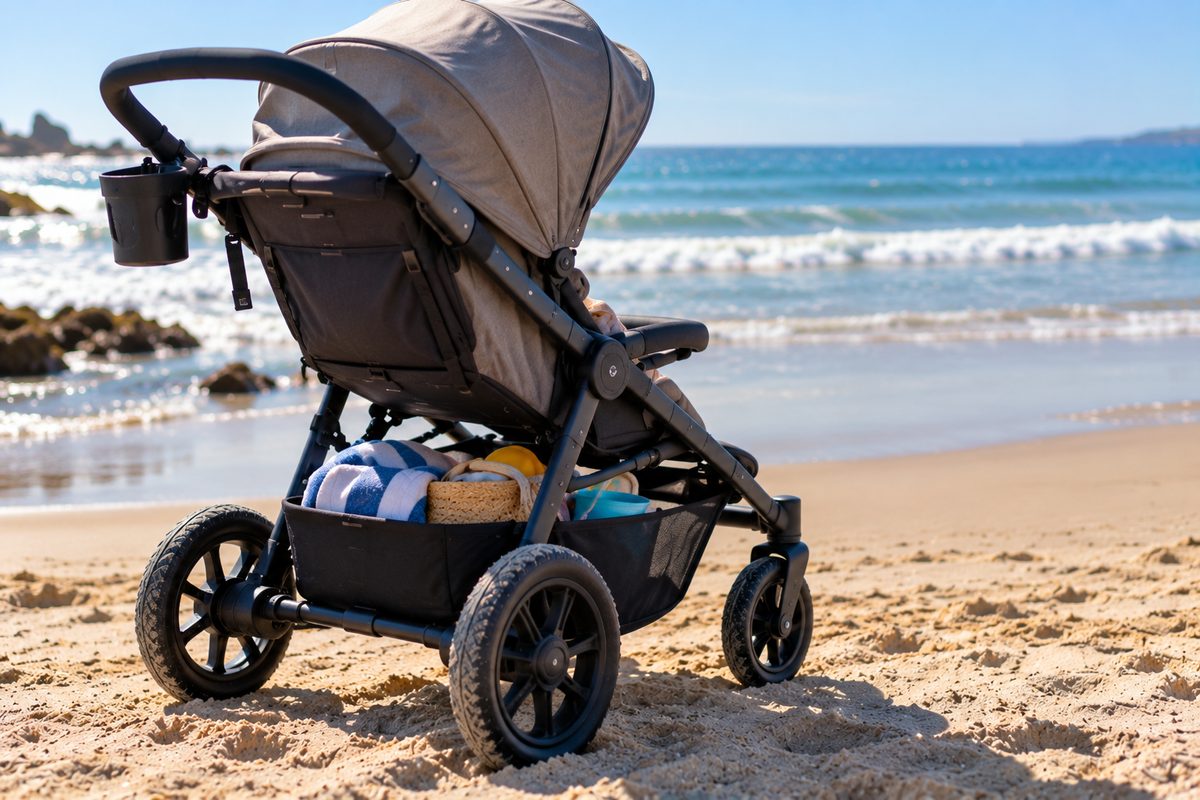
BabyQuip can help traveling families make room for these practical items for outings. When your crib, stroller, high chair, car seat or toys are arranged through BabyQuip, you can save luggage and car space for the essentials for local adventures, including snacks, wipes, water and backup clothes.
If grandparents are joining, the same idea can apply to the walk in and out. Families can rent mobility gear through BabyQuip, including clean, safety-checked wheelchairs or walking aids, so the trip between parking, snack breaks and the car feels comfortable at their own pace.
How to Time Snacks Around a Short Tide Pool Visit
Toddler snack timing is not about perfection. It is about staying ahead of the point where hunger becomes the loudest part of the outing.
If the low tide is in the morning, offer breakfast before leaving and keep the first snack ready for arrival. Some toddlers do not eat well when rushed, and a few bites before exploring can make a big difference. If your child barely touched breakfast, do not wait until the midpoint of the outing to offer food.
If low tide falls close to lunch, plan a bridge snack. This is especially helpful if you’re heading to a restaurant afterward. A lightly hungry toddler can wait for a table, look at a menu or sit through ordering. A toddler who is past hungry may not be able to do any of those things.
If low tide is later in the day, think in terms of energy rather than the clock. Late afternoon can work for flexible families, but toddlers may arrive tired from the rest of the day. A small snack before you leave the car can help, but it will not fix an overtired child who needs a shorter visit.
Watch for early hunger signs. Slower walking, clinginess, sudden frustration, repeated requests to be carried, and refusal to follow simple directions can all appear before a toddler says they are hungry. A snack break at that stage often works better than waiting for tears.
Keep the main exploration window focused. If your child is happily noticing shells, water and movement, you do not need to interrupt with food. But if the energy starts to wobble, move to a safer spot and reset. A five-minute snack break can give you one more calm look before leaving.
Hydration Pairings That Actually Work Outdoors
Water should be part of every snack plan, not an afterthought. Salt air, walking, sun and toddler excitement can make kids thirsty even on a short outing. The American Academy of Pediatrics notes through HealthyChildren.org that plain water is one of the best drink choices for young children, with daily amounts varying by age.
For a short tide pool visit, bring a toddler’s water bottle and extra water for adults. If your child rarely drinks much during outings, offer small sips at transitions: before leaving the car, before exploring, during the snack break and before the ride home.
Pair drier snacks with water. Crackers, bars and cereal are convenient, but they can make toddlers thirsty fast. Fruit can help because it provides moisture and energy, but it should not replace a water bottle.
Skip drinks that create more stickiness unless you already know they work for your child. Juice boxes and flavored drinks can spill, attract sand and leave hands tacky. If you bring one for a specific reason, keep it as a backup rather than the default drink.
A good rhythm is simple: food, sip, wipe, close the container and move on.
Toddler-Specific Snack Realities to Plan Around
Toddlers do not eat the same way outdoors as they do at home. Some eat nonstop because fresh air makes them hungry. Some barely eat because every rock, puddle and shell feels more interesting. Both patterns can happen in the same child on different days.
Familiar foods help. A tide pool trip is not the best moment to test a brand-new snack texture, especially if your child is cautious, tired or sensitive to mess. Pack at least one snack you know they usually accept.
Texture matters too. A toddler with sandy hands may suddenly reject a food they normally love. That does not mean the snack was wrong. It may mean the serving method needs to change. Offer it from a container, hand over one piece at a time or move farther from the sand before trying again.
Younger toddlers may do better with seated breaks. Even if the snack is one-handed, walking and eating near uneven surfaces is not worth the tradeoff. Find a stable place away from the slippery area, pause for a few minutes and let the snack do its job.
Older toddlers may want control. Give small choices that do not open the door to chaos: “Do you want crackers or fruit?” works better than showing the whole snack bag. Too many options can slow the outing down and turn a reset into a negotiation.
Tide Pool Snack Ideas by Outing Moment
A useful snack plan usually includes three layers: before, during and after. You may not use all of them, but having each one assigned a job keeps you from overpacking random food.
Before exploring, choose a quick starter:
- Banana pieces in a container
- A small snack bar that holds its shape
- Crackers with a few cheese cubes kept cold
- A pouch that your child already handles well
- Dry cereal in a small cup or container
During exploring, choose a calm reset:
- Soft fruit packed in a lidded container
- Sturdy crackers
- Cheese stick or cheese cubes from a cold pack
- Small sandwich strips
- A few pretzels for older toddlers who can manage them safely
After exploring, choose a bridge snack:
- Half a sandwich with water
- Fruit plus a protein bite
- Crackers with cheese
- Bar plus water
- A familiar pouch kept for the car or stroller
These are categories, not rules. The best snack is the one your toddler will eat, you can serve cleanly, and you can pack away without turning your bag into a crumb collection.
How Much Food to Bring Without Overpacking
It is easy to overpack for toddler outings because hunger feels unpredictable. But too many snacks can make the bag heavier, the choices harder, and the cleanup worse.
For a short White Point Beach visit, plan one snack you expect to use and one backup snack you hope not to use. Add water, wipes and a small trash bag. If your outing overlaps with a normal meal time, bring a more filling bridge snack or plan lunch soon after.
Consider who is leading the outing. Grandparents may prefer fewer containers and simple choices. One adult with more than one child may need snacks that can be served fast and evenly. A family with a toddler and older sibling may need different textures or portion sizes, but the same rule still applies: pack what you can manage while standing outside.
Also, think about the ride home. Many toddlers hold it together through the fun part, then unravel during the transition back to the car. Saving one familiar snack for that moment can be the difference between a calm departure and a parking lot struggle.
FAQs About Tide Pool Snacks
What Snacks Are Best for a Toddler Tide Pool Trip?
The best snacks are sturdy, familiar and easy to serve in small portions. Soft fruit in a lidded container, sturdy crackers, low-mess snack bars, cheese packed cold and toddler-friendly pouches can all work well when they match your child’s age and eating skills.
Choose snacks that do not need dipping, spreading or much cleanup. Tide-pool snacks should make the outing easier, not turn a short break into a full meal.
What Snacks Do Not Get Ruined by Sand Easily?
Snacks protected by containers hold up best. Crackers in a small cup, fruit in a sealed container, bars kept in wrappers until serving and cheese stored cold are easier to manage than loose finger foods in an open bag.
The serving method matters as much as the food. Offer a little at a time, close the container between servings and move away from the sandiest spot before your child starts eating.
Should I Bring a Full Lunch or Just Snacks?
For most short tide pool visits, snacks are easier than a full lunch. A full meal usually needs more gear, more cleanup, and a longer seated break than toddlers can handle near the rocks.
If your visit lands near lunchtime, pack a bridge snack and plan a simple meal afterward. That keeps the tide pool portion focused while still helping your child stay regulated until lunch.
What Should I Avoid Packing for the Beach or Tide Pools?
Avoid messy dips, melt-prone treats, very crumbly foods, sticky snacks and anything that needs elaborate setup. Also, avoid age-inappropriate choking hazards, including hard, round foods or large pieces that your child cannot chew safely.
The best test is simple: could you serve it with one hand, close it quickly and clean up with one wipe? If not, save it for later.
How Much Water Should I Bring for a Short Outing?
Bring a filled toddler water bottle and extra water for the adults. For a short outing, small sips at transitions usually work better than waiting for your child to ask for a drink.
Weather, activity level, age and what your child already drank that day all affect how much water they need. When in doubt, bring more water than you think you’ll use, especially if you’re adding lunch, a playground, or a longer walk back to the car.
What If My Toddler Refuses to Eat Outside?
Keep the pressure low. Some toddlers eat less outside because they are excited, distracted or unsure about sandy hands. Offer a familiar snack, give a small portion and try again during a calmer transition.
If your child refuses food during the best exploring window, save the snack for the walk back or the car. A tide pool outing can still go well even if eating happens before or after the rocks, rather than right in the middle.
Keep the Snack Plan Simple So the Outing Can Stay Fun
The best snack plan for White Point Beach is not fancy. It is practical, familiar and built around real toddler behavior. Pack food that survives sand and wind, serve it away from slippery rocks and save one backup snack for the moment when everyone is almost done but not quite ready for lunch, the car or nap.
When snacks are easy, the outing has more room for what you came to do: watch your child notice tiny movements in the water, crouch beside shallow pools and feel proud of a real coastal adventure. With the right tide pool snacks, a short visit can stay calm, flexible and fun.