

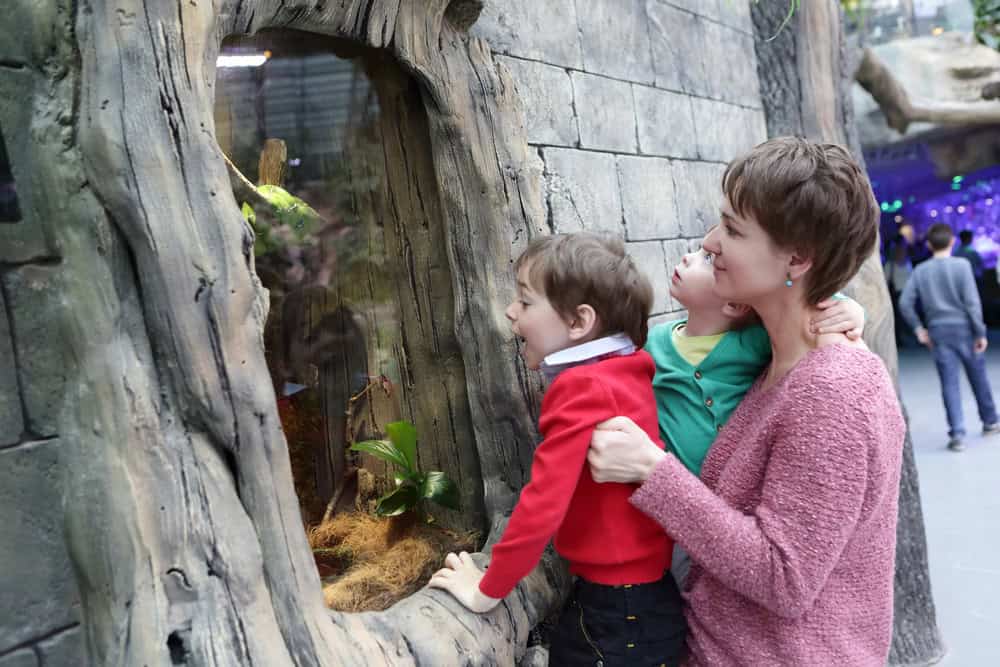
Los Angeles with Toddlers can feel like a choose-your-own-adventure where every page includes a snack, a stroller, and a bathroom. Museums still fit the story, as long as we plan for calm, short visits with easy exits and built-in breaks. This guide is built for the 1–3 crowd and for grandparents who want an easy win without a stair marathon.
A toddler museum win looks humble on paper and magical in real life: 60–120 minutes, one “wow” moment and a calm goodbye. Aim for that, and you stop chasing the whole building. Instead, you design one great loop, then you leave while everyone still likes museums.
Los Angeles With Toddlers: Pick your museum in 30 seconds
Start with your day, not the museum name. Two questions narrow the field fast: do you need hands-on movement more than looking, and can you handle crowds today without your kid tipping into “too much”? Use the decision tree, commit to one branch, and the whole outing gets steadier because your pacing stops wobbling.
- Want hands-on + indoor + a fast win → start with children’s museums: Cayton, Kidspace, Noah’s Ark
- Want dinosaurs or space, and you can accept busier halls → choose Exposition Park, then do only one big museum per day
- Want stroller-friendly visual immersion with smooth pacing → choose an aquarium-style outing in the LA area
Nap got skipped? Pick the children’s museum branch even if your kid “loves dinosaurs.” A rested brain loves dinosaurs. A tired brain loves leaving.
The Museums Without Meltdowns method
Meltdowns are not a moral failure. They’re feedback from a tiny nervous system that got hungry, tired or overloaded, so planning around those levers produces a calmer visit and a kinder exit. Think of each choice as a regulation choice: you’re not planning culture, you’re planning a nervous system-friendly afternoon.
The Toddler Museum Triangle
Picture a triangle with Hunger, Sleep, and Sensory load at its corners. When one corner drifts, meltdown risk climbs. When two corners drift, the museum stops being a museum and becomes a loud hallway with traps, so your job is to protect all three corners at once, even when traffic, lines and gift shops try to push the triangle over.
Los Angeles With Toddlers: The 90-minute default
Ninety minutes is long enough to get a “wow” moment and short enough to leave before stamina collapses. With timed-entry venues, it also aligns with the ticket structure, so you never have to negotiate “one more room” when your child is fading. When nap got skipped, cap the visit at 60–90 minutes, and when the entry line stretches past about 15 minutes, pivot to an outdoor reset or switch galleries.
Time it right
Aim for opening, or right after, a snack and a restful moment. The overlap of hunger and overstimulation creates rapid spirals, and museums are very good at stacking stimulation. Do a bathroom stop, a water sip and a snack check before the first gallery, because that tiny ritual calms you too, and toddlers mirror your pace.
Build resets before you need them
Toddlers do better when breaks are scheduled rather than begged for. Pick a bench, a quieter corner or a garden space and use it early, then do one sensory downshift at the midpoint, even if your kid looks fine. Your reset can last up to 2 minutes. The point is the downshift, not the duration.
Leave on a high note
Your best leverage is the exit. When you get the wow moment, take the photo, name what you saw and go. Trying to squeeze in one more thing creates the classic “we stayed too long” ending, and even a great gift shop helps only when your child is regulated.
A toddler-first museum scorecard you can use on the fly
This scorecard turns “Which museum?” into “Which day are we having?” It also helps grandparents decide quickly without scrolling through a dozen reviews. Rate each venue on five toddler variables and read them like the weather, then plan your visit length based on what you see at the door.
- Hands-on ratio: touch and do beats “look only” when attention is short
- Stroller flow: wide paths, elevators and loops that avoid dead ends
- Noise and crowd risk: echo plus crowds raise sensory load fast
- Easy exit plus outdoor reset: a quick step-out option for a two-minute calm-down
- Best toddler age window: where the exhibits match 1–2 pace or 2–3 pace
If two variables look hard for your kid today, shorten the visit on purpose or switch venues. Stroller flow carries extra weight, and if you flew in without one, renting can fix the day. With BabyQuip, we’re a convenient option because we deliver a clean stroller to your hotel, so you can walk into the museum ready to move.
Exposition Park has big museums that still work with toddlers
Exposition Park rewards restraint. Choose one building, do one loop and leave while you’re still winning. Save your second attraction for another day, even if it’s “right there,” because stacking big buildings turns a calm outing into a late-afternoon crash.
Natural History Museum of Los Angeles County
NHM works when you want a big wow with dinosaurs or gems, and when you treat the building like a curated loop rather than a conquest.
NHM notes that exhibits are accessible to wheelchairs and strollers, except for the Butterfly and Spider Pavilion, where strollers are not permitted. The museum also lists Family Care Lounges on Level 1 near the Welcome Center and on Level 2 in the Bird Hall, plus free sensory kits you can borrow.
Build your NHM loop around one anchor hall, one reset and one optional bonus. Three wins beat ten rushed rooms, and the calm exit is part of the plan, not the reward you hope you earn.
What actually works here
- Choose your first hall before you enter, then walk there with purpose
- Use a Family Care Lounge as a scheduled midpoint reset, not a rescue mission
- If your kid loves buttons, borrow a sensory kit early and keep the fidget in your pocket
- Leave after the best dinosaur moment, even if you’ve only seen three exhibits
We also have supporting reads called “The Best Los Angeles Natural History Museum Exhibits for Kids Under 3,” “Los Angeles Natural History Museum Stroller Rules and Entry Tips” and “Toddler-Friendly Lunch Spots Near the LA Natural History Museum.”
California Science Center
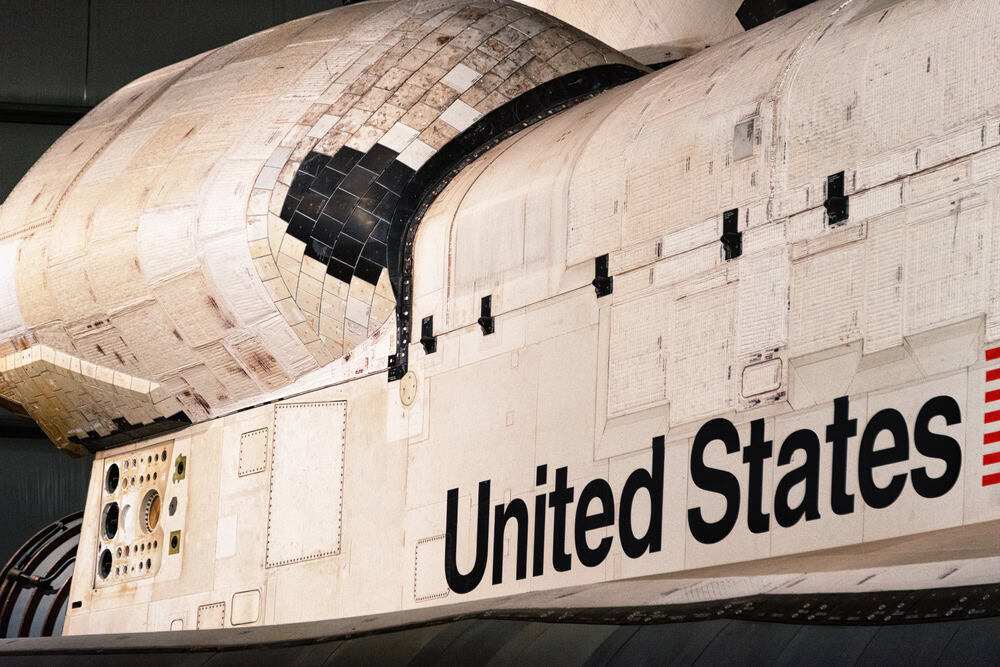
Treat the Science Center like a choose-one gallery outing. The win comes from hands-on moments and a short loop that ends before your child starts chasing stimulation. On the official ticket page, the Science Center says core exhibit galleries are always FREE. While reservations are not typically required for general admission, it’s recommended to check the Science Center’s website before your visit for current ticketing policies. Tickets are still required for IMAX and special exhibits.
Space Shuttle Endeavour has been out of public view since December 31, 2023. It is being prepared for display in the new Samuel Oschin Air and Space Center, whose opening date has not yet been announced. Check the Science Center’s website for the latest opening date announcements, as Endeavour will not be visible to visitors until the new facility opens.
What actually works here
- Pick one interactive zone and one calm zone, then treat the second as optional
- Use your snack reset before you “need” it, then re-enter like it’s a fresh visit
- When hands start grabbing railings and strangers, you’re past your toddler’s limit
- Exit, get fresh air and call it a win
Toddler energy museums built for short wins
These venues do not fight toddler behavior. They reward climbing, pretend play and short cycles of attention, so you spend less time enforcing rules and more time enjoying the moment. When your child needs to move, choose a place where movement is the goal, not the problem.
Kidspace Children’s Museum in Pasadena
Kidspace is the move when your toddler needs to burn energy, not whisper. The museum highlights 40+ hands-on exhibits across indoor and outdoor areas, which makes regulating easier than in a quiet gallery. Start with movement, then let any indoor “learning” be a bonus, and transitions stop feeling like a tug-of-war.
What actually works here
- Start outside if the weather cooperates, then go inside once your child has moved
- Use water play as a reset tool, then towel off and decide whether you’re done
- Grandparents do best with a bench plan, so pick your sitting spots early
Cayton Children’s Museum in Santa Monica
Cayton is a contained play space that makes “done at 90 minutes” feel natural. Their site describes 21,000 square feet of discovery-based exhibits, including a real helicopter and a miniature marketplace, which makes it easy to build one coherent loop. Predictable layout equals calmer adults, and calmer adults equals calmer toddlers.
What actually works here
- Pick two exhibit zones and let your child cycle between them
- Use a snack break as your transition tool when it’s time to switch areas
- If your toddler gets possessive with toys, keep the loop moving and avoid standstills
Noah’s Ark at the Skirball Cultural Center
Noah’s Ark is timed entry done right for toddlers. It’s described as an eight-thousand-square-foot wooden ark filled with whimsical animals and pretend play cues, which makes the experience immersive without demanding long walks. Skirball’s ticket page says Noah’s Ark tickets are timed entry and provide visitors with ninety minutes aboard Noah’s Ark, so the boundary is baked into the day.
What actually works here
- Narrate what your child notices, then let them lead the next choice
- Use timed entry as your “We’ll come back another day” script
- When you have ten minutes left, start your goodbye ritual so the exit stays calm
Outdoor, short and strangely perfect for toddlers
Some days, your kid needs sunlight more than another indoor room. On those days, pick an outing where the outside is part of the attraction and let the building be optional. You’ll still get wonder, and you’ll get it with oxygen.
La Brea Tar Pits and Museum
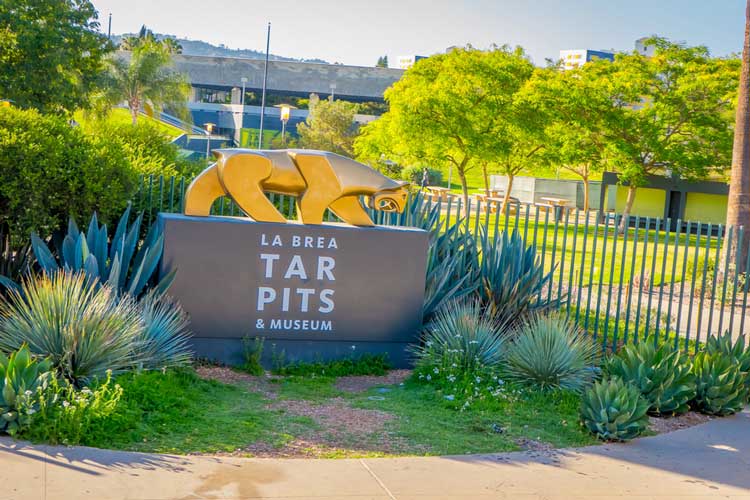
La Brea works when you want a big impact without a long indoor stretch. Their plan page lists hours as Monday-Sunday, 9:30 AM-5:00 PM, and notes they’re closed onthe first Tuesday of every month except January. Children 2 and under are free, which makes it easier to keep the visit short without feeling like you wasted a ticket.
Use the outdoor paths as your reset, then decide whether the museum building is a bonus or a pass based on your child’s sensory state, hunger clock and stroller mood.
A non-museum museum day trip that behaves like a toddler outing
When you want visual wonder with smooth stroller pacing, an aquarium behaves like a slow-moving storybook. The trick is choosing a route so you can step out, breathe and keep going, while your child gets a steady stream of point-and-name moments.
Aquarium of the Pacific in Long Beach
The Aquarium’s FAQ says we do not have strollers for use, but you’re welcome to bring your own, and on busy days, there are stroller parking areas. The same page notes baby backpacks you can borrow at the information desk with a credit card, which can rescue your arms when a toddler goes limp.
Time it around snacks, and the day stays mellow. If your child is in a phase where loud echoes trigger tears, aquarium lighting and pacing can feel gentler than a bright, booming museum hall.
The practical centerpiece: schedules that prevent meltdowns
A great museum day has rhythm. Walk in with rhythm, and you stop negotiating every next step, which saves your energy for the moments that matter. Your toddler also reads the confidence in your pacing and settles into it.
The 2-hour museum template
This works at NHM, Cayton, Kidspace and almost anywhere with doors, and you can shorten the whole thing by cutting the last block.
- 0:00–0:15 arrive, bathroom, stroller check, then pick your first loop
- 0:15–0:45 the wow gallery, where you lean in and narrate what your child notices
- 0:45–1:00 snack and water reset, sitting down if you can
- 1:00–1:30 hands-on or interactive zone, then watch for early fatigue signals
- 1:30–2:00 gift shop optional, then exit on a high note
One tiny tweak changes everything: decide your exit door before you begin. When you know your path out, you leave calmly instead of wandering through temptation while your child melts down in slow motion.
Grandparent mode
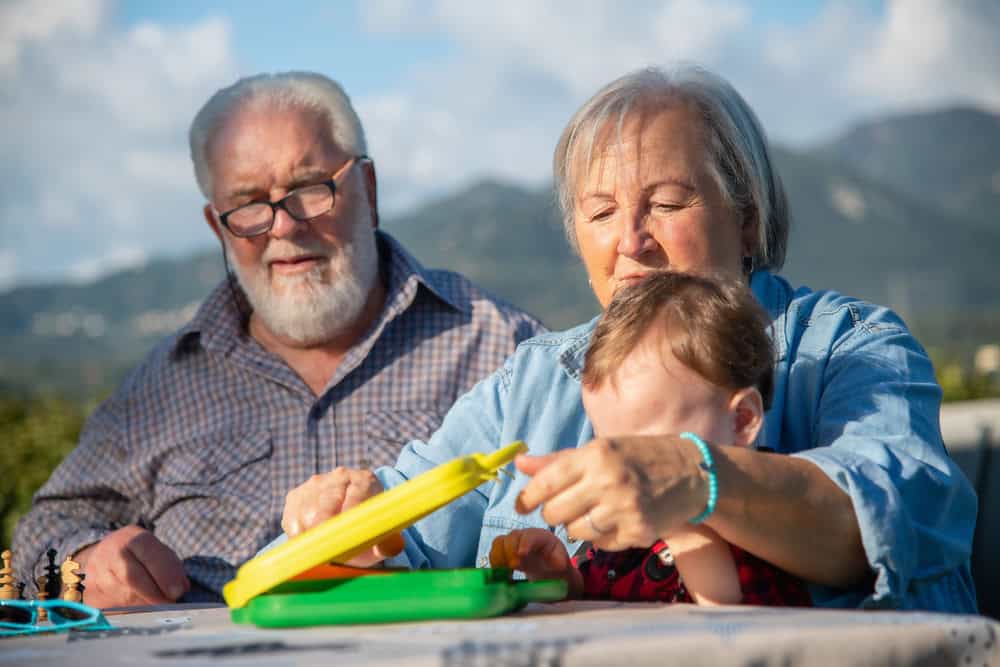
Grandparent trips work when you remove friction and build in time to sit. Timed entry and contained layouts help, so Noah’s Ark and Cayton often feel easier than sprawling halls. Prioritize elevators and benches, avoid the most echo-y rooms, keep a lighter bag and use the stroller as your gear cart so your shoulders last the whole day.
One main outing per day
A single solid outing a day protects naps and bedtime. In Los Angeles, traffic and walking add invisible fatigue, so a “two big attractions” plan backfires, and the second stop becomes a meltdown magnet. Build the day around one museum, one nearby meal, and a simple decompression back at your hotel, and your child wakes up ready to do it again tomorrow.
We also have supporting reads, such as “A 3-Day Los Angeles Itinerary With One Main Outing Per Day” and “Best Family-Friendly Hotels in Los Angeles,” to help you protect bedtime without feeling like you’re missing anything.
Gear and logistics that actually change the day
One piece of gear can erase an entire category of stress, and the right setup makes museum pacing feel smooth rather than frantic. Pack light, carry snacks and give yourself the kind of mobility that lets you pivot when a line appears, or a toddler suddenly needs a reset.
- A compact travel stroller that turns tightly and folds fast, or rent one when flying
- Spill-proof snack container and a water bottle that you can reach with one hand
- Wipes, sunscreen and a backup outfit
- Toddler headphones for noise-sensitive kids, plus the free sensory kit option at NHM
- A tiny comfort object that fits in a pocket and can ride in your hand on the way out
Flying makes bulky gear miserable. Renting a stroller, travel crib or car seat at your destination will lighten your airport load and keep your hands free for your kid. With BabyQuip, we’re a convenient option for that rental problem because you can reserve gear ahead of time and have it delivered to where you’re staying, which means naps, rides and museum loops all run smoother from day one.
If you’re leaning on rideshares, a car seat plan prevents the “Now what?” moment at the curb. Renting at your destination can solve it cleanly, and with BabyQuip, we’re a convenient option for delivered car seat rentals so you can arrive ready to move through LA without hauling bulky gear through the terminal.
FAQ
How long should you plan for a museum with a toddler?
Plan for 60–120 minutes and treat 90 minutes as your default. That window produces one strong wow moment without pushing into fatigue, and it gives you margin for bathroom stops and snack resets. When nap got skipped, aim for 60–90 minutes and leave while your child still feels good.
Are strollers allowed in LA museums?
Many venues allow strollers, but each museum has exceptions. NHM restricts strollers inside the Butterfly and Spider Pavilion, so checking the museum’s accessibility page before you arrive will save a stressful surprise at the door. If you flew without a stroller, renting one can make a hard day go smoothly, and with BabyQuip, we’re a convenient option because we deliver strollers to where you’re staying.
What time should we go to avoid crowds with toddlers?
Opening is your friend because lines are shorter and galleries feel quieter. A right-after-nap start also works when your toddler is well-fed and regulated. When the entry line stretches past about 15 minutes, pivot to an outdoor reset or switch to a different gallery before your child tips into overload.
What’s the best museum in Los Angeles for a 2-year-old?
The best choice is the one that matches your kid’s body needs that day. When you need movement and outdoor play, Kidspace wins because the whole environment supports climbing and exploring. When you want contained indoor discovery with an easy exit, Cayton is a clean choice.
What if my toddler melts down, do we push through or leave?
Leave. A meltdown is your data point that hunger, sleep or sensory load drifted, and pushing through will stack more stress on a tired system. A calm exit protects the next outing and teaches your child that you listen to their limits.
Are timed tickets worth it with toddlers?
Timed tickets create a built-in boundary that removes the need for negotiation. Noah’s Ark at the Skirball runs on a ninety-minute timed entry, which makes it easier to leave while your child is still happy. That one guardrail can be the difference between “magical moment” and “never again.”
Los Angeles with Toddlers does not reward doing more. It rewards doing less with intention. Pick one museum that fits your child’s energy, protect hunger, sleep and sensory load and leave right after the best moment. When the right gear is waiting for you, and when, with BabyQuip, we’re your convenient option for renting the bulky items you didn’t want to pack, the day ends with a calm exit you’ll actually remember.