

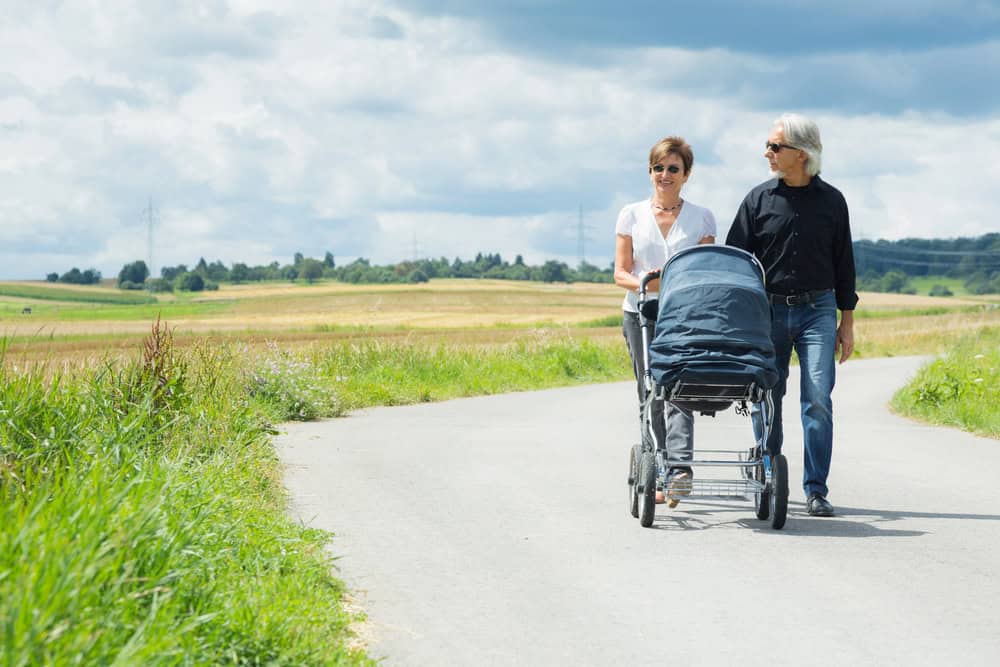
When you plan multigenerational vacations with infants and toddlers in the mix, the trip stops being about doing more and starts being about reducing friction. That shift looks small on paper, yet once you arrive, it decides whether you spend the week enjoying each other or managing spirals.
Parents are protecting naps, feeding rhythms and overstimulation, while grandparents are protecting mobility, stamina and quiet time. If the plan assumes everyone can move at the same speed, tension builds fast. A low-stress trip works because the schedule makes room for different bodies and different needs, without turning every hour into a negotiation.
Low-stress multigenerational vacations are planned around shared comfort, simple logistics, flexible pacing and realistic daily rhythms for both young children and older adults. Togetherness still happens, yet it happens with options: join, peel off, recharge, then rejoin without guilt.
What makes multigenerational vacations low stress
Less stress comes from margin, and margin comes from three levers: time, space and decision load. When those levers are built into the trip, toddlers stay regulated longer and grandparents stay comfortable longer, and that combo keeps the whole family more connected.
Time margin means the day has fewer tight turnarounds. You plan one main outing, then protect the rest of the day for meals, naps, slower movement and unplanned moments that turn into the best stories.
Space margin means the home base supports different needs at the same time. A toddler can sleep behind a door while grandparents talk in another room, and parents can reset without sitting in the dark whispering at 7:15 p.m.
Decision margin means you are not reinventing the day every morning. When meals, transportation and a basic rhythm are pre-decided, you stop burning mental energy on tiny choices and you save that energy for being present.
A simple gut check keeps you honest. If the plan requires rushing a child’s sleep or rushing an older adult’s body, stress will spike. If the plan protects sleep and pacing, calm will follow.
How many activities should you plan each day with toddlers and grandparents
One anchor activity per day will keep the trip enjoyable. An “anchor” can be a beach morning, a zoo visit, a short sightseeing loop or a children’s museum, and it is the one thing you want everyone to feel good about doing together.
Once the anchor is set, everything else becomes optional and proximity-based. Optional means nobody feels dragged. Proximity-based means you can pivot quickly when a nap runs long or someone’s knees start protesting.
A one-anchor rhythm for multigenerational vacations
Start by picking a morning window for your anchor, then let the afternoon soften. Morning energy is higher for many toddlers and many older adults, and heat, crowds and crankiness tend to build as the day goes on.
After the outing, return to the home base for lunch and recovery. Toddlers who get daytime sleep stay more emotionally steady, and the American Academy of Pediatrics describes how sleep supports learning, attention and behavior in young kids through consistent routines like nap and bedtime timing (healthy sleep habits).
Later in the afternoon, run a low-stakes “bonus” plan that can be skipped without consequences. Think playground, pool time, a short stroll or a calm craft at the rental, not another reservation that traps you.
Evenings go best when dinner stays easy and flexible. If a toddler melts down after a long day, you want dinner to be a sandwich plan, not a two-hour table plan.
Where should families stay on multigenerational vacations
The best destination is the one you can operate smoothly with a toddler schedule and grandparent comfort. The specific city matters less than how the daily logistics feel once you are there.
Short transfer times create instant stress relief. A long travel day increases the chance of missed naps, missed meals and overtired bedtimes, and that combination can derail day one. If you can choose fewer connections or a shorter drive, the whole trip starts on calmer footing.
Easy errands keep the trip from turning into a scavenger hunt. When groceries, a pharmacy and a few reliable meals sit within ten minutes, you avoid the spiral of “we are stuck without the thing we need.”
Stroller-friendly and mobility-friendly paths matter more than scenic complexity. A place with smooth sidewalks, shade and benches will feel more relaxing than a place where every outing means stairs, sand or long uphill walks.
Ask yourself one blunt question: can we change plans quickly without losing the day? When the answer is yes, you get freedom, not just convenience.
What lodging features reduce stress for toddlers and grandparents
Lodging sets the emotional temperature of the trip. A comfortable home base turns “we have to go back” into “we get to go back,” and that attitude keeps everyone steadier.
Separate sleep zones are a game changer. When a toddler can nap behind a door, adults stop tiptoeing through a dark room, and if the layout includes a living area that is not a bedroom, adult evenings can still exist.
Two bathrooms reduce daily bottlenecks. One bathroom can work, yet it creates friction that repeats every morning and drains patience by day three.
A quiet corner matters too. Grandparents may need lower noise and fewer sensory inputs, and toddlers reset faster when the environment is calmer and less crowded.
Accessibility belongs in the comfort category. If a property has many stairs or long hallway walks, fatigue builds, and the National Institute on Aging ties strength, balance and fall prevention to safer aging in daily life and unfamiliar spaces (preventing falls).
Kitchen access, even a small one, keeps meals simpler. When breakfast is easy at home, you start the day without a restaurant scramble and you keep nap timing intact.
What should parents pack versus rent for a calmer trip

Packing for a toddler can feel like trying to bring your entire house in a suitcase. You do not need to win that game. You need the right items to support sleep, feeding and safety, and then you need a plan for the bulky gear that makes travel harder.
Pack what cannot be replaced easily. Comfort items, medications and your child’s most familiar sleep cues create stability during a change-heavy week.
Bring essentials that match your routine. If your child relies on a specific cup or feeding setup, pack those small pieces so you are not improvising at every meal.
Skip bulky, temporary-use items when you can. Many families rent baby gear, beach gear or pet gear from BabyQuip at their destination, which reduces luggage, reduces car loading and makes transfers easier. Same-day delivery of rentals is available in many destinations, which helps when plans change or when you realize on arrival that one key item stayed on the kitchen counter.
The same approach can help grandparents travel lighter, too. In select markets, BabyQuip Quality Providers rent clean, safety-checked scooters, wheelchairs, walking aids and other mobility gear with delivery to hotels, vacation rentals, residences or airports. Check availability here: https://www.babyquip.com/mobility-rentals. Same day delivery may also be available.
If you travel by air, learn the rules before you pack. The TSA explains how formula, breast milk and toddler drinks can be screened and carried in reasonable quantities (formula and breast milk).
How do you avoid burnout on a family trip with kids and grandparents
Burnout arrives when everyone keeps “pushing through” small discomforts until they stack. You prevent burnout by planning recovery into the schedule and by normalizing separation without drama.
Schedule daily recovery time on purpose, then treat it as part of the plan, not a nice bonus. A toddler nap window doubles as a grandparent rest window, and it also gives parents a quiet moment to reset.
Choose walking distances you can repeat. A long walking day might be fine once. Repeat it three days in a row and the strain shows up. The CDC explains how physical activity supports healthy aging while also emphasizing safe pacing and steady routines (physical activity for older adults).
Plan snacks like you plan outings. Toddlers regulate better when blood sugar stays steadier, and adults handle stress better when meals are not delayed. A bag of familiar snacks saves more vacations than fancy itineraries.
Protect sleep with the same seriousness you protect tickets. The Sleep Foundation outlines age-based sleep needs for toddlers, including 11 to 14 hours per day for ages 1 to 2 (toddler sleep).
What are the most common stress points on multigenerational vacations
Stress points are predictable, which means you can plan around them instead of being surprised by them.
Overbooking days is the big one. When the schedule has multiple “must do” items, someone will pay the price, and that price is usually naps, patience or comfort.
Transitions get underestimated. The walk from the car to the entrance, the line for bathrooms and the time to get everyone fed all add up, and when you account for that time, your plan starts matching reality.
Tempo mismatch creates quiet resentment. Some people love early mornings. Others move slowly. When you build the day so a fast start is optional, you stop turning preferences into conflict.
Noise and sensory overload can surprise people too. Toddlers can get wild in loud environments, and grandparents can get drained by the same noise. A mid-day quiet reset solves both.
The final stress point is “missing gear.” When a stroller breaks or a sleep setup is wrong, the whole day tilts. A small backup plan, even if it is just knowing where the nearest store is, keeps the trip from turning into a scramble.
How do you design days that feel calm without feeling boring
Calm does not mean empty. Calm means the day has a clear rhythm, and everyone knows there is room to adapt when life happens.
Start each day with one shared moment that feels easy. Breakfast together at the rental, a short walk to coffee or a simple beach sunrise makes togetherness feel natural.
Treat the anchor activity as a container, not a marathon. You can leave early and still “count” the outing, and a toddler who lasts ninety minutes at the aquarium still had a great day.
Use micro-adventures in the gaps. A playground stop, feeding ducks, a quick ice cream run or a stroller loop through a nearby neighborhood can create magic without requiring a full plan.
Build a default rule that makes splitting up normal. One group can rest while another explores, then you meet again for lunch or dinner, and when this is planned from the start, nobody feels abandoned.
How do you communicate expectations so grandparents and parents both feel respected

Grandkids make life grand. two little girls going on a road trip with their grandparents
Multigenerational trips fail in the planning stage when people assume shared goals. A calm trip comes from shared expectations, not shared stamina.
Name three non-negotiables early. For many families those are naps, meals and a comfortable sleep setup. When those are protected, the rest of the plan becomes flexible.
Invite grandparents into the design of the day. Ask what makes them feel comfortable, then build around it. Comfort may mean fewer stairs, shorter walks or a quieter morning.
Give parents permission to say no without apology. When a toddler is melting down, leaving is not rude. Leaving produces a better rest of the day.
Let grandparents opt out without guilt too. Sitting out an outing is not “missing the trip.” It is one way to make the trip last longer without exhaustion.
A planning checklist you can use before you book
Start with a small set of filters, then choose the destination that passes them.
If a destination fails two or three of these filters, stress will show up later, even if the place looks beautiful in photos.
Multigenerational vacations work when you plan for comfort, recovery and togetherness instead of trying to maximize attractions. When your schedule protects toddler sleep, supports grandparent pacing and leaves room for flexibility, you stop managing crises and you start enjoying the people you came with, and that is what makes multigenerational vacations feel restorative, not draining.