

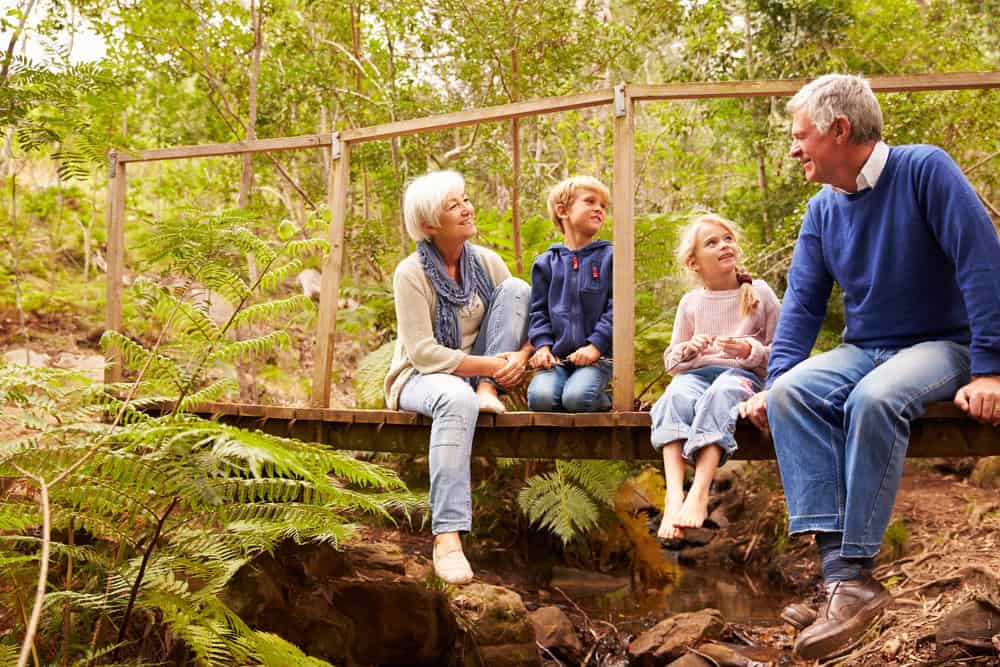
Multigenerational trips can feel like a magic trick. You want grandparents to soak up time with your little one, you want your toddler to stay regulated and you want the adults to come home feeling closer, not fried. That outcome happens when the trip gets built around comfort, routine and breathing room, not a packed itinerary.
A trip that “works” looks almost boring on paper. Toddlers sleep. Grandparents sit down often. Parents are not hauling gear, managing every mood and translating everyone’s needs all day. The surprise is that the calm setup produces the best memories because everyone has enough energy to notice them.
What makes multigenerational trips work with toddlers?
Multigenerational trips work when you plan around energy levels, then protect that plan like it is the main attraction. Four decisions control most of the stress: proximity, pace, predictability and backup plans. Nail these and the rest becomes easier to improvise.
Proximity means you shorten the distance between “we’re fine” and “we’re melting down.” Stay close to the beach, the pool, the park or the town center. Keep stroller walks short. Choose routes with quick exits. When grandparents can step out for a coffee without a 25 minute drive, everyone breathes.
Pace means one main activity a day. Not one attraction, one. Toddlers handle novelty better when their day contains long stretches of familiar rhythm. Grandparents also do better when their feet, backs and heat tolerance are respected. If your plan requires pushing through fatigue, it will produce a shorter fuse for every age.
Predictability means meals, naps, bedtime and downtime remain non-negotiable. You can flex the details, but the anchors need to show up. A toddler who eats late, skips nap and ends up in a loud restaurant at 8 p.m. will give you a preview of every “why did we do this?” moment.
Backup plans mean you build a second option for weather, energy and logistics. You will want an indoor outing, a quiet resting spot and a way to solve “we forgot the thing” problems without turning the day into a mission.
How do you choose a destination that won’t drain everyone by day two?

Pick the destination by how easy it is to live there with a toddler and an older adult, not by how many attractions live nearby. When the place supports short outings and fast resets, you can do less and enjoy it more.
Start by filtering for travel days with minimal transfers. Fewer flights, fewer car swaps and fewer check-in hurdles reduce the odds that your toddler arrives dysregulated. If you fly, consider the practical guidance from the FAA strongly urges using a child safety seat on board, then plan the airport like a slow moving scavenger hunt with snacks.
Weather matters more than families admit. Heat, humidity and sharp midday sun punish toddlers and older adults at the same time. A destination with shade, breezes and plenty of indoor breaks gives you control. If you are planning beach time, remember that drowning is the leading cause of death for young children, so choose beaches with calm water, lifeguards and easy sight lines.
Medical access is part of peace of mind. Your goal is not drama-free travel, your goal is fast solutions. A nearby urgent care, a pharmacy and a grocery store keep small problems from turning into all-day emergencies.
Look for built-in convenience. Grocery delivery, takeout, a walkable coffee shop and a simple playground create tiny wins that stack. Each win makes the adults more patient and that patience becomes the trip’s real currency.
A quick destination filter for multigenerational trips
Ask these questions before you book, then use the answers to narrow your list fast.
- an we do a stroller walk without stairs, steep hills or long crossings?
- Are there elevators where we will actually need them?
- Can grandparents find shaded seating near kid play areas?
- Can we grab simple food without a 45-minute wait?
- Is there a realistic option for midday downtime for everyone?
- How close is a pharmacy and a medical clinic?
- Can we do the best parts of this destination with one outing a day?
If you cannot answer yes to most of these, the destination will demand more adaptation than your toddler wants to give.
Where should families stay on a multigenerational trip?
Choose lodging like it is the itinerary, because it will shape every hour you are not out doing the “fun” thing. A great rental home, condo or suite turns the trip into a gentle loop of eat, play, nap and reset. A cramped space with a poor layout turns it into a marathon of negotiation.
Separate sleeping spaces change everything. Toddlers sleep earlier, wake earlier and need darkness and quiet. Grandparents may want to read, watch TV or chat after bedtime. When you can close a door between those needs, you protect everyone’s mood for the next day.
Multiple bathrooms reduce friction. You will feel this in the morning when everyone is trying to move at once, and you will feel it at night when a toddler needs a bath fast. Add laundry and a kitchen and the trip becomes less dependent on restaurant timing.
Outdoor space creates calm. A balcony, a small patio or a patch of grass gives toddlers room to move and gives grandparents a place to sit with a view. Quiet outdoor space also produces the easiest “together but not on top of each other” time.
Accessibility details deserve a hard look. Stairs, narrow hallways and deep tubs can turn into daily annoyances. Check for step-free entries, elevators and parking that does not require a long walk.
What is the best daily schedule when traveling with toddlers and grandparents?
A schedule that works feels repetitive, and that repetition is the point. Toddlers regulate through rhythm. Grandparents recharge through predictable rest. Parents stop feeling trapped when they can anticipate what comes next.
Aim for an easy breakfast, then one outing before lunch. Keep the outing short enough that you can leave while everyone still feels okay. When you return, protect nap or quiet time like it is sacred. Quiet time can mean a toddler nap, a grandparent rest and a parent reset.
After rest, plan a low stakes late afternoon option. A pool, a short beach walk, a playground or a simple stroll through town works because nobody needs to “make it worth it.” Then eat early and keep bedtime steady.
Use one clear decision rule to protect the trip. If a day requires skipping nap, rushing meals and walking long distances, it is not a toddler-friendly multigenerational plan. Change the day, not the toddler.
How do you avoid burnout when multiple generations travel together?
Burnout comes from hidden effort. Parents end up managing the toddler and managing the adults and carrying the logistics. Grandparents may want to help but they may not know what help looks like in a toddler day. Everyone starts to feel a little resentful, then tiny annoyances become big.
Start by designing less. One outing a day creates space for the best parts of togetherness, the small moments in the kitchen, the shared laughter at bath time, the grandparent who gets to read the same book three nights in a row. Those moments disappear when you chase “maximizing” the destination.
Build optionality into the plan. Grandparents should have permission to skip an activity without guilt. Parents should have permission to stay back for nap without feeling like they are missing the trip. When a toddler gets cranky, someone can peel off without the whole crew unraveling.
Rotate the load in small ways. One adult handles breakfast while another gets the toddler dressed. Someone else takes the first stroller walk. Later, a grandparent can play on the floor while a parent showers. These are small trades that protect patience.
Finally, keep restaurant meals rare. Restaurants push late dinners, long waits and too much stimulation. A kitchen, simple groceries and one easy takeout night produce calmer evenings and happier mornings.
What conversations should happen before you leave?
Clarity prevents the quiet frustrations that ruin day three. A 20-minute conversation before the trip will save hours of tension once you arrive.
Start with expectations. Ask what grandparents imagine doing with your toddler. Then share what your toddler can actually handle. That gap is where disappointment lives, so name it early.
Next, talk about mornings. Toddlers wake early. Decide who is “on” first, even if the plan is simply that grandparents sleep in while parents handle it. If grandparents love early mornings, give them a clear role and a clear off ramp when they want a break.
Decide what counts as help. Help might mean unloading the car, running to the store, playing during dinner prep or taking the toddler for a short stroller walk while you rest. Help is less useful when it shows up as advice, so steer it toward actions.
Then set an agreement about rest. Everyone gets downtime. Nobody argues for “just one more thing” when the youngest or oldest traveler is fading. That one agreement will keep the tone kind.
How do you plan travel days so they don’t wreck the first two nights?

Happy Grandparents
Travel days decide the tone of the trip. When you treat the first day as a soft landing, your toddler settles faster and grandparents avoid the “we already need a vacation” feeling before dinner.
Start with a simple goal: arrive, eat and sleep. Book the arrival time that lets you keep your toddler’s nap and bedtime close to normal, then protect that window with snacks and low expectations.
If you’re driving, car seat comfort and safety matter more than entertainment. Follow the car seats and booster seats guidance for installation, then plan short stops that let toddlers move and let grandparents stretch.
When you fly, build margin for slow lines. The Traveling with Children rules also spell out how screening works for strollers, car seats and kids, so you can pack with fewer surprises at the checkpoint.
Grandparents do better when you protect their bodies on travel days. Give them the aisle seat, keep a light jacket handy and put medications in the bag that stays with them, not the suitcase that gets checked.
Make the first evening boring on purpose. A grocery run, a simple meal and a short walk near the lodging helps everyone reset. Save the “big outing” for the next morning when your toddler has slept in the new place.
What should you bring, rent, or arrange ahead of time?
Friction hides in missing gear. The trip runs smoother when the destination already supports your toddler’s routine and your grandparents’ comfort, so you spend less time inventing solutions.
Think in categories: sleep, meals, mobility, safety and comfort. Sleep includes a full-sized crib or pack-and-play, blackout solutions and a sound machine. Meals include a high chair or booster, toddler utensils and a simple snack system. Mobility includes a stroller that matches your terrain. Safety includes baby gates for stairs and outlet covers when needed. Comfort includes a toddler-friendly place to play and a shade plan.
Packing all of that can make travel feel like a moving project. Renting baby gear, beach gear or pet gear from BabyQuip removes the bulky pieces from your suitcase and it can solve the last-minute “we forgot the thing” problem. Same-day delivery of rentals is available in many markets, which helps when plans change or a critical item does not make the trip.
Mobility support belongs on that same pre-arrival checklist. If grandparents would benefit from a wheelchair, scooter, walking aid, ramp or bathroom aid, consider mobility gear. In select markets, BabyQuip Quality Providers rent clean, safety-checked scooters, wheelchairs, walking aids and other mobility gear with delivery to hotels, vacation rentals, residences or airports. Check availability here: https://www.babyquip.com/mobility-rentals. Same day delivery may also be available.
When you do bring gear, bring the pieces that matter most to your toddler’s regulation. One familiar sleep item, a couple of favorite books and a small set of toys produce more calm than a trunk full of random entertainment.
How do you build a trip around comfort without making it boring?
Comfort is not the enemy of fun. Comfort produces the energy that makes fun possible. When toddlers feel safe and rested, they explore. When grandparents feel physically okay, they engage. When parents are not maxed out, they notice the moment.
Choose activities that invite lingering. A morning at a quiet beach, a simple nature trail with benches or a children’s museum with a café nearby works because you can pause. Look for places where sitting is part of the experience.
Plan for together time and apart time. Together time might be breakfast, the main outing and early dinner. Apart time might be grandparent reading time, toddler nap and parent reset. The rhythm keeps everyone connected without forcing constant togetherness.
Make the daily “yes” small. A bakery run, a fountain to watch, a new playground after nap. These small yeses feel rich to toddlers and they feel manageable to adults.
Multigenerational trips become genuinely enjoyable when you trade ambition for ease. With proximity, pace, predictability and backup plans in place, you will watch grandparents connect with your toddler in the quiet spaces between outings, and you will come home feeling like the trip actually worked.