

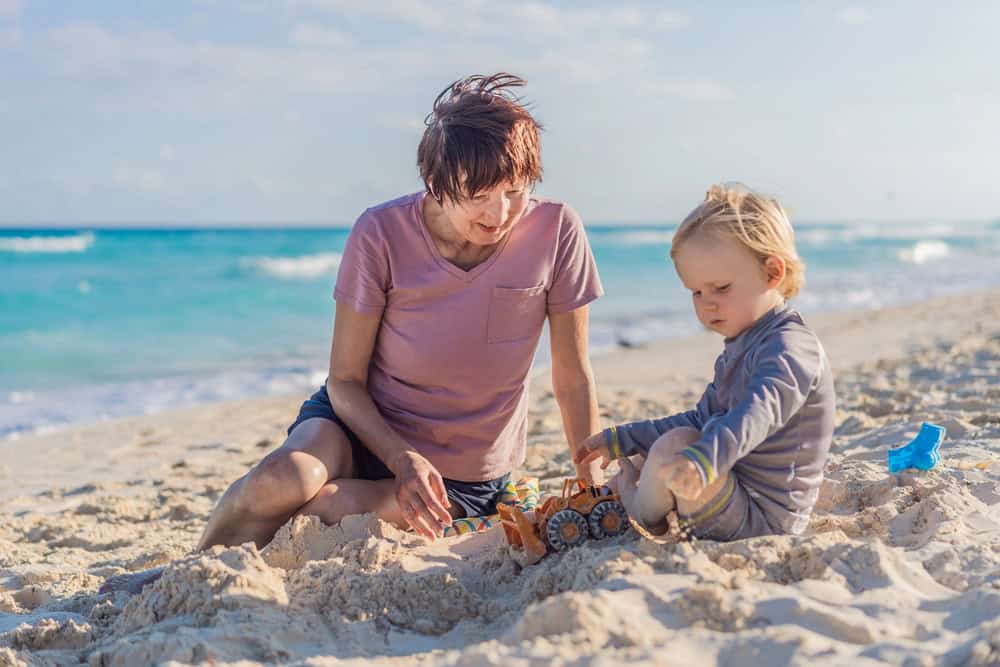
Multigenerational vacations sound like the dream: grandparents get real time with the kids, parents get extra hands, and everyone comes home with stories. Then the first travel day hits and you realize you planned a trip, not a system.
Babies need sleep on a clock. Toddlers need movement and snacks. Grandparents need steadier pacing and fewer physical demands. When those needs collide, even a beautiful destination can feel loud and brittle.
We get calmer trips by building around comfort, not activity. Comfort is not “fancy.” Comfort means fewer friction points: shorter travel days, easier logistics, predictable rest, simple meals and enough space for everyone to reset without stepping on each other.
You do not need a bigger itinerary. You need a kinder one.
What makes multigenerational vacations feel easy instead of exhausting?
“Successful” does not mean every generation wants the same itinerary. Success means each person can participate comfortably, opt out without guilt, and still feel included.
Comfort is the practical framework that makes that possible. When comfort leads, you spend less energy managing logistics and more energy enjoying the people you came with.
Use this quick test when you consider any destination, lodging choice or itinerary idea. If you cannot answer “yes” to most of these, remove friction before you add activities.
Notice what is missing: brag-worthy plans. Comfort-first choices create family vacations with grandparents that feel calm because the day supports real bodies and real moods.
Why comfort matters more than a packed itinerary

Over-scheduling is the fastest way to create chaos. Babies and toddlers need naps, snacks and familiar routines, and grandparents may need slower mornings, fewer stairs, less walking or more recovery time.
When people are rested and not constantly transitioning, everyone becomes more flexible. Small disappointments stay small, and a missed stop does not ruin the whole day.
A good rule for travel with toddlers and grandparents is “one big transition per day.” A big transition is a flight, a long drive, a ferry crossing or a multi-hour train ride.
If the day requires toddlers to skip naps, grandparents to overextend, and parents to carry too much, it is not a good family plan. That one sentence can save you from building a trip that looks great on paper and feels terrible in real life.
How to choose destinations that work for toddlers and grandparents
Destination is not just scenery. It is the daily effort required to function. The best destination is often the one that removes the most friction, not the one with the most “must-see” lists.
When you are comparing options, look at the parts no one posts on social media: airport-to-lodging transfers, parking, grocery runs and how far you will carry a sleepy toddler. A destination that feels “smaller” can produce a bigger sense of freedom.
A comfort-friendly destination tends to have:
Start with travel-day load. Direct routes beat clever routes, because a short layover often turns into a sprint with a stroller and a toddler who suddenly needs the bathroom.
If you are flying, plan safe seating and restraint choices ahead of time. The child safety on planes guidance from the FAA will help you decide what to bring and what to check without last-minute confusion.
Security can also set the tone for the whole day. A quick scan of traveling with children on the TSA site helps you anticipate stroller screening and liquids for babies.
Time zones matter more than many families expect. Even a one or two hour shift can move naps and bedtime into awkward territory, which then ripples into the next day. When you can, choose a destination in your home time zone or within one hour.
Sleep can also become lighter with age, so grandparents often feel that shift sharply. Keeping mornings slower during the first days helps everyone regulate, and the sleep changes overview from the National Institute on Aging sets realistic expectations.
Now zoom in on “need points.” Great multigenerational destinations offer short airport-to-lodging transfers, easy grocery access, family-friendly dining nearby, shade and seating, stroller-friendly paths, and simple entertainment without long waits.
Weather is part of the destination, too. Heat and dehydration raise the stakes for toddlers and older adults, so build around morning outings, midday rest and late afternoon play. The heat and health guidance from the CDC gives clear prevention steps and warning signs.
The lodging features that matter most for multigenerational travel
Lodging decides whether your days feel spacious or cramped. With babies, toddlers and grandparents under one roof, the goal is not “cozy.” The goal is “everyone can rest without negotiating.”
Separate sleeping spaces matter. If a toddler shares a room with adults who want to talk or read with a light on, bedtime becomes a nightly conflict. A separate sleep zone protects routines and reduces tension.
Bathrooms matter more than you think. One bathroom for six people creates a morning bottleneck, which then pushes your outing later, which then collides with nap time. Two bathrooms smooth the whole day.
Kitchen access changes everything. You do not need to cook elaborate meals, but you do need breakfast you can control, snacks you can restock and a way to keep milk and leftovers safe.
Outdoor space earns its keep, too. A small patio, balcony or shared courtyard gives toddlers a safe place to move without a full outing, and it gives grandparents a spot to sit with the kids while the rest of the house stays quiet.
Walkable proximity is another quiet multiplier. When you can walk to the pool, beach or main attraction area, you avoid extra car loading and you can pivot fast when a nap window shifts.

Laundry access reduces the packing spiral. Toddlers spill. Babies blow out. Grandparents may prefer fresh clothes more often in hot weather. In-unit laundry or a nearby laundromat keeps you from packing “just in case” outfits.
Accessibility deserves a direct check, even when no one in the group uses a wheelchair. Fewer steps, stable railings and an elevator reduce fatigue and fall risk, and theaccessible lodging guidance from the ADA National Network helps you know what to look for.
One big shared house or suite can work beautifully, but only if people can retreat. Togetherness feels better when privacy is built in.
A simple daily rhythm that prevents burnout
Families get into trouble when every day has a different shape. Kids thrive on predictability, and adults do, too, even when they pretend they do not.
We plan calmer days by building around anchors. Anchors are fixed points that protect regulation: breakfast, nap, quiet time, dinner and bedtime. Everything else flexes around those anchors.
Plan one main activity per day, with everything else optional. That single decision keeps multigenerational travel with young kids from collapsing under unrealistic expectations.
A calm day beats a crowded day.
Build a long rest block into the middle of the day. That block covers toddler nap time, baby nap time or both, and it also protects grandparents’ stamina.
Keep evenings easy. Even if you feel tempted to “do more,” low-stakes options like a short walk or a playground visit preserve sleep and keep moods steady.
A one-day rhythm that keeps multigenerational vacations calm
Think in windows, not in minute-by-minute schedules. A window gives you structure without turning your trip into a spreadsheet.
Morning window: one outing that starts early, ends before lunch and has an easy exit. Parks, aquariums and short boat rides can work well when they are close and you have shade.
Midday window: lunch that is predictable, then rest. Keep the afternoon quiet even if the group feels energized, because this is when kids recharge and grandparents recover.
Late afternoon window: play without pressure. A beach walk, a splash pad or a stroller-friendly neighborhood loop counts. The goal is movement and light, not achievement.
Evening window: dinner and bedtime routines that feel familiar. When sleep stays stable, the next day feels easier before it even starts.
Some outings fit toddlers and older adults at the same time because they offer built-in breaks. Think benches, shade, wide paths and the ability to leave without drama.
Aim for “two speeds” activities. At a botanical garden, toddlers can roam while grandparents sit and watch. At a boardwalk, toddlers can snack and point at birds while grandparents enjoy the view.
When you want a bigger outing, shorten it. A three-hour visit can feel like a full win when you leave before the group hits the wall, and that early exit keeps the next day from turning into recovery.
If you are wondering, “Will we miss out?” ask a different question. What does your family remember more: one extra attraction, or a trip where everyone felt good enough to laugh?
How to reduce travel stress with the right baby, beach and pet gear
Gear is where many families lose the comfort plot. You can haul everything, then spend your first hour unpacking, or you can decide what you want waiting for you.
Start by deciding what must be full-size. Full-size is worth it when it protects sleep and safety: a stable sleep space for babies, a comfortable stroller for long walks and a safe car seat setup.
Minimal works for toys and entertainment. A few favorite books, a couple of small figures, one coloring option. Toddlers can turn a plastic cup into a game if they are well-rested and fed.
You can also simplify by buying consumables at your destination. Diapers, wipes, sunscreen and snacks are easy to pick up locally, and that frees space for the items that matter most.
Some families choose to rent baby gear from BabyQuip, like cribs, strollers, high chairs, sound machines and baby gates, add beach gear at coastal destinations, and rent pet gear when animals are part of the trip, and delivery can often be arranged before you arrive.
Mobility rentals can do the same for grandparents. In select markets, BabyQuip Quality Providers rent clean, safety-checked scooters, wheelchairs, walking aids and other mobility gear with delivery to hotels, vacation rentals, residences or airports. Check availability here: https://www.babyquip.com/mobility-rentals. Same day delivery may also be available.
Plan meals with the same mindset. New restaurants are fun, but travel with toddlers and grandparents works best when at least one meal per day is familiar, because predictable food keeps blood sugar and moods steady.
Sleep deserves the same attention. If you need a refresher on safe sleep practices for babies, the sleep-related infant deaths policy from the American Academy of Pediatrics is the clearest place to start.
What families should agree on before the trip starts
Multigenerational vacations can create tension when people imagine different versions of the same trip. Parents may prioritize naps and simplicity. Grandparents may want maximum family time. Others may want sightseeing.
A short conversation before you travel prevents conflict later. Try one prompt: “What makes this trip feel good for you?” Then listen, and build one comfort need per person into the plan.
Name three expectations out loud.
Role clarity also helps everyone relax. Pick one person to own logistics, one person to track kid rhythm, and give grandparents roles that feel meaningful without being exhausting.
One more expectation deserves a clear sentence. Younger children set the rhythm more than adults might expect, and when the group follows that rhythm, the trip feels cooperative instead of contentious.
Togetherness is the point, but constant togetherness strains the group. Build daily solo pockets so a grandparent can take a quiet walk, a parent can rest, and a toddler can play without an audience.
How to know your multigenerational vacation plan is realistic
Transitions are the hidden tax on vacations with babies and toddlers. Every extra move adds loading, unloading, buckling, unbuckling, snack negotiation and bathroom searches.
Cluster activities so you can park once and stay in one neighborhood. If you want a museum and a playground, pick ones close together so you are not driving across town twice.
Make transitions easier by setting up a “staging spot” near the door. Keep diapers, wipes, sunscreen, hats and water bottles in one bin so you are not hunting for basics while the toddler melts down.
Car seat logistics can also decide whether your day starts calm or tense. One primary vehicle with the right seats reduces swaps, and fewer swaps means fewer chances to lose time and patience.
Grandparents feel transitions differently, too. Repeated car entry and exit can flare knee or hip pain, so a plan that parks once and walks a little can be kinder than a plan that drives and stops three times.
Decide your exit plan before you arrive. What does “done” look like? “We leave after the next snack” is simple, and it keeps the group grounded.
Expect predictable surprises. A toddler wakes early. A baby skips a nap. A grandparent feels sore. You will handle those moments with less drama when you protect the next nap and the next meal.
Carry a small reset kit when you go out: water, snacks, wipes, a change of clothes and one calm activity. It prevents minor issues from escalating into a day-ending spiral.
Multigenerational vacations work when you stop chasing the perfect itinerary and start protecting the human basics. Shorter transitions, stable sleep, predictable meals and enough space will give your family the calm you want, and comfort will make the trip feel like time together, not a group project.