

Key Takeaways
Ways to keep the zoo day calm:
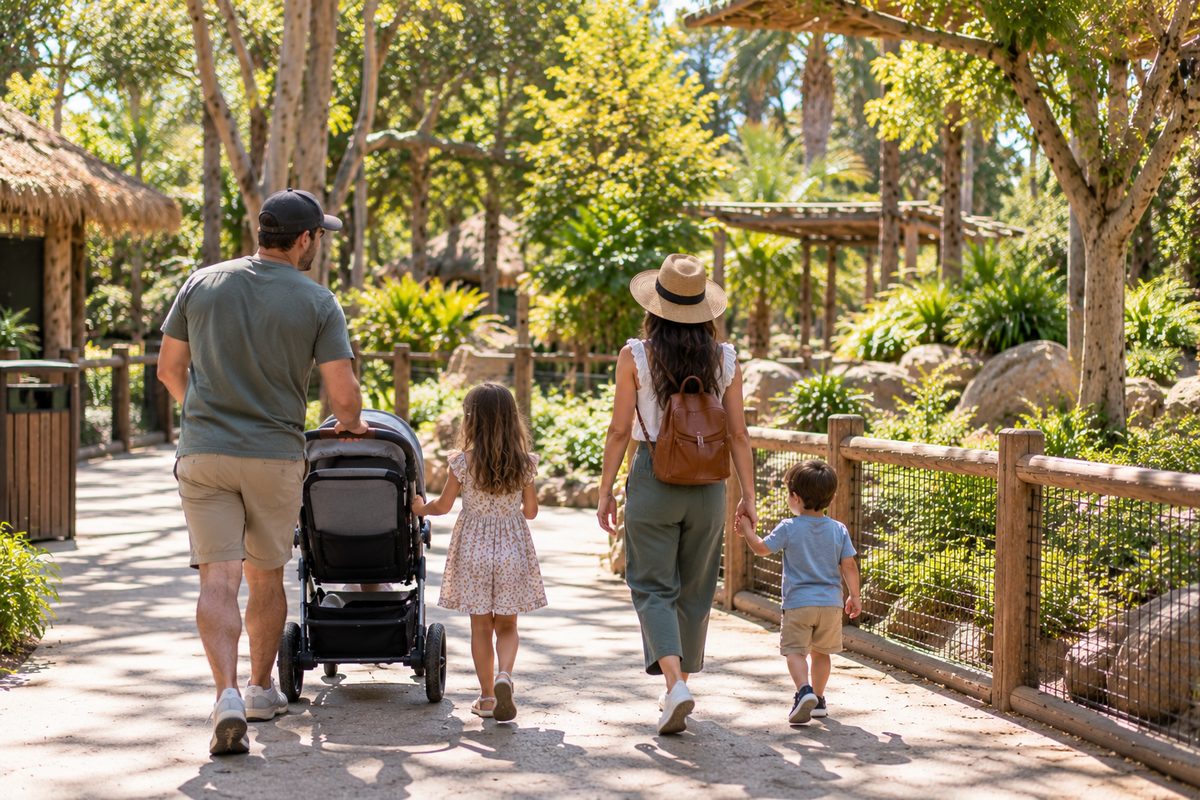
- Pick a few easy wins: Choose three to five strong stops instead of trying to see every habitat.
- Plan a calm-down pause: Build in shade, a snack or a quiet bench before overstimulation takes over.
- Plan comfort ahead: Line up a stroller or mobility gear so the day stays focused on short, easy stops.
The best Santa Ana Zoo exhibits for toddlers and babies aren’t always the ones with the rarest animals or the longest viewing paths. They’re the stops where little kids can see something quickly, stay comfortable in the stroller, point at movement, take a snack break nearby and move on before the mood changes. That’s the secret to a good zoo visit with young children.
At Santa Ana Zoo, families can find mammals, primates, birds, reptiles, amphibians and invertebrates, plus rides and play areas that can stretch the outing when animal attention starts to fade. The trick is not trying to see every habitat. It’s choosing three to five strong wins, then letting the day feel successful even if you leave earlier than planned.
If you’re building a bigger Santa Ana day around naps, meals and playtime, start with the full Santa Ana with toddlers plan. This guide focuses on what to prioritize once you’re already inside the zoo.
What Makes the Santa Ana Zoo Exhibits Toddler-Friendly
A toddler-friendly exhibit does more than show an animal. It gives your child a fast reason to care.
For babies, that may mean high contrast movement, stroller shade, a calm path and enough space for the adult pushing the stroller to pause without blocking traffic. For one-year-olds and younger toddlers, it often means animals that move, climb, vocalize or stay visible long enough for a tiny attention span to catch up.
The Santa Ana Zoo animal list includes mammals, primates, birds, reptiles and amphibians, and the zoo notes that animals have choice within their habitats and may not always be visible to guests. That matters with toddlers because an empty-looking habitat can feel like a broken promise when you’ve been saying “monkeys next” since the parking lot.
Build flexibility into the way you talk about the visit. Instead of “we’re going to see every monkey,” try “we’re going to look for monkeys and see who’s out today.” That small shift gives you room to pivot toward the train, carousel, farm animals or a snack when an animal is resting out of sight.
The best toddler stops usually share a few traits:
- Easy viewing from stroller height
- Movement your child can notice quickly
- Short paths between highlights
- Shade or a nearby reset spot
- Enough sensory interest without too much noise
- A clear exit when attention runs out
That last one may be the most underrated. Toddlers do better when every stop has a natural end.
Best First Exhibits for Toddlers and Babies
Start with the easiest win, not the biggest promise.
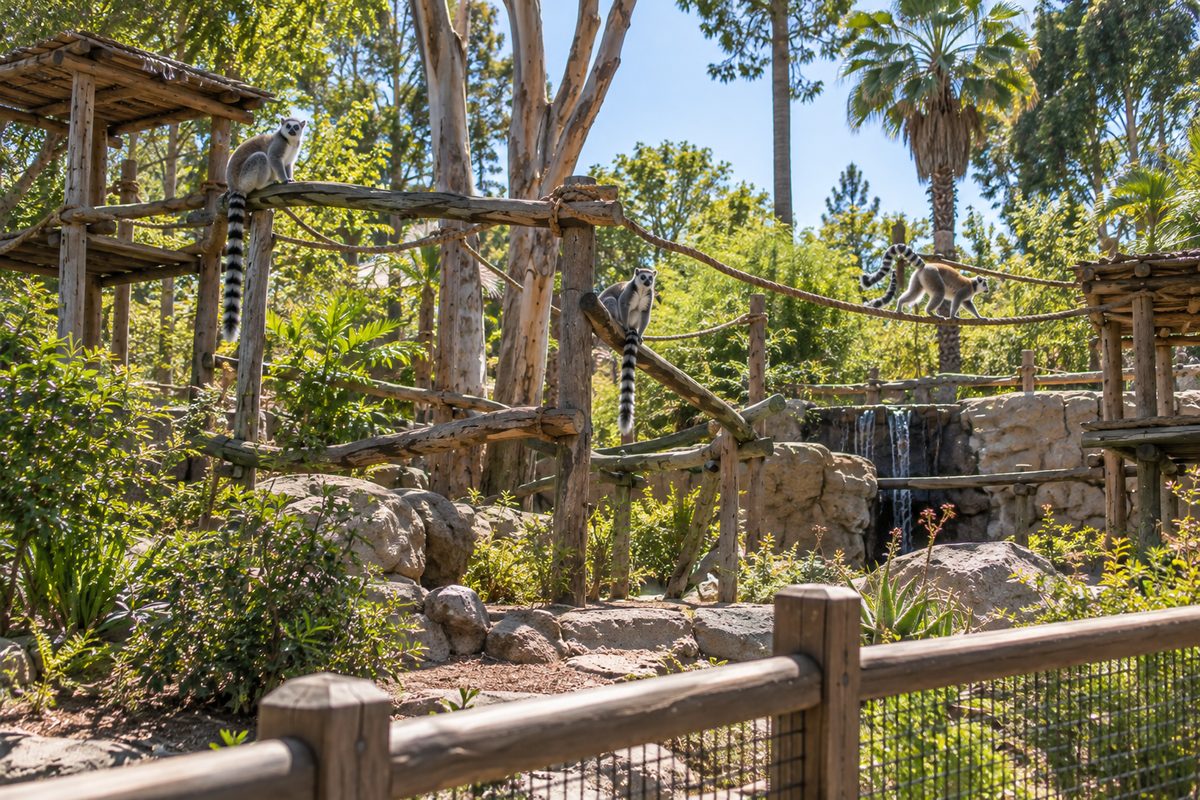
If you arrive near opening with a fresh two-year-old, head first toward the animal areas that offer movement and clear viewing. Primates are often a strong early choice because toddlers can recognize climbing, swinging, sitting, eating and looking around. The zoo highlights primates such as golden-headed lion tamarins, ring-tailed lemurs and white-handed gibbons, among other species, which gives families several chances to spot activity without turning the whole visit into one all-or-nothing moment.
Monkeys and lemurs also work well because you can narrate what your child sees. “He’s climbing.” “She’s sitting way up high.” “That one has a long tail.” Simple observations make the stop feel interactive without needing a formal program or long explanation.
For babies in strollers, your first stop should be even gentler. Choose a path where you can move slowly, pause in shade and keep the stroller rolling if your baby is more interested in motion than animals. Some infants will look toward bright birds or moving branches. Others will enjoy the walk’s rhythm more than the habitat itself, and that still counts as a good zoo start.
If you’re working with grandparents, a baby and a preschool sibling, choose the stop that gives everyone a role. One adult can park the stroller in a comfortable viewing spot, one can help the older child look for movement, and one can keep snacks or a bottle within reach. The goal is not to stay long. The goal is to start without stress.
Families who want to get their arrival routine right before choosing exhibits may want to review Santa Ana Zoo parking and stroller entry tips beforehand. A smoother arrival gives the first exhibit a much better chance.
Best Animal Areas for Short Attention Spans
The best animal areas for short attention spans give toddlers something to notice in the first minute.
That makes primates a strong category, but they’re not the only good choice. Birds can work beautifully for babies and younger toddlers because their color and movement are easier to notice than those of a still animal resting in a shadowy corner. The zoo features colorful birds such as macaws, ibises and peafowl, giving families a mix of bright colors, interesting shapes and sounds.
Farm animals can also be a toddler win because the shapes feel familiar. Goats, sheep and other barnyard animals are easier for many young children to process than animals they’ve only seen in picture books. A toddler may not remember the name of a guanaco, but they can recognize a guanaco’s ears, hooves, nose, chewing and walking.
That kind of recognition builds confidence.
Reptiles and amphibians can be hit-or-miss for very young kids. They’re fascinating when visible, but they often require slower looking. If your toddler enjoys being held up to peer into a habitat, these stops can become quiet focus moments. If your child needs big movement, save reptiles and amphibians for a calmer part of the visit or treat them as a brief pass-through.
How to Choose Santa Ana Zoo Exhibits When Animals Are Hiding
Animal no-shows happen, and they’re easier when you expect them.
Because the zoo clearly states that animals may not be visible at all times, the best plan is to treat each exhibit as a search rather than a guarantee. Ask, “Where do you think the animal might be?” or “Should we check one more window?” This keeps the moment playful instead of disappointing.
If your toddler starts to melt down because the animal isn’t out, don’t overexplain. Name the feeling, offer one more quick look and move toward the next easy win. “You wanted to see the monkey. He’s resting right now. Let’s go find the train.” Toddlers often recover faster when the next step is concrete.
You can also use hidden animals to teach the rhythm of zoo visits. Some stops are exciting. Some are quiet. Some are “we’ll check again later.” That mindset lowers pressure for you and helps your child experience the zoo as a walk full of surprises rather than a checklist.
Best Spots for Babies in Strollers
Babies don’t need the “best” exhibit in the adult sense. They need comfort, pacing and a view that works from where they are.
A stroller-friendly zoo stop should let you pause without having to constantly reposition. Look for wider viewing areas, calmer edges and nearby shade. If your baby is alert, stop where there’s gentle movement: birds, primates, farm animals or other habitats where you can point out simple shapes and sounds. If your baby is sleepy, let the stroller keep doing its job and build the route around motion instead of viewing.
This is where expectations matter. A baby may spend half the visit looking at leaves, wheels, shoes or snack containers. That doesn’t mean the outing failed. It means the zoo gave your family a manageable place to be outside together.
For traveling families, BabyQuip can make this part of the day easier by helping you line up a stroller, crib, high chair or other gear before you arrive. The BabyQuip Orange County page highlights baby gear rental options delivered in the area, which can be especially helpful if you’d rather not fly with a bulky stroller or sleep setup.
When the right stroller is waiting at your hotel, vacation rental or family home, you can plan the zoo around your child’s needs instead of the limitations of whatever gear fits in the trunk.
Best Exhibits for Toddlers Who Want Movement
Some toddlers don’t want to stand and look. They want to walk, climb, point, ride, repeat and keep going.
For these kids, the strongest stops are the ones that pair animals with motion. Primates are a natural fit because climbing and swinging are easy to understand. Birds can hold attention when they flap, call or move between perches. Farm areas can work because toddlers can shift from one animal to the next without needing lengthy explanations.
The key is keeping your language active. Instead of asking, “Do you see the animal?” try “What is it doing?” That question helps toddlers notice movement, and it works even when the answer is simple. Eating. Sitting. Walking. Sleeping. Hiding.
When your toddler needs more than watching, Santa Ana Zoo’s rides and play areas can add a different kind of engagement. The Zoofari Express travels past animal areas, including the Crean Family Farm and Tierra de las Pampas habitats, while the Conservation Carousel and 50 Monkeys Ferris Wheel offer ride options when schedules, weather and operating hours allow.
Rides can save the visit when animal watching loses its magic.
They can also take over the visit if you introduce them too early. If your child loves trains or carousels more than habitats, consider doing two or three animal stops first, then adding a ride as a planned shift rather than a last-minute bribe. That keeps the day feeling calm and gives your toddler a reason to keep moving forward.
Best Calm-Down Stops After Overstimulation
Zoo visits can overstimulate toddlers faster than adults expect. New sounds, uneven pacing, bright sun, other kids, snack requests and repeated transitions can pile up.
A calm-down stop should not feel like another attraction. It should feel like a pause. Find a shaded bench, a quieter path, a stroller-friendly corner or a place where your child can have water and a snack without needing to interact with another animal.
The zoo’s Bean Sprouts café sits near the main entrance in the zone with the gift shop, playground and outdoor dining area, which makes that entrance-side area useful when your family needs food, a reset or a simple decision point. You don’t need to turn the break into a long meal. Sometimes, five minutes sitting down is enough to save the next thirty.
For toddlers who get louder when they’re tired, reduce the number of choices. Instead of asking, “What do you want to do now?” offer two clear options: “Do you want to see one more animal or ride the train?” If both answers sound impossible, that’s useful information too.
A calm exit is better than one more exhibit that pushes everyone over the edge.
When to Add Rides or Play Areas
Rides and play areas work best when they match your child’s energy, not when they’re used to stretch a visit that’s already done.
If your toddler is still curious but needs a change from looking at habitats, a ride can reset attention. The Zoofari Express is especially useful for families with young kids because sitting down while still seeing part of the zoo gives everyone a break from stop-start walking. For a toddler who loves vehicles, the train may become the memory of the day.
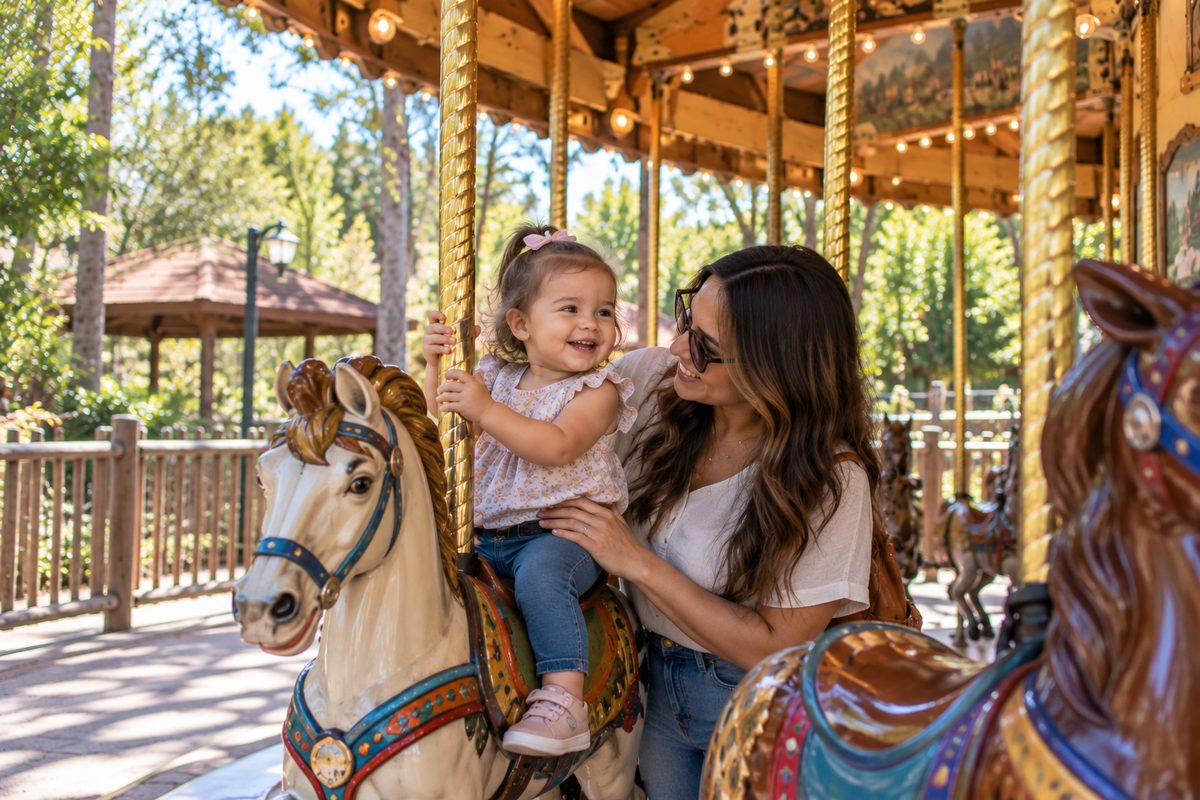
The Conservation Carrousel can be a good match for toddlers who like predictable motion and short experiences. The 50 Monkeys Ferris Wheel may be better for kids who are comfortable with height and sitting still. Use your own child as the filter, not the attraction list.
Play areas are different. They give toddlers a chance to use their bodies after being told to stay near the stroller, hold hands or wait for a turn at a viewing window. If your child is starting to resist the zoo pace, a play break may help more than another habitat.
Just be careful with timing. If a play area makes leaving harder, use it after you’ve already seen your top animal stops. That way, if the visit ends there, it still ends well.
A Simple 60- to 90-Minute Toddler Route Through the Zoo
A 60- to 90-minute visit can be the sweet spot for babies and toddlers. It’s long enough to feel like a real outing and short enough to protect naps, lunch and adult patience.
Santa Ana Zoo typically opens around 10 AM, according to recent listings, and many days run into the afternoon, which makes the first part of the day a strong option for many families. Always confirm the current hours on the zoo’s hours and location page before you go. If your child does best early, the Santa Ana morning itinerary can help you place zoo time into a bigger pre-nap plan.
A simple toddler route could look like this:
- Start with primates or another high-movement animal area.
- Move to birds, farm animals or a second easy-viewing habitat.
- Pause for stroller shade, water or a snack.
- Add one more animal stop only if attention is still strong.
- Shift to the train, carousel, play area or exit before the mood drops.
This is not a race through the zoo. It’s a way to stop the day from becoming too many tiny negotiations. You’re choosing the rhythm before exhaustion chooses it for you.
For babies, shorten the route and make the stroller break in the center. For a two-year-old, keep the first three stops close together and save the ride or play area for the end. For grandparents, build in a reset before anyone admits they need it.
If that reset depends on getting comfortably between exhibits, snack breaks and the exit, families can rent mobility gear through BabyQuip before the zoo day begins. Clean, safety-checked wheelchairs or walking aids can be delivered to hotels, vacation rentals, residences or airports, helping the visit stay focused on short animal stops instead of tiring transitions.
If your family arrives after nap, flip the strategy. Choose one animal area, one movement-based activity and one food or park decision. The late-afternoon Santa Ana plan can help you decide whether a shorter zoo visit still makes sense or whether a lighter outing will feel better.
Best Ways to Handle Different Toddler Personalities
Every toddler brings a different version of themselves to the zoo.
A child who loves monkeys may want to linger, repeat the same viewing window and come back later. That’s fine. You don’t need to pull them away quickly just because the map has more to offer. If they’ve found a connection, let that be the highlight.
A child who is more interested in the train or carousel than the habitats needs a different strategy. Give the animals a short window first, then treat the ride as part of the plan. You can say, “We’re going to look for two animals, then ride the train.” That feels clear and fair to a young child.
A baby who mostly needs stroller motion may not care about your carefully chosen route. In that case, focus on adult comfort, shade and easy paths. The baby gets fresh air and a change of scene, and you get an outing that doesn’t require hauling half the nursery through the zoo.
A toddler with a preschool sibling may need the most careful pacing. Older kids can handle more anticipation, but younger toddlers often need the next step to happen soon. Let the preschooler help “lead” the search for animals while you keep the route short enough for the younger child to succeed.
What to Skip When You’re Visiting With Babies and Toddlers
Skip anything that turns the visit into a test.
You don’t need to see every animal category. You don’t need to finish every path. You don’t need to wait out a hidden animal because you already walked over. With toddlers, sunk-cost thinking is what turns a good outing into a hard one.
Skip long explanations when your child is tired. Save deeper animal facts for older kids or for moments when your toddler is already engaged. A short sentence works better: “That bird is bright red.” “The monkey is climbing.” “The pig is sleeping.”
Skip the gift shop if your child is already overstimulated, unless you’re truly ready for it. Skip one more ride if your toddler is rubbing eyes, getting floppy or refusing simple choices. Skip the last exhibit if your gut says lunch or a nap should come first.
You can always leave while the day still feels good.
If your child has more energy after the zoo, that’s when a simple outdoor extension can make sense. The guide to nearby parks after the zoo can help you decide whether open-ended play is a better next step than another structured attraction.
What Are the Best Santa Ana Zoo Exhibits for Toddlers?
The best Santa Ana Zoo exhibits for toddlers are those with fast visibility, animal movement, stroller-friendly viewing, and an easy exit when attention fades. Primates, colorful birds and familiar farm animals tend to work well because toddlers can quickly notice climbing, calling, walking, chewing or sitting.
Your best list may be short, and that’s a good thing. Choose three to five stops before you arrive, then let the rest of the zoo be a bonus.
Is The Santa Ana Zoo Good for Babies in Strollers?
Yes, Santa Ana Zoo can work well for babies in strollers when you plan the visit around shade, short viewing stops and gentle movement. Babies don’t need a packed route. They need a comfortable ride, quick pauses and adults who are willing to leave before the outing stops working.
A stroller-friendly plan also helps the grown-ups. When diapers, snacks, water and baby layers are easy to reach, everyone has more patience for the small surprises that come with visiting an attraction with a baby.
How Long Should You Spend at The Santa Ana Zoo With a Toddler?
Many toddler families do best with a 60- to 90-minute zoo visit, especially if they’re protecting lunch or nap time. Some children can happily stay longer, especially when rides, play areas and snack breaks are folded in. Others may be done after three animal stops and a train ride.
Watch your child more than the clock. If your toddler is still pointing, walking and responding to simple choices, you may have room for one more stop. If every decision becomes hard, the visit has probably done its job.
What Should You Do if Your Child Gets Tired Before Seeing Everything?
Leave, pause or pivot. That may sound too simple, but it’s often the best answer. If your child gets tired before seeing everything, choose one concrete next step: a snack in the stroller, sitting in the shade, riding the train if timing works, or heading back to the car. Trying to push through usually costs more than it gives back.
Remember, your toddler doesn’t know what was left unseen. They remember the monkey that climbed, the bird that called, the train that moved or the snack break with you. A smaller visit can still become a strong memory.
Final Tips for Choosing Santa Ana Zoo Exhibits With Little Kids
The best zoo day with a baby or toddler usually starts with a smaller plan than adults expect. Pick a few easy wins, stay flexible when animals are resting and treat rides or play areas as helpful tools rather than mandatory stops.
If the day goes beautifully, you can always add more.
If the day runs short, you still gave your child a real outing with animals, movement and time together. That’s the part that matters. When you choose Santa Ana Zoo exhibits through the lens of stroller comfort, short attention spans and toddler mood, the visit feels lighter, calmer and much easier to enjoy.