

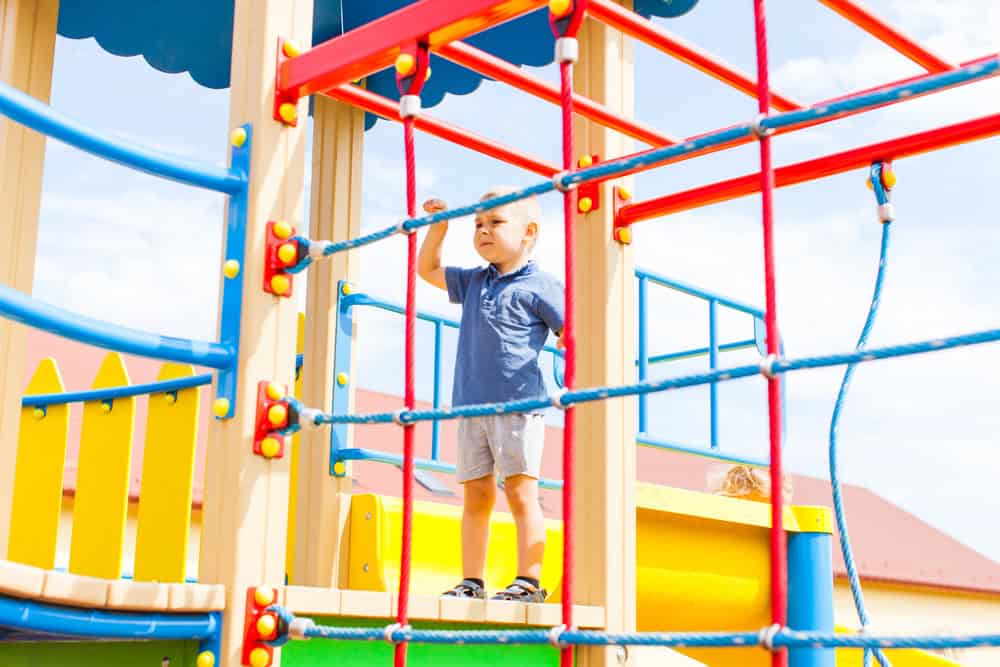
A two-hour kidspace plan for families can absolutely work when you treat the visit like a focused play window, not a mini-marathon. Kidspace is big enough to fill a whole day, but toddlers rarely need that long to feel like they have had a real adventure.
The trick is choosing fewer spaces, moving in one clean direction and leaving while everyone still has a little goodwill left.
Kidspace Children’s Museum sits on a 3.5-acre outdoor campus near the Rose Bowl, with more than 40 hands-on exhibits designed for kids ages 1 to 10. That sounds like a lot because it is. For families working around naps, meals, parking, diapers, stroller loading and the emotional weather of toddler life, two hours is often the sweet spot.
Is Two Hours at Kidspace Enough?
Yes, two hours at Kidspace is enough if you arrive with a plan and skip the idea that you need to see everything. A short visit works best when you choose three to five priority areas and let your child actually settle into them.
That’s the part parents sometimes miss.
A toddler may spend 25 minutes joyfully repeating the same movement, filling a container with sand, climbing the same small structure or watching water move. From an adult point of view, that can look like “we’re not covering much.” From a toddler’s point of view, that is the visit.
Kidspace’s current museum hours are generally Tuesday through Sunday from 10:00 AM to 5:00 PM, though special hours and exhibit availability can change. For nap-schedule families, that makes the opening window especially useful. You can arrive close to 10:00, play hard and still leave with enough time for lunch and a real nap reset.
Two hours also keeps the admission question more practical. You are not paying for “a whole day.” You are paying for the best part of the day, before hunger and tiredness start calling the shots.
The Best Time Window for Nap-Schedule Families
The right window depends on whether your child still takes two naps, has shifted to one nap or is in that unpredictable in-between stage where every day feels like a guess. Children ages 1 to 2 are generally recommended to get 11 to 14 hours of sleep per 24 hours, including naps, so a museum plan that protects rest is not overthinking. It’s how the rest of the day stays livable.
For two-nap babies or young toddlers, the best Kidspace visit is usually the first workable morning window after the first nap, as long as you can arrive with enough energy left for play. If the first nap ends late, you may do better with a shorter route and a snack before entry rather than trying to squeeze in everything.
For one-nap toddlers, the classic 10:00 AM to noon visit is hard to beat. It gives you the museum’s freshest part of the day, keeps lunch from sliding too late and leaves room to get back to a hotel, vacation rental or home before the nap window collapses.
A late-afternoon visit can work for kids who nap well and wake up ready to move. It’s not the best fit for toddlers who need a long runway to dinner and bedtime, but it can be a nice choice when the morning is already taken.
Build In a Real Arrival Buffer
A two-hour plan does not start when you pull into Pasadena. It starts when your child’s shoes are on, the water bottle is accessible, and you’re actually walking toward the entrance.
Kidspace offers free parking in Lot I, near the Jackie Robinson Baseball Field and Rose Bowl Aquatics Center. That removes one headache, but you still need time for unloading, bathroom decisions, sunscreen, stroller setup and the small mysteries toddlers create in parking lots.
Plan for a 20-30 minute arrival buffer before your ideal entry time. If you’re using timed tickets, treat any grace period as backup for real-life delays, not as permission to start slowly.
That one mindset shift makes the whole visit feel calmer.
What to Do First at Kidspace
Start with the area that best matches your child’s current body, not the area that sounds most impressive. If your toddler needs to move, begin with active play. If your baby or early walker needs a softer landing, start with the dedicated babyspace while it’s open.
The S. Mark Taper Foundation Early Childhood Learning Center is designed for newborns, crawlers and early walkers, and it is open Tuesday through Sunday from 10:00 AM to 2:00 PM. That timing matters. Families with infants, crawlers and new walkers should make it an early stop rather than saving it for later.
For older toddlers, resist the urge to crisscross the campus right away. Kidspace has water, climbing, trikes, indoor galleries and hands-on zones, which can pull you in every direction if you let them. Your first 20 minutes should help your child regulate, not scatter.
Try this simple first-move rule: choose one nearby zone, stay there long enough for your child to engage and avoid saying “let’s go see what else there is” too soon.
A Two-Hour Kidspace Plan for Families With Different Nap Windows
The best two-hour kidspace plan for families is not one rigid route. It’s a decision tree. You choose the version that fits your child’s age, energy and nap deadline, then adjust as the day unfolds.
For a morning visit with a one-nap toddler, aim for this flow:
That last 10 minutes may feel boring on paper. In real life, it’s what keeps the car ride from turning into a meltdown.
For an after-nap visit, make the plan lighter. Choose one active space, one sensory or creative space and one exit-friendly stop. You’re not trying to exhaust your toddler before dinner. You’re trying to give them a satisfying burst of play before the evening routine begins.
How the Two-Hour Kidspace Plan for Families Changes by Age


Babies, crawlers and early walkers need a different rhythm than confident toddlers. They don’t need to “do Kidspace” in the same way. They need soft exploration, manageable stimulation and adults who are willing to slow down.
For the youngest visitors, make the Early Childhood Learning Center your anchor. Socks are required there, and shoes stay at the shoe wall to help keep the space clean for crawling hands. After that, choose one gentle outdoor area or a stroller walk through the campus before leaving.
New walkers often love short bursts of independence. Give them a contained place to practice, then pause before moving again. Too many transitions can tire a new walker faster than the play itself.
Active toddlers can handle more variety, but they still need boundaries. Give them three main stops: one place to climb or move, one place to splash or explore and one calmer stop before leaving. If you’re tempted to add a fourth, check the clock and your child’s face first.
Route Template 1: Infants, Crawlers and Early Walkers
This route is for families who want Kidspace to feel sweet and successful, not overstimulating. It works best between 10:00 AM and noon because the babyspace is open and your child is usually fresher.
Start at the Early Childhood Learning Center. Let your baby crawl, pull up, cruise, toddle or sit with sensory materials without rushing. Adults can stay close, shoes can stay off, and the pace naturally feels gentler than the bigger outdoor zones.
After 35 to 45 minutes, take a break in a stroller or carrier. This is not wasted time. For very young children, a slow transition helps them process the noise, light and movement of the museum.
Then choose one low-pressure second stop. Arroyo Pequeño can work for little ones ready for gentle water play, while Winding Willow Lake may be better for watching, sitting and touching sand with adult help. Kidspace describes Arroyo Pequeño as a water area for little ones, while the Explore Kidspace page for Winding Willow Lake features blue sand and a boat for pretend fishing.
Leave before the second nap or lunch window gets too tight.
Route Template 2: Active Toddlers
This route is for kids who get out of the car ready to run. The goal is to give them big movement early, then bring the energy down before you leave.
Start with an outdoor movement area rather than an indoor gallery. Trike Tracks, climbing spaces or water-adjacent play can help active toddlers use their energy most effectively in the first half of the visit. If your child is drawn to water, decide before you start whether wet play is part of the plan.
That decision saves you from negotiating beside a splash zone.
Kidspace notes that families planning to play in water should bring a change of shoes, and Arroyo Adventure encourages families to bring water shoes, a change of clothes and a towel. If you packed for wet play, enjoy one water zone. If you did not, stay dry and choose a different favorite.
Use the middle of the visit for a snack and reset. A short pause can give you another 20 good minutes, especially if your toddler has been running, climbing or splashing.
End with a favorite repeat, not a brand-new area. Toddlers often leave better when the final activity feels familiar.
Route Template 3: Mixed-Age Siblings
Mixed-age visits need more compromise, especially when one child wants big motion, and another needs a softer space. The goal is not perfect fairness. The goal is a route where each child gets one good win.
Start with the youngest child’s best-fit space if the babyspace window matters. Older siblings can often tolerate a slower start better than babies can recover from missing their best window.
Then move to a shared zone. Muddy Boot Farm, Ramps & Rollers, trike areas or water play can work well depending on ages and confidence. Keep the stop long enough for everyone to engage before redirecting.
For the final stretch, give the older child a clear choice between two parent-approved options. That makes the visit feel less like the baby ran the whole day, while still keeping you on schedule.
Snack, Diaper and Clothing Reset Timing
A short visit gets harder when every need becomes urgent at once. Build the reset into the plan before your toddler asks for it loudly.
The best reset time is usually around the halfway point. That gives you enough play behind you to justify a pause and enough visits left to help with the snack. Keep it simple: water, a familiar snack, diaper or potty check and a quick clothing decision if water or messy play happened.
Bean Sprouts Café is on-site and caters to several dietary needs, including vegetarian and vegan, casein-free, gluten-free, dairy-free, nut-free, egg-free, and soy-free options. For a two-hour visit, though, a full meal inside the museum may or may not be enough for your day.
If lunch is too close to nap time, eat after you leave or head straight back for the nap routine. If your child gets shaky without food, use Bean Sprouts as a practical pause rather than trying to power through.
Should You Eat Before, During or After?
Most nap-schedule families do best with a small pre-entry snack and lunch after Kidspace. That keeps your two hours focused on play and protects the bigger meal from becoming rushed.
Eating during the visit makes sense when your child is too hungry to enjoy the museum or when you’re doing a late-morning visit that ends closer to 12:30. Just be honest about the tradeoff. A sit-down break uses precious play time, but it may save the final 30 minutes.
Eating after works best when you already know where you’re going next. The danger is leaving Kidspace tired, then trying to make restaurant decisions with a hungry toddler in the back seat.
For a broader look at how Kidspace fits into a simple family day, BabyQuip’s guide to Pasadena with toddlers can help you think through the bigger rhythm of naps, meals and easy outings.
What to Skip to Protect the Nap
Skip any area that requires too much setup, cleanup or emotional negotiation when your clock is tight. That does not mean the area is bad. It means it may not fit this visit.
Wet play is the biggest decision. If you pack a towel, dry clothes and water-friendly footwear, one wet area can be a highlight. If you did not, wet play can turn a two-hour win into a soggy transition right before lunch.
Skip zig-zagging. A campus map is helpful because Kidspace encourages families to download a map of Kidspace before visiting, but the map should simplify your route, not tempt you into covering every corner.
Skip brand-new areas after your child starts fading. Late curiosity can look adorable until it becomes a hard exit. Save the mystery for next time.
How to Leave Kidspace Before the Meltdown
The best exit starts before the meltdown. Give your child a concrete ending: one more turn, one more splash, one more bridge, one more ride. Then follow through with calm confidence.
Toddlers do better when the ending has shape.
Build a small goodbye ritual. Wave to the water, say bye to the trikes or choose one favorite thing to remember. It may sound silly, but it gives the transition a job. Without a job, the transition becomes pure loss.
Have the stroller, carrier or hand-holding plan ready before you announce the end. If your child is tired, they may not be able to organize their body and emotions at the same time.
Once you leave, leave. Do not restart the visit with “just one more thing” unless you truly have time and energy for the consequences.
How BabyQuip Can Make the Two-Hour Plan Easier
A two-hour museum visit can still involve a lot of gear. That’s especially true if you’re flying into Southern California, staying in a hotel or trying to protect naps away from home.
BabyQuip helps traveling families rent clean, safe and insured baby gear, including strollers, cribs, high chairs, car seats, toys and more. Independent Quality Providers deliver and set up gear at hotels, vacation rentals and private homes, which can make a short Pasadena stay feel less like a packing puzzle.
For a Kidspace-focused day, the biggest wins are usually a stroller that fits your child well, sleep gear that helps the nap happen afterward and feeding gear that makes post-museum meals less chaotic. A travel crib or playard back at your lodging can be the difference between “we survived the outing” and “the rest of the day still works.”
You don’t need to bring your whole nursery. You need the right gear in the right place.
What Changes With Weather, Crowds and Special Events?
A short plan needs room to flex. Kidspace notes that indoor galleries may be subject to capacity limits and certain exhibits or programs may be modified, unavailable or reduced in capacity, so your route should never depend on one exact exhibit being available.
Check the calendar and hours before you go. Rose Bowl events, seasonal programming and special exhibitions can shift the feel of the day. When the museum is busier, reduce your must-do list instead of trying to move faster.
Warm weather also changes the plan. Outdoor play feels wonderful until everyone is hot, thirsty and sticky. Build water breaks into the route, use shade when you can and keep the last stop easy to exit.
On cooler or rainy days, keep the plan tighter and be ready to lean more on indoor spaces. Two hours can still work, but your route may need to be less ambitious.
Frequently Asked Questions
How Long Do You Need at Kidspace?
Many families can enjoy Kidspace for several hours, but two hours can be plenty for toddlers, babies and nap-schedule families. The key is choosing a few high-value areas instead of trying to cover the whole campus.
For a first visit, consider two hours as a focused sampler. You can always come back another day with a better sense of what your child loved most.
Is Kidspace Worth It if You Only Have Two Hours?
Yes, Kidspace can be worth it for two hours if you protect the visit from overplanning. A short, happy visit is better than a long visit that ends with everyone hungry, wet and overtired.
The value comes from child-led play, not the number of exhibits checked off.
What Time Should I Arrive at Kidspace With a Toddler?
For one-nap toddlers, arriving close to 10:00 AM usually works well because it gives you a clean morning play window before lunch and nap. For babies, crawlers and early walkers, morning is also helpful because the Early Childhood Learning Center is open from 10:00 AM to 2:00 PM.
If you arrive later, shorten the route instead of pushing the nap.
Can I Do Kidspace Before Nap?
Yes, Kidspace before nap is often the best strategy for toddlers who are cheerful in the morning and sleep best after a busy outing. Keep the visit to about 2 hours, avoid last-minute surprises, and leave enough time for lunch or a wind-down routine.
The mistake is staying until your child is already melting down, then expecting a smooth car ride and nap.
What Should I Prioritize at Kidspace With a One-Year-Old?
With a one-year-old, prioritize the Early Childhood Learning Center if your child is a crawler or early walker. Add one gentle outdoor area if your child still has energy, then leave before hunger or tiredness takes over.
One-year-olds rarely need a big route. They need space to explore safely, time to repeat movements and adults who aren’t rushing them from one thing to the next.
Should I Eat at Kidspace or After?
Eat at Kidspace if your child needs food to stay regulated or if the timing lines up naturally. Eat after if stopping for a meal would eat up too much of your two-hour window.
For many families, the easiest plan is a small snack before or during the visit, then lunch right after.
What Happens if I’m Late For The Timed Entry?
If you’re late for timed entry, head to the entrance and ask the staff about your options. Build a 20 to 30 minute buffer into your plan so parking, unloading or toddler delays do not immediately shrink your play window.
When the day starts late, do not try to make up for it by rushing. Choose two favorite areas and let the visit be shorter.
The Happiest Kidspace Visit Is the One That Ends Well
A short Kidspace visit can still feel full. Your toddler can climb, splash, crawl, pretend, snack and leave with that flushed, happy look kids get after real play.
You do not need to squeeze the whole museum into one outing. You need a route that respects your child’s body clock.
Choose the best time window, pick three to five priority areas, keep one reset in the middle and leave before the day tips over. That’s the real promise of a two-hour kidspace plan for families: enough adventure to make the visit feel special, with enough restraint to keep naps, meals and the rest of the day intact.