

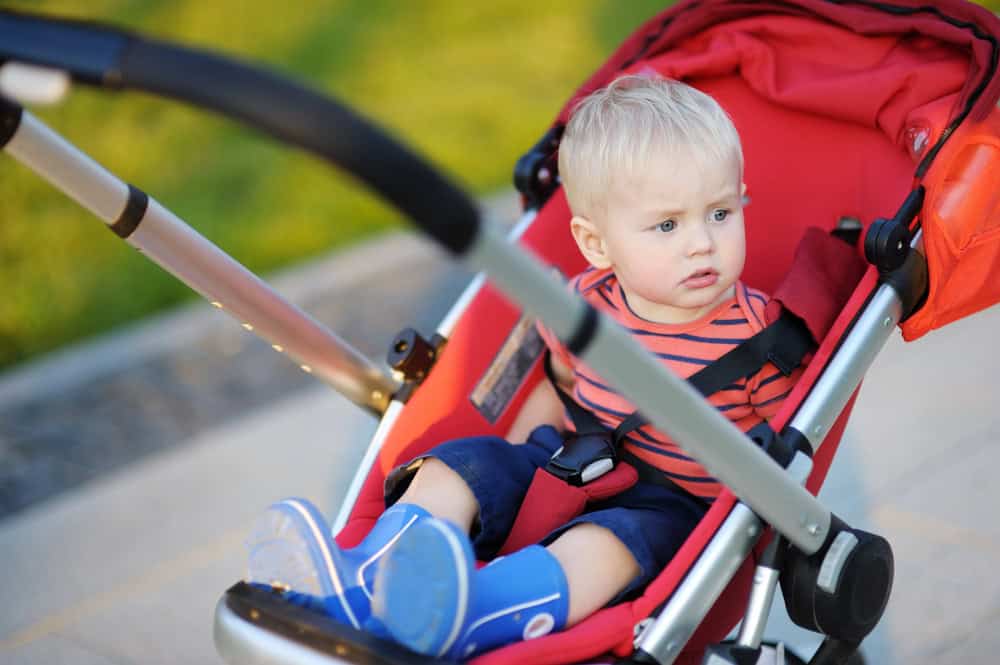
Aquarium of the Pacific parking can make or break your outing before your toddler even sees a single tank. A smooth start usually comes down to three things: where you park, how much you carry and whether the stroller you bring will actually help once you’re out of the car.
That sounds simple until you’re buckling a sleepy child back into place, digging for wipes in a packed tote and wondering if the extra gear is about to turn a fun visit into a clumsy one. This is where a little planning pays off.
The Aquarium of the Pacific parking structure sits close to the entrance, and the aquarium’s prices and hours page notes that reservations are required on weekends and holidays. Those facts matter, but the bigger win is knowing how you want the first 20 minutes to feel. If your arrival feels orderly, the rest of the visit usually follows that lead.
And if you’re building this into a fuller waterfront day, our Long Beach with toddlers guide can help you connect the aquarium stop to lunch, beach time and downtime without packing too much into one stretch.
Planning Your Arrival With a Toddler
Families often spend a lot of time thinking about what to do inside the aquarium and not much time thinking about what happens between the car and the door. That gap matters more than it seems.
A toddler who arrives calm, hydrated and not already frustrated by a long unload usually settles in faster. A toddler who waits through a messy parking decision, a slow stroller setup and a search for missing snacks may feel done before the visit really starts.
Start by deciding what kind of outing this is. Are you doing only the aquarium? Are you planning lunch right after? Are you hoping to add a beach stop later if energy holds? Your answer should shape how you park and what you bring.
If the aquarium is your main event, convenience wins. Park close, bring the gear that keeps the visit moving and accept that you do not need to optimize for the rest of the day yet.
If the aquarium is part of a larger plan, think in stages. What do you need during the aquarium portion, what can stay in the car and what will matter later when everyone is hungrier, sandier or more tired?
That staging mindset keeps you from hauling your whole day on your shoulders.
It also helps to build one tiny reset into the arrival. Before you walk in, take sixty seconds to wipe your hands, offer water, adjust layers and make sure the item you will need first is actually reachable. That might be sunscreen if you’re outside first, a pacifier, a comfort toy or the snack you plan to save for the walk back out.
Families often lose time not because they forgot something, but because the right thing is buried under five wrong things.
Aquarium Of The Pacific Parking Strategy for a Smoother Start
The aquarium says its parking structure is steps away on the water side of Shoreline Drive, and that aquarium visitors pay a flat $8 rate with validation. For families with babies or toddlers, that closeness is more than a convenience. It changes how much you need to carry and how easy it is to retreat to the car if the plan shifts.
A close garage gives you flexibility.
You can leave backup clothes, extra diapers, a heavier cooler bag and beach gear in the car instead of dragging everything inside. You can also do a quick mid-visit swap if your child has a blowout, spills a full cup or decides the lovey they definitely did not need is suddenly essential.
When you are choosing your parking strategy, think less about saving a few minutes of walking later and more about reducing friction now. With little kids, the lowest-stress option is often the one that reduces transfers. Fewer unloads, fewer gear handoffs, and fewer last-minute decisions usually make for a better start.
When Aquarium Of The Pacific Parking Should Be the Priority
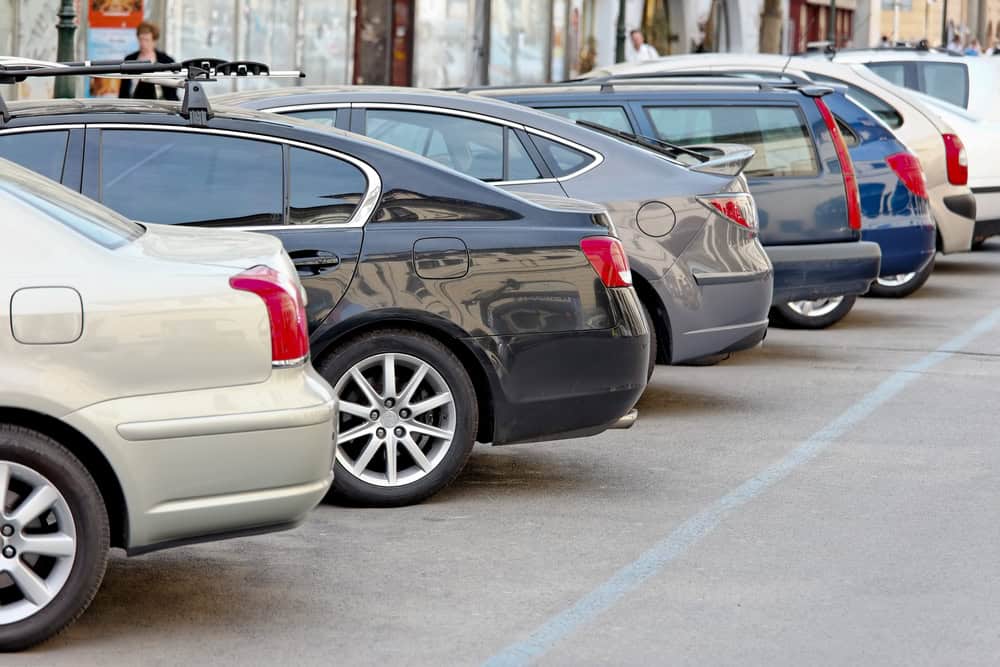
Several parked cars in a parking lot
If you have one child under three, a diaper bag, a stroller and even a slight chance of needing to head back to the car, close parking is worth prioritizing.
The same goes for families with two young kids, grandparents joining or any plan that depends on a nap-friendly exit.
In select markets, BabyQuip Quality Providers rent clean, safety-checked scooters, wheelchairs, walking aids and other mobility gear with delivery to hotels, vacation rentals, residences or airports. Check availability here: https://www.babyquip.com/mobility-rentals. Same day delivery may also be available.
A farther parking option can look fine on a map and still feel much harder in real life. Long walks become slow walks. Slow walks become stop-and-start walks. Then the adult carrying the heavier bag ends up doing most of the work while the child, who was calm in the car, is now hungry and ready to move.
That is not a great way to enter a popular attraction.
There is another wrinkle. The aquarium notes that you validate inside the Aquarium lobby, then pay the $8 flat rate as you exit the lot or at kiosks near the elevators, as listed on its address and parking page. That means you do not need to overcomplicate arrival by trying to handle everything at once. Get parked first. Get your child settled next. Worry about payment details later.
If the aquarium is only your morning stop and you already know you are heading somewhere else for lunch or beach time, a staged setup still helps. Bring only what supports the aquarium portion, and leave the second half of the day packed separately in the car. One tote for inside. One bag for later. One change of clothes that stays untouched unless you need it.
That separation prevents your beach bag from becoming your aquarium bag by accident.
Should You Bring a Stroller?
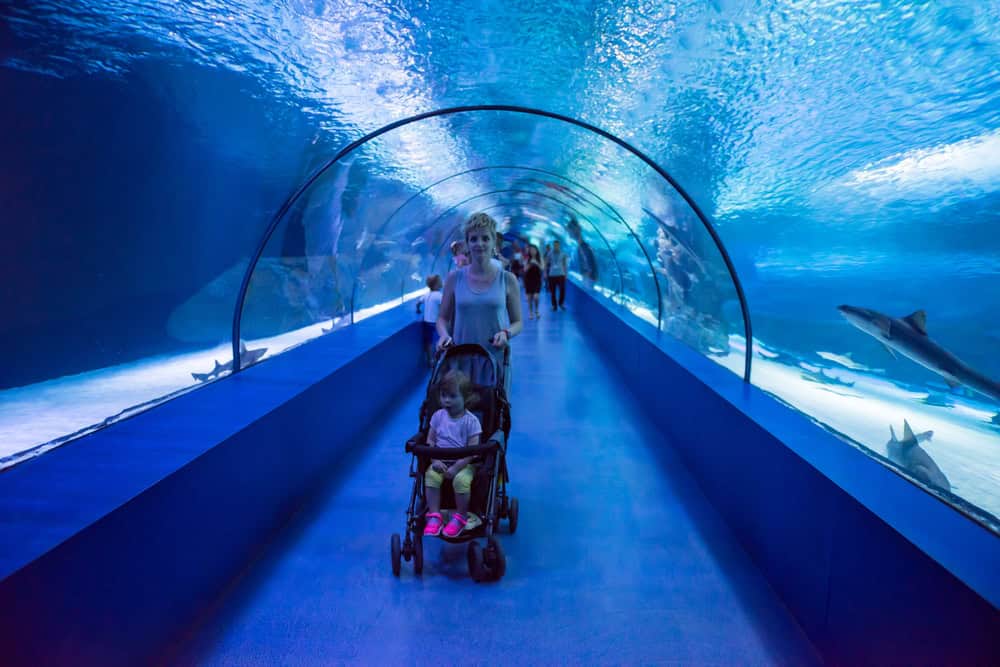
A stroller can be a lifesaver at the aquarium. It can also become one more awkward thing to steer if your toddler wants to be out the whole time, and you end up pushing empty wheels plus a diaper bag.
So how do you decide?
Bring a stroller when you expect your child to alternate between walking and riding, when nap timing may catch up with you later in the visit, or when you need storage as much as a seat. For many families, the biggest value is not the ride. It has a predictable place for water, wipes, a light layer and the small things that otherwise live in your hands.
Skip the stroller when your child strongly prefers walking, the visit will be short, you are babywearing a younger child already, or you know you will be weaving through several transitions where folding, parking or managing the stroller feels like more work than help.
That tradeoff matters.
Some toddlers do better with movement freedom inside an aquarium. They want to stop, point, backtrack and squat at windows. In that case, babywearing for a younger child and letting the older toddler explore on foot may feel simpler than pushing a stroller you keep abandoning every few minutes.
Other toddlers start strong and fade fast. For them, the stroller becomes the recovery tool that keeps the last hour from unraveling.
Think about your child’s pattern, not your ideal version of the day.
If you are flying in or do not want to drag your own gear through the whole trip, a stroller rental can make sense. A BabyQuip Quality Provider can provide you with a stroller and even deliver it to you on the same day you need it! BabyQuip also shares its cleaning standards and trust and safety, which can be reassuring when you want stroller convenience without bringing one from home.
Signs a Stroller Will Probably Help
A stroller is usually worth it when one or more of these are true:
-
Your toddler likes to walk for short stretches, then suddenly wants to be carried
-
You need under-seat storage for wipes, water and a light jacket
-
You are managing one child’s pace while another child or adult needs steadier movement
-
You may roll straight into lunch afterward and want an easy seat or containment option
-
Your child sometimes naps on the go or melts down when tired, but still needs to move from place to place
Notice that only one of those points is really about distance.
The stroller often earns its place because it reduces the adult workload and makes transitions cleaner.
When Babywearing May Be Simpler
Babywearing works well when the child is small enough to stay comfortable for a longer stretch, and your day is built around shorter, more active movement. It is especially practical if you want to park, get inside and keep your hands free without having to navigate extra gear.
It also helps if you are planning to shift from aquarium to lunch to a beach stop, and you do not want one more item to fold, lift or protect from sand later.
Still, babywearing has limits. A warm day, a heavy child or a longer outing can make it much more tiring than it sounds at breakfast. If you are debating between a carrier and a stroller, be honest about your back, your child’s weight and how likely it is that you will still be carrying that load two hours later.
What to Carry and What to Leave in the Car
Packing well for this outing is less about bringing more and more about putting the right items in the right zone.
Your easy-reach items should cover the next ninety minutes, not the entire day. Think water, wipes, one diapering setup, a small snack for after you come դուրս, sunscreen if the day includes outdoor time, one comfort item and a light layer if needed.
That is usually enough.
You do not need every backup inside the aquarium. In fact, carrying too many “just in case” items often makes families slower, more distracted and less willing to move when their toddler is ready.
A simple way to pack is to divide your gear into three categories.
Bring inside:
-
wallet, phone and tickets
-
wipes and diapers
-
water
-
one small change item or emergency outfit piece
-
one or two easy transition items, like a snack for later or a comfort toy
-
sunscreen if your day continues outdoors
Keep in the car:
-
full extra outfit
-
beach gear
-
larger snack stash
-
extra shoes
-
bulkier layers
-
duplicate diaper supplies
-
anything you only need if the day extends beyond the aquarium
Leave at home or hotel:
-
toys that create clutter more than comfort
-
oversized bags with “maybe” items
-
gear you already know you dislike carrying
-
anything that turns setup into a project
This is also where the aquarium’s FAQ comes into play. The aquarium says outside food is not allowed inside, though picnic tables are available on the plaza. So if you pack snacks or lunch, treat them as pre-entry or post-visit tools instead of assuming you will use them inside.
That one detail can change what belongs in your easy-reach bag.
A full lunch setup does not need to ride through the exhibits with you. A small water bottle probably does.
If you want one more planning shortcut, download or glance at the Visitor Guide & Map before you go. Even a quick look can help you avoid wandering more than your child’s patience allows.
How to Handle the Transition to Lunch or Beach Time
The hardest part of family outings is often not the main activity. It is the handoff between one activity and the next.
The aquarium-to-lunch transition gets messy when toddlers are hungry, adults are trying to choose food on the fly, and everyone is suddenly standing in bright sun with too much gear. The aquarium-to-beach transition gets messy when families have to unpack a second version of the day, while the child who just left a stimulating environment needs a reset.
That is why your car should function like a small base camp.
Before you enter the aquarium, decide what comes next and pack for that phase separately. If lunch is next, make sure your diaper bag still has what you need for a restaurant or casual counter stop without a full repack. If the beach might follow, keep swimsuits, towels, sand toys and spare clothes together so you can switch modes quickly.
Do not make the parking garage the place where you sort five different bags. Make those calls in advance.
For many families, the best transition move is a short reset before the next stop. That could be water in the car, a diaper change, ten quiet minutes in the stroller, a small snack on the plaza, or simply letting your child sit for a moment before moving again. A toddler who leaves the aquarium amped up may not go smoothly into lunch without that pause.
A stroller can help here, even if it feels optional inside. It gives your child a familiar seat during the shift from one environment to another, and that alone can lower the emotional temperature.
If beach time is next, ask one practical question: does your child still have enough margin for sand, cleanup and the ride back? If the answer feels shaky, shorten the beach stop or skip it. A good family day is not one where every planned activity goes off without a hitch. It is one where the transitions stay manageable.
Mistakes That Make Arrival Harder
A few patterns tend to trip families up here.
The first is bringing too much inside because it feels safer. More gear rarely makes this outing easier. It usually slows you down and makes every stop feel busier than it needs to.
The second is choosing a stroller by habit rather than by use case. The stroller that works at an airport or amusement park is not automatically the best tool for an aquarium visit. Choose the setup that fits your child’s pace and your real carrying load.
The third is treating parking like a minor detail. For adults, parking can feel like a practical footnote. For toddlers, it is the start of the experience. A smooth park-and-go arrival preserves energy. A chaotic one spends it.
Another common mistake is failing to separate the aquarium part of the day from the next part. If beach clothes, lunch supplies, spare shoes and backup diapers all live in one overloaded bag, you will end up unpacking half your trip in the garage or on the sidewalk.
One more issue shows up late in the visit. Parents sometimes stay just a bit too long because leaving feels like giving up value. With toddlers, the best exit point is often a little earlier than adults expect. That keeps the walk back, the lunch stop and the car ride from turning into the hardest part of the day.
FAQs About Aquarium Of The Pacific Parking and Strollers
Where Do Families Park for the Aquarium of the Pacific?
Most families park in the aquarium’s Queensway Bay parking structure, which is close to the entrance and offers validation for aquarium visitors. That is usually the easiest option when you have a stroller, a diaper bag or a child who may need a quick return to the car.
Is a Stroller Worth Bringing?
Often, yes, but not always. A stroller is most useful when your toddler alternates between walking and riding, when you need storage or when the aquarium is only one part of a longer day. If your child strongly prefers walking and the visit will be short, babywearing or going without a stroller may feel easier.
What Should I Bring Into the Aquarium?
Bring only the items you are likely to need during the next stretch of the outing: water, wipes, diaper basics, one comfort item and any small essentials that keep transitions smooth. Keep bulky extras in the car, so your arrival and entry feel lighter.
How Do I Make Arrival Easier With a Toddler?
Plan your parking first, keep your inside bag small and decide before you leave the car whether the stroller is helping with riding, storage or both. It also helps to know what comes next, so you are not making lunch or beach decisions while your child is already tired.
Is a Stroller Better Than Babywearing for This Outing?
That depends on your child’s size, the length of the visit and how many other things you need to carry. Strollers usually win on storage and transition support. Babywearing usually wins on simplicity and hands-free movement. The better choice is the one that reduces strain for the adult and frustration for the child.
Aquarium of the Pacific parking is not the most exciting part of the day, but it has an outsized effect on how the day feels. Park close when convenience matters most, carry less than you think you need and bring the stroller only when it solves a real problem. If you do that, you will spend less energy on logistics and more on the part that your child will actually remember.