

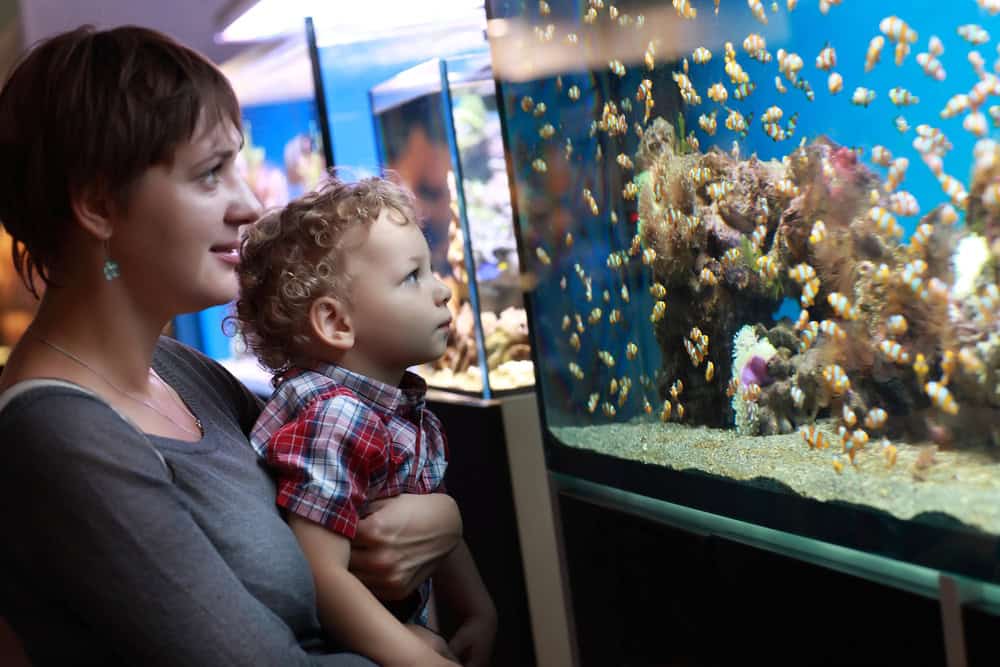
A day in Long Beach with toddlers does not need to feel like a test of stamina. Long Beach works unusually well for this age because the Aquarium of the Pacific, the waterfront around Shoreline Village and several calm-water beach options all sit within a family-manageable orbit. You can build a day that feels full without making every hour perform.
That matters when you are traveling with a toddler, a preschooler or a baby-and-big-kid combo. You are not trying to squeeze every attraction into one heroic outing. You are trying to line up the day so that hunger, overstimulation, nap pressure and too much walking don’t take over.
We like this kind of Long Beach day because it gives you choices. You can make it a true full day, a shorter aquarium-first outing or the first half of an overnight family stay.
Why Long Beach Works Well for Families With Toddlers
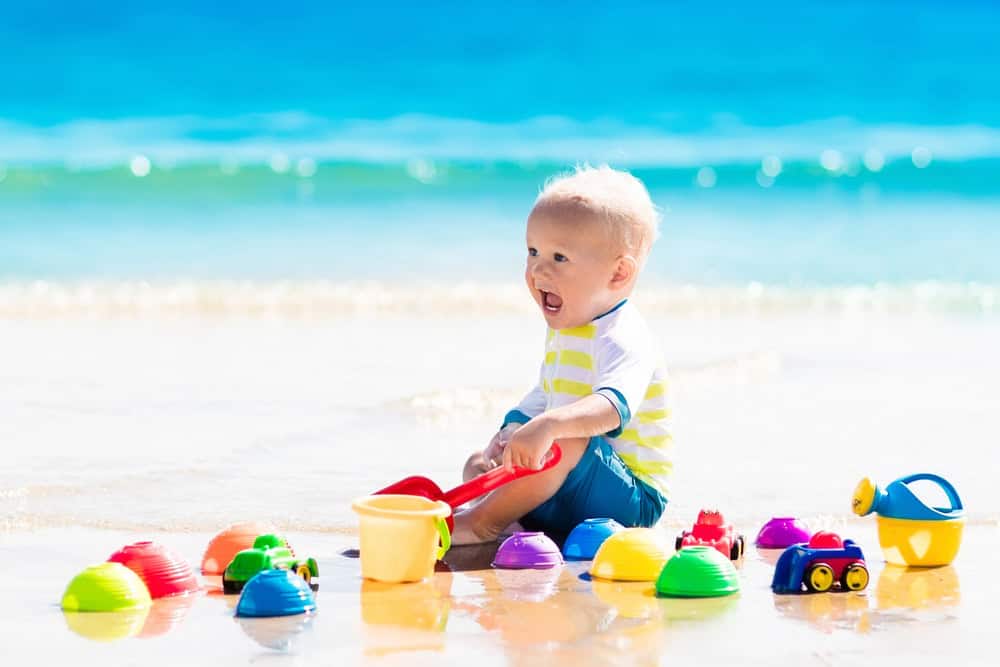
Some family destinations ask you to commit to one thing at a time. Long Beach gives you a tighter footprint. The aquarium sits on the downtown waterfront, lunch is nearby, and a calmer beach stop can come later once your child has had a snack, a stroller reset or a nap.
That concentration changes the tone of the day. You spend less energy on constant transit and more on timing, which is usually what decides whether the outing feels smooth or ragged by 2 PM. The setting helps too.
The Aquarium of the Pacific has about 12,000 animals across more than 100 exhibits, which gives you plenty to work with, even if your child only locks in on a handful of favorites. Long Beach also has about 5.5 miles of sandy beach that the city monitors routinely for water quality, so the aquarium-plus-beach pairing is not forced. It is one of the more natural one-day combinations in Southern California for families with very young kids.
If you are staying overnight, this is also the kind of trip where less stuff helps. Having gear delivered to your hotel or vacation rental or renting a stroller or crib can make it easier to leave room in the car for beach items, snacks and the backup clothes you will actually use.
A Simple Aquarium + Beach Day Game Plan
The easiest version of this day usually looks like this: arrive early, do the aquarium while your toddler is freshest, eat lunch nearby, slow the pace on purpose and then decide whether the afternoon belongs to the beach, the stroller or a nap.
That order works well for many families because the aquarium asks more from your child. There is novelty, lighting, noise, walking and a lot to look at. Beach time, especially at a calmer spot, can be more open-ended and forgiving. Your child can dig, wade, snack and reset without needing to process quite so much.
A Long Beach With Toddlers Rhythm That Actually Works
Think in blocks, not minute-by-minute planning. For many families, two to three hours at the aquarium is enough, lunch should stay close, and beach time works best as a flexible add-on rather than a nonnegotiable second act.
That block approach gives you room to respond to the child in front of you. If your toddler is thrilled and regulated, you can stretch the aquarium a little. If they are fading sooner than expected, you can move to lunch early and protect the rest of the day.
It also works better for different travel styles. Families driving in from elsewhere in Southern California often benefit from the aquarium first because it reduces the chance of missing the best energy window. Families staying one night in Long Beach have more freedom to split the day, head back for nap time or turn beach time into the next morning instead.
If grandparents are joining, the same structure still works. It is easier to meet at the aquarium, spend the high-attention part of the day together and then decide at lunch whether everyone wants to continue to the beach or separate for a quieter afternoon.
In select markets, BabyQuip Quality Providers rent clean, safety-checked scooters, wheelchairs, walking aids and other mobility gear with delivery to hotels, vacation rentals, residences or airports. Check availability here: https://www.babyquip.com/mobility-rentals. Same day delivery may also be available. This may be a good option if grandparents are joining you!
Morning at the Aquarium: What to Prioritize
Start with the aquarium if you can manage the morning logistics. The aquarium is open daily from 9 AM to 6 PM, and reservations are required on weekends and holidays, which is one more reason to treat the morning as your anchor rather than something you fit in later.
Once you are inside, resist the urge to cover everything. Toddlers do not measure success by completeness. They measure it by connection, repetition and whether the pace keeps them curious rather than overloaded.
This is where parents often make the day harder than it needs to be.
If you want a deeper guide to what to see first, these aquarium exhibits tend to work best for toddlers. If your bigger question is whether you should aim for opening, mid-morning or post-nap, this breakdown of the best time to visit the Aquarium of the Pacific with a toddler will help you match the visit window to your child’s actual rhythm.
Keep your first pass selective. Pick a few high-interest stops, plan for pauses and assume your child may want to revisit one favorite area instead of moving forward in a straight line. That is normal toddler behavior, not lost momentum.
Arrival logistics matter more than they seem, especially if you are carrying swim gear for later. The aquarium’s official parking page notes that the recommended parking structure is located on the water side of Shoreline Drive between Chestnut Place and Aquarium Way, with a validated rate of $8 for the day, which tells you a lot about how easy or hard the first transition can feel. If you want the fuller arrival strategy, these parking and stroller tips for the aquarium are a better place to get specific.
A realistic walking expectation helps, too. Many toddlers can handle the aquarium well when the visit has shape, but even enthusiastic kids can lose steam fast if adults keep extending the route while they are there. Leave while the day still feels good, and you will protect the second half.
Lunch and Reset Time Near the Waterfront
Lunch is not an intermission. It is the bridge that either keeps the day steady or lets it slide.
After the aquarium, proximity usually wins. Shoreline Village is within walking distance of the aquarium, and the downtown waterfront has enough casual dining nearby that you do not need to turn lunch into another destination. With toddlers, the best lunch is often the one that happens before everyone gets too hungry to recover gracefully.
Aim for efficient, not ambitious. A quick lunch can be the right call if your child is still doing well and you want to preserve time for the beach. A sit-down meal makes more sense if grandparents are with you, the baby needs a calmer feed, or the whole group needs a longer reset before deciding what comes next.
The most useful question at lunch is not what we feel like eating. What does the next hour need from us?
If the answer is shade, a bathroom, slower service and a stroller parked beside the table, choose with that in mind. If the answer is speed because nap time is closing in, honor that instead. This is also where it helps to keep the beach plan flexible. A great lunch can be the thing that saves the beach stop, but a too-long lunch can also use up the last good energy window.
For a more detailed meal strategy, these family-friendly lunch spots near the aquarium can help you choose the style of stop that best matches the rest of your day.
Choosing the Best Beach Stop for a Toddler
The beach portion of this itinerary only works if you choose a beach that fits toddler reality. Calm water, easy setup, bathrooms nearby and a short visit matter more than finding the most dramatic shoreline.
For many families, Mother’s Beach is the most intuitive fit. The City of Long Beach describes Mother’s Beach as a family beach with gentle waves, a shallow swimming area and lifeguard supervision during peak periods. That is exactly the kind of setup that makes a post-aquarium beach stop feel possible instead of like one more big parenting task.
Bay Shore is another strong option when you want calm water but a slightly different feel. The city says Bay Shore is protected by the Alamitos Peninsula, creating calm waters year-round, which is useful for families with cautious toddlers, first-time waders or grandparents who would rather supervise in a quieter setting.
You do not need a long beach stop for it to be worth doing. Forty-five minutes of sand play and toe-dipping can be plenty after the aquarium. Some toddlers will stay happily for two hours. Others will dump a bucket twice, ask for snacks and be done. Build for the second child and enjoy the first if that is who shows up.
Check current beach conditions before you commit. Long Beach posts recreational water sampling updates and current advisories publicly, and that small planning step can help you avoid having to pivot in the parking lot.
If you want help choosing between beach options based on your exact family scenario, this guide to toddler beaches near Long Beach with calm water goes deeper without making this itinerary do all the comparison work.
How to Adjust the Plan Around Naps, Weather, and Energy Levels
This is where the perfect-looking itinerary either becomes useful or falls apart.
For toddlers who nap midday, you have three realistic choices. Do the aquarium early and keep the beach short. Do the aquarium, have lunch and then head back for a nap, treating the beach as a bonus. Or split the itinerary across two days and stop pretending one big day will feel relaxing.
For early risers, aquarium first is usually still the easiest path. You get the most focused attention window inside, lunch lands naturally, and the beach can become either a reward or a soft landing depending on how the day is going.
For post-nap kids, the tradeoff changes. A later aquarium visit can work, but you may have less margin for crowds, less time to wander and more pressure to keep the visit short. In that situation, a half-day plan is often smarter than trying to force both major stops.
If your toddler falls in love with the aquarium and doesn’t want to leave, pause before overriding that. A child who is deeply engaged may be telling you that the aquarium already gave the day its best memory. You do not have to pry them away just to prove you did the beach too. Sometimes the better move is lunch, a small waterfront walk and then back to your hotel or home.
Weather changes the math quickly as well. A windy beach, a gray morning or a fully rainy day does not mean the outing is ruined. It means the beach stop may not be the best use of energy. On those days, your best pivot may be an aquarium-centered plan, plus indoor activities in Long Beach that tap whatever emotional fuel your family still has left.
A late check-in day calls for honesty. If you are arriving with luggage, a toddler who has already sat in the car for hours and a dinner window closing in, use the half-day aquarium itinerary or save the full aquarium-plus-beach day for tomorrow. Shortening the plan is not settling. It is good trip management.
When to Turn This Into a Two-Day Long Beach Family Trip
Some families really can do this in one day and feel great about it. Others will enjoy Long Beach more if they stop trying to stack every good idea into one outing.
Turn it into a two-day trip when naps are still central, when you are traveling with both a baby and a toddler, when grandparents are joining and moving at a different pace or when your child tends to go all in on one attraction and then crash. Those are not edge cases. They are common realities of family travel.
A two-day version often looks cleaner. Day one becomes the aquarium, lunch and downtime. Day two becomes beach time with room for snacks, sand toys and a less hurried meal. You may also have more space for a weather pivot or a slower morning.
That overnight choice is often easier when you stay in an area that supports your actual routine, not just your sightseeing wish list. If you are deciding whether to stay near the waterfront, closer to beach access or in a quieter pocket that handles naps better, these areas to stay in Long Beach with babies and toddlers will help you think through the tradeoffs.
This is another place where BabyQuip can quietly make the trip smoother. If a one-night stay becomes more appealing once you know you can have a crib, feeding gear, toys or a stroller waiting for you, that is a real logistical advantage, not just a nice extra.
Common Mistakes That Make the Day Harder
The biggest mistake is overscheduling. Families often assume value comes from squeezing in everything. With toddlers, value usually comes from ending the day before everyone is fried.
Another common mistake is choosing the wrong beach for the wrong time of day. A beach that works for a dedicated morning may not be the right post-aquarium stop if it asks for a long setup, a long walk or a lot of patience from a tired child.
Parents also lose good energy by underestimating transitions. Parking, unloading, bathroom stops, changing clothes and getting a hungry toddler seated for lunch all take longer than they look on a map. Give those parts room, and the day will feel lighter.
The last mistake is refusing to split the plan when the signs are there. If your child is already done after the aquarium, you are not failing by calling it. You are paying attention.
FAQs About Long Beach With Toddlers
Is Long Beach Good for Toddlers?
Yes, especially if you plan around concentration rather than quantity. The aquarium, waterfront lunch options and calmer beach choices can combine into a day that feels age-appropriate without requiring constant driving.
Can You Do the Aquarium of the Pacific and a Beach in One Day With a Toddler?
Yes, many families can, but the pairing works best when you keep the aquarium focused, lunch close, and the beach flexible. Treat beach time as adaptable rather than guaranteed, and the whole day gets easier.
How Much Time Should You Spend at the Aquarium With a Toddler?
For many families, two to three hours is enough. That is usually long enough to see a few high-interest exhibits, build in short pauses and leave before attention and mood start dropping.
Which Long Beach Beaches Are Best for Toddlers?
Families usually look first at calmer-water options. Mother’s Beach and Bay Shore both stand out because their protected conditions make short toddler visits more manageable than a rougher or more exposed beach.
Where Should Families Stay if They Want to Do Both the Aquarium and the Beach?
That depends on whether you want walkable waterfront access, easier beach mornings or a quieter setup for naps and early bedtimes. If you are making this more than a day trip, choose your base around your family’s rhythm, not just the map.
What Should You Do in Long Beach With Toddlers if the Weather Changes?
If the beach falls off the plan, make the aquarium your anchor and keep the rest of the day simple. One indoor follow-up activity, an easy meal and downtime back at your hotel can still feel like a very good travel day.
Long Beach rewards families who plan for momentum, not perfection. If you are mapping out Long Beach with toddlers, the win is not checking every box. The win is building a day where the aquarium feels exciting, lunch feels easy, the beach feels manageable, and you still have enough margin left to enjoy the parts your child actually loves most.