

Key Takeaways
Ways to narrow the choice:
- Start with the task: Match the aid to the problem your loved one faces.
- Think about distance: Walking support and long outings need different tools.
- Verify fit and use: Check size, setup and safe operation before renting.
For broader caregiver planning, see mobility support for loved ones traveling or visiting family.
When an older parent is joining a family visit, vacation or special gathering, the real question usually is not which piece of equipment sounds best. It is what will help them stay comfortable, confident and involved in the parts of the day that matter to them. Mobility aids for elderly parents can support very different needs: a walker or rollator may make walking more manageable, a wheelchair may help with longer outings and a shower chair may make the bathing routine easier.
Start with the activity your loved one wants to keep doing, then narrow the equipment from there. Fit, setting, available assistance and the instructions for the specific item all shape the decision. If the need is new or follows an injury, surgery, hospital stay or a meaningful change in walking or balance, bring in the health care team or a physical or occupational therapist so the visit or travel plan can follow the guidance your loved one already uses.
Start with the task your loved one needs help with
Families often begin with the product question: “Do we need a walker or a wheelchair?” A more useful place to start is the moment your loved one wants to make easier. Maybe they want to move around a family home without feeling rushed, keep up with a museum afternoon or manage the morning routine with less strain. Asking “What is becoming hard?” keeps the choice connected to their experience instead of turning it into a catalog comparison.
That same task-first approach helps with travel and family visits. If you are still mapping the bigger picture, mobility aids for travel can help you think through distance, rest, assistance, bathroom access and the places where the equipment will need to work during the visit or trip.
When walking support is the main need

A walker may be worth exploring when your loved one still wants to spend much of the day on their feet and added support while walking is the main need. That might mean moving between rooms at a relative’s house, getting from a hotel room to breakfast or staying on their feet during a family gathering. The useful question is not whether a walker is “better” than another device. It is whether walking is still the activity they want to do and whether the specific walker can be fitted and used appropriately for them.
The National Institute on Aging notes that canes and walkers need to be the right size and used correctly, and it points to physical or occupational therapists as people who can help determine which device may be helpful and teach safe use. If you are uncertain about how much support your loved one needs, that guidance can give the visit or travel plan a better starting point.
Once a walker looks like the category worth exploring, let walker and rollator rental considerations handle the finer product questions. Here, the goal is simply to decide whether walking support matches the experience your loved one is trying to preserve.
When walking is possible, but rest breaks matter
A rollator is also a walking aid, but many models add wheels, hand brakes and a built-in seat. For someone who wants to keep walking through a long hallway, family outing or day away from home, having a place to pause may make that plan more workable without shifting the whole day toward seated mobility.
That convenience still has to match the person using it. Your loved one needs to be able to use the specific device as intended, including its brakes and turning behavior, while storage, folding size and the surfaces on the itinerary affect how practical it will be. If those details raise questions, a clinician or therapist who knows your loved one’s mobility can help keep a convenient feature from becoming the reason you choose a device that does not fit their needs.
When longer-distance seated mobility is the main need
A wheelchair becomes relevant when the bigger challenge is distance rather than the desire to participate. Your loved one may manage a few steps around a room but find that an airport, hotel, attraction, reunion or long family outing asks for far more walking than feels comfortable. Seated mobility can then help keep more of the day within reach instead of letting distance shape every decision.
Before choosing one, picture the actual day: who will propel the chair, when your loved one may transfer in and out, whether it fits through the spaces you expect to use and how it will travel between locations. Those practical details do more to shape the choice than the word “wheelchair” alone.
If seated mobility is becoming the main category, continue with wheelchair rentals for travel and family visits for the narrower rental and product-planning questions rather than trying to solve those details here.
When bathing is the main problem
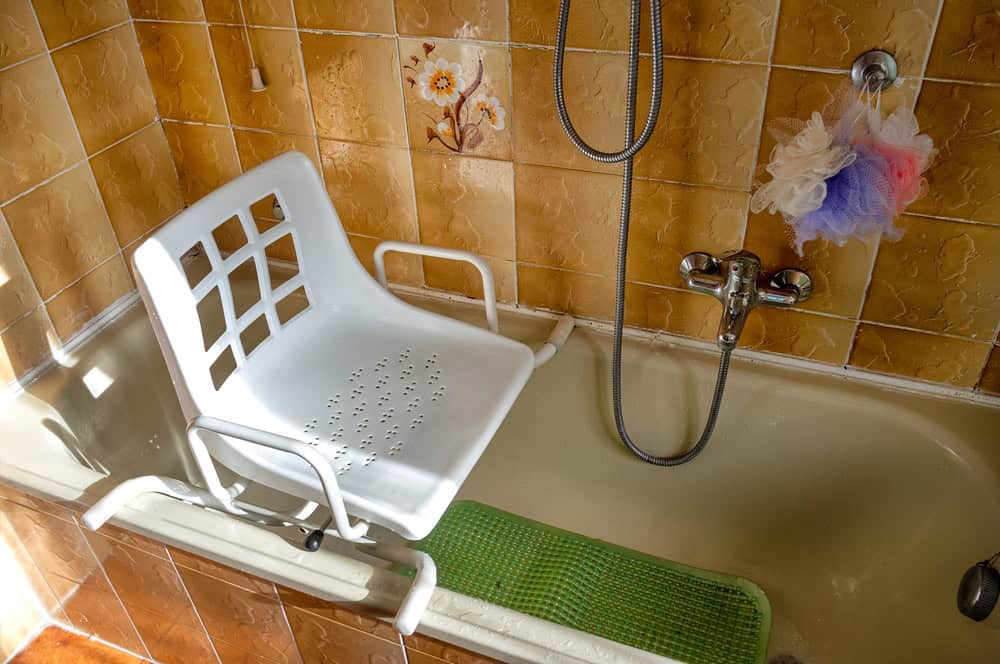
A shower chair solves a more private, specific problem. Your loved one may move around a house or hotel reasonably well and still find bathing tiring or difficult. In that situation, adding a walking aid would not address the part of the routine that needs support.
The bathroom itself matters as much as the product category. Look at the usable bathing area, how the shower or tub is entered, the product dimensions and the manufacturer’s instructions, then make sure the specific item is appropriate for the person using it. A rental photo can help you picture the setup, but it cannot answer those fit questions by itself.
For a deeper look at that category, use shower chairs and bathroom safety equipment for the detailed bathroom-equipment questions rather than turning this article into a full category comparison.
BabyQuip Insight
Mobility support works best when it helps your loved one stay part of the plan, not when the equipment becomes the plan. A shorter walk to dinner, a place to pause during an outing or more support with the bathing routine can each point to a different category, even when one caregiver is coordinating everything.
A practical way to compare the four categories
A first comparison becomes much easier when you connect each category to the moment your loved one is trying to make more manageable. Keep the choice flexible until you have checked fit, instructions and any guidance they already follow.
This is why asking which device is “best” rarely gets a family very far. These categories solve different problems, and your loved one’s plans, preferences and abilities should stay at the center of the decision.
Questions to answer before choosing mobility equipment for an older parent
Before you browse individual listings, talk with your loved one about what they want the visit or trip to feel like and what they most want to keep doing. The questions below help translate that goal into practical fit and logistics without making the equipment the center of the conversation.
What can your loved one do comfortably now?
Separate what your loved one can do comfortably now from what the visit or trip will ask of them. Walking from a bedroom to the kitchen is very different from moving through a large museum, just as managing most of the day independently does not mean standing through a full shower feels easy.
That distinction helps you support the part that is genuinely difficult without taking away the independence your loved one wants to keep.
Where will the equipment be used?
Picture the equipment in the places that will shape the day. Doorway width, turning space, flooring, bathroom layout, stairs, elevators and vehicle storage can all change whether a device is practical. For travel, think beyond the delivery address and include the hotel, vacation rental, family home and major outings.
If you are comparing assistive devices for elderly parents during a visit, this setting check can tell you more than a long feature list. The useful question becomes simple: will this item work where my loved one actually wants to use it?
Who will assist with the equipment?
The person using the equipment is only part of the logistics. A wheelchair that a family member will push creates a different plan from a walking aid your loved one will manage independently and loading a folded device into a car, moving it between floors or positioning bathroom equipment adds another layer.
Think about who will actually be present and what they can comfortably manage. If a task requires training or more physical assistance than a family member can safely provide, look for appropriate guidance rather than simply adding that responsibility to someone’s travel or hosting duties.
Is the need new or connected to a recent health change?
When the mobility change is recent, start with any guidance your loved one already has from their treating team. A fall, injury, surgery, hospitalization or meaningful change in walking or balance can change which support makes sense, so the equipment decision should follow that guidance rather than asking a rental listing to answer a medical question.
The CDC MyMobility Plan is built around planning for mobility and independence as people age, and the CDC explicitly notes that adult children and caregivers can use the tool with older parents, relatives or friends. That collaborative approach fits this decision well: whenever possible, plan with your loved one, not around them.
One person may need different support in different settings
Mobility needs do not always fit neatly into one device. An older parent might use a walker inside a family home, prefer a wheelchair for a long attraction day and use a shower chair in the bathroom. Someone else may need only one category for a short visit.
The answer is not to rent several items “just in case.” Start with the moments that create a real barrier, then decide whether one device covers them or whether two distinct tasks truly call for different support.
Simplicity matters for the caregiver, too. Every additional item needs space, storage and sometimes transportation between accommodations or vehicles. The simplest setup that genuinely supports the plan usually leaves everyone with less equipment to manage.
What to verify before you rent
Once you know which category deserves a closer look, the question changes from “What might help?” to “Will this specific item work for this person, in these places?” Product details can vary even within the same category, so a few targeted checks can prevent a promising idea from becoming an awkward fit.
A rental listing can help with dimensions, features and logistics, but it cannot resolve an individual fit or safety question. When something is unclear, use the manufacturer’s instructions and any guidance your loved one already follows from an appropriate health professional.
How BabyQuip can fit into the planning process
BabyQuip’s current mobility marketplace groups options into categories that include wheelchairs, walking aids and bathroom aids, with mobility products shown according to the destination and dates searched. Exact inventory, model, price, delivery arrangement and Quality Provider availability can vary.
The marketplace becomes more useful once the family has answered the human question first: what part of the visit or trip needs support? From there, you can focus on the relevant category and spend your attention on the details that affect fit, comfort and logistics rather than sorting through equipment your loved one may not need.
When you are ready to see what is currently offered for the visit or trip, explore BabyQuip mobility rentals using the destination and dates that apply to your plans.
For example, if your visit takes you to major destinations like Atlanta or Chicago, local Quality Providers offer clean, reliable mobility gear, including wheelchairs and mobility scooters, delivered directly to your hotel, vacation rental, or residence.
FAQs about mobility aids for elderly parents
Does my older parent need a walker or a wheelchair?
Start with the part of the day your parent wants to make easier. If they plan to keep walking and need support while doing so, a walker may be worth exploring. If longer distances are the bigger barrier, a wheelchair may be worth exploring. When the need is new, complex or connected to a medical change, let guidance from a clinician or physical or occupational therapist shape the equipment decision.
What is the main difference between a walker and a rollator for planning purposes?
Both support walking, but a rollator commonly adds wheels, hand brakes and a seat. Those features change how the device is handled and where it may fit into the day. Keep the detailed walker-versus-rollator decision in the product-specific comparison rather than trying to resolve every feature in this caregiver overview.
Can a person use a walking aid and a wheelchair on the same trip?
Yes. Different parts of a trip can create different needs, provided each device is appropriate for the person and used as intended. Before adding a second rental, make sure it solves a real problem and that your group can store, transport and manage it throughout the trip.
Is a shower chair the right choice if walking is not the problem?
It may be worth exploring when bathing is the task that has become difficult even though walking through the rest of the day is manageable. A shower chair does not replace walking support elsewhere, and the specific item still needs to fit both the bathing space and the person using it. Review product dimensions, manufacturer instructions and suitability before use.
How do I choose mobility equipment without taking over the decision for my parent?
Begin with what your parent wants to keep doing and which moments feel difficult to them. Then share the practical limits you are coordinating, from walking distances to bathroom layout or vehicle space, and make the choice together whenever possible. If a question moves into medical or safety-sensitive territory, bring in the health care team rather than asking either of you to guess.