

Key Takeaways
Details that shape bathroom planning:
- Measure the bathroom: Check entry, floor space and shower layout.
- Match the problem: Separate seated bathing from tub-entry needs.
- Verify the rental: Confirm fit, capacity, setup and handoff details.
Planning more than the bathroom? Compare mobility aids for travel.
When a parent, grandparent or other loved one is joining a trip or staying in your home, a comfortable bathroom routine can shape how settled the whole visit feels. Shower chair rentals for travel can be a practical option when sitting while bathing is already part of that person’s routine, or when the destination bathroom needs temporary support around an established need. The goal is not to add equipment for its own sake. It is to make the space easier to use so the traveler can focus on the visit rather than on working around the room.
The chair itself is only one piece of that experience. A setup that feels easy in one bathroom can crowd another, catch a shower door or complicate the path into the bathing area. Start with what the traveler is used to and the room they will actually use; once those two pieces are clear, the equipment decision becomes much less abstract.
When do shower chair rentals make sense for travel or hosting?
A temporary rental can make sense when the need is tied to a trip, family visit or short stay, especially if bringing a bulky bathroom aid would turn travel day into another packing problem. For a host, having the right equipment arranged before an older relative or another guest arrives can also make the home feel more ready for them from the start.
Rather than opening with, “Does this person need a shower chair?” think about the moment in the destination bathroom that may be difficult. Standing through the full shower, stepping over a tub edge, turning in a tight stall and moving from the doorway to the bathing area are different challenges. Once you name the part that is creating friction, you can narrow the equipment questions without making the bathroom plan bigger than it needs to be.
If the person already uses bathroom equipment at home, that familiar routine is the best place to begin. Any guidance they already follow from a clinician or therapist can travel with them too, especially around bathing, transfers or mobility, while you take care of the destination details around it.
BabyQuip Insight
A good bathroom plan should almost disappear once the visit begins. If the traveler can follow a familiar routine without everyone having to improvise around the room, the setup is doing its job. Aim for fewer surprises, not more equipment.
Start with the bathroom, not the equipment
Product lists can make planning feel productive because they give you something concrete to compare. For a trip or family visit, the bathroom often gives you better clues. Once you know how the person normally bathes and what the destination space allows, you can ask more useful questions about the equipment instead of starting with a category and hoping it fits.
Is standing through the shower the main problem?
If the traveler can enter the shower using their established routine but benefits from sitting while bathing, a shower chair or bath seat may be the category to investigate. From there, the question becomes less about the label and more about whether the specific chair fits the person and the space comfortably enough to work with the routine they already know.
A walk-in stall and a tub-shower can create very different constraints, even when both look roomy in photos. Pay attention to the usable floor area, the door swing or curtain, the controls and anything else that takes away space where a chair would need to sit.
Is getting over a tub edge the harder part?
A standard shower chair and a transfer bench address different parts of the bathing routine. A shower chair generally stays within the bathing area, while a transfer bench is designed around a different kind of entry. That distinction becomes useful when the tub wall or threshold, rather than standing during the shower, is the part shaping the plan.
If the tub edge is the sticking point, it may be worth comparing shower chair and transfer-bench options before choosing a category. That keeps the decision tied to the movement challenge you are trying to solve instead of the product name alone.
Does the bathroom have enough usable space?
Bathroom photos can be surprisingly unhelpful once real movement enters the picture. A room that looks generous online may offer much less usable space after the door, vanity, toilet, towel bars and direction of entry are taken into account.
When a few inches could decide whether a rental fits, measurements tell you more than broad descriptions like “accessible bathroom” or “large shower.” A hotel, vacation-rental host or family member may be able to share dimensions. If they can also send a quick photo with a tape measure in the frame, you get a much clearer sense of how the room will work before anyone arrives.
What should you verify before renting a shower chair?
Once you understand the room and the person’s familiar routine, the rental listing becomes easier to read with purpose. Shower chairs can differ in dimensions, weight capacity, armrests, backrest and adjustment range, so the details of the specific item matter more than the category name on its own.
As you compare a specific option, look for the details that will shape how naturally it fits into the stay:
- Seat height and any adjustment range shown for the specific product.
- Seat width, overall width and floor footprint.
- Weight capacity and other manufacturer limits.
- Whether the chair has a back, arms or removable components, if those details matter.
- How the legs or feet are designed to contact the shower or tub floor.
- Assembly or adjustment steps and the manufacturer instructions for use.
- Whether the item will need to be moved, stored or transported during the stay.
- The delivery, pickup or other handoff details for the actual reservation.
Once you are looking at a specific item, the details to check on a rental shower chair matter more than general category advice. Compare those details with the traveler’s established routine and any individualized guidance they already use so the plan reflects this chair, this bathroom and this person.
For a broader safety reference, MedlinePlus bathroom-safety guidance includes bath chairs or benches among the measures it discusses. It also suggests asking a health professional about an occupational or physical therapy referral when someone is unsure which changes are appropriate. That gives travel planning a useful lane: you can solve the room, timing and rental logistics while individualized recommendations stay with the person’s own care team.
How does travel change bathroom-safety planning?
At home, familiar equipment and a familiar bathroom can make the routine feel almost automatic. Travel puts the small details back in view: the room may be tighter than expected, the shower may have a curb, the equipment may arrive separately and anyone helping may be learning the setup at the same time. A little advance context can keep those differences from becoming the focus of the stay.
Hotels and vacation rentals
For a hotel or vacation rental, the room that matters is the one the traveler will actually use. A property-wide accessibility statement can be a helpful starting point, but it cannot tell you whether a specific shower, tub or doorway will work with a particular rental.
A short conversation about the room can save a lot of guesswork without turning you into a remote building inspector. Ask about the shower type and any curb or tub wall, usable floor area, the direction the shower door swings and the space outside the bathing area for approaching, turning or storing equipment when it is not in use.
You are not trying to document every inch of the property. You are trying to uncover the two or three physical details that could make the setup awkward or unusable, then settle those questions before arrival.
Family homes and visiting relatives
A family home can be second nature to the host and completely new to the person visiting. The host may move around a tight corner or narrow bathroom without noticing it anymore, while a guest following a different mobility or bathing routine may experience that same space very differently.
When an older parent or relative is coming to stay, a bathroom safety checklist before the visit can help you look at the room from their point of view. The goal is not to redesign the bathroom before they arrive. It is to notice the few details that could affect comfort, movement and the rhythm of the visit.
Temporary needs during recovery
Sometimes a long-planned trip or family stay overlaps with an injury, surgery or another temporary limitation. That can add a new layer to the logistics, but it does not mean every part of the trip has to become a medical decision. Keeping those two lanes separate can make the planning feel much more manageable.
Start with any guidance the person already has from a clinician or therapist, then let the travel plan solve the pieces around it, from bathroom layout and transportation to timing and equipment handoff. The same idea applies when arranging temporary mobility support for travel: support the trip with practical logistics while the person’s own care guidance continues to shape restrictions, transfers and device use.
Should you bring a shower chair or arrange one at your destination?
If the traveler already has a shower chair that fits well and bringing it is realistic, the familiarity may be worth the extra transport. They already know the seat height, adjustments and routine, which removes one variable when the rest of the environment is new.
Renting at the destination can be appealing when the chair is bulky, the need is temporary or a host wants the bathroom ready before the traveler arrives. It can also take one awkward item out of the travel-day equation. The tradeoff is that you will want to understand the specific rental and the room well enough that no one is counting on a fit that has not been checked.
Think about which kind of friction feels easier to manage for this trip. Bringing your own means packing, transporting and storing a familiar chair. Renting shifts that work to confirming the item, the bathroom, the dates and the handoff. There is no universally better option; the better choice is the one that makes this traveler’s stay simpler without creating a bigger logistics problem somewhere else.
What other bathroom equipment might matter?
A shower chair may address the main issue, or the bathroom plan may involve another aid the person already uses or has been advised to use. Depending on the established need and the room, a transfer bench, raised toilet seat, commode or another bathroom aid may come up. Availability and appropriateness can vary, so let the actual routine set the size of the equipment list rather than adding items “just in case.”
Keep each category tied to the problem it addresses. Seated bathing, tub entry, toilet height and transfers are different needs, even though they all happen in the same room. When the question moves from travel logistics to what is appropriate for the person, return to the individualized guidance they already have instead of trying to solve that part with a general checklist.
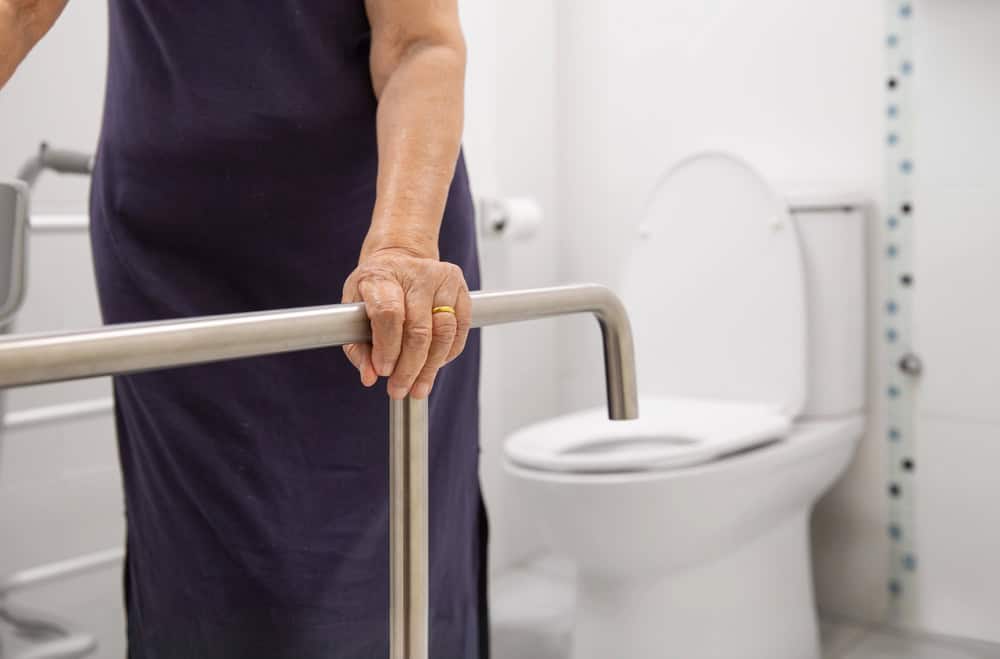
Installed bathroom features deserve the same careful look because familiar-looking objects are not interchangeable. A towel rack or improvised support is not a substitute for a grab bar. If installed grab bars or other accessibility features are part of the traveler’s routine, find out what is actually present before arrival so the plan is based on the room, not on an assumption.
Prepare the bathroom before the traveler arrives
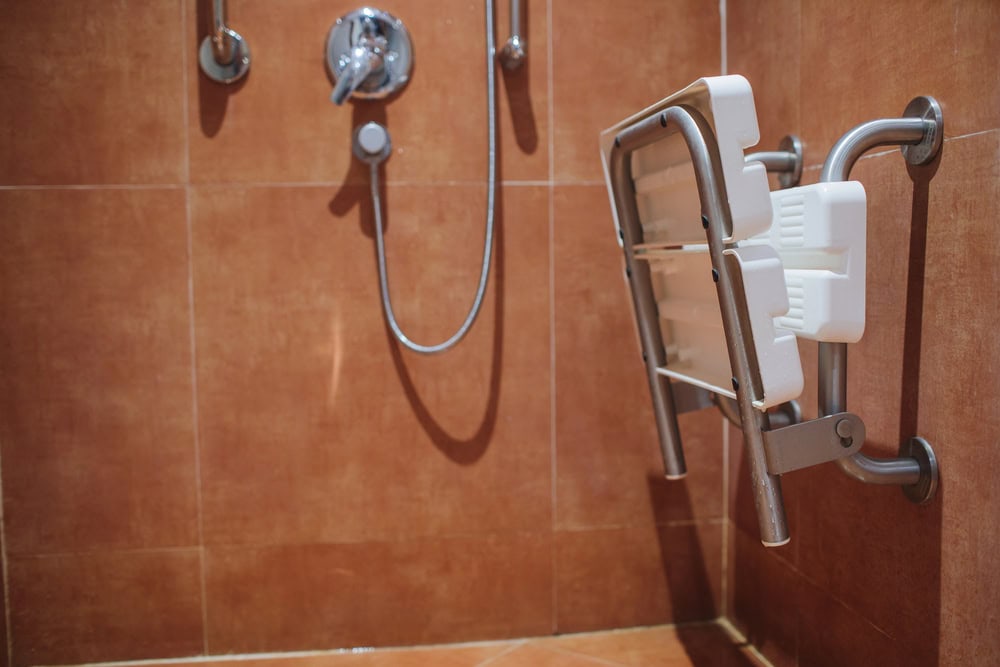
A little preparation can make the first use feel less rushed, especially after a travel day or when a guest is settling into an unfamiliar home. Before the traveler arrives, walk through the bathroom in the order it will actually be used and notice where ordinary clutter or tight clearances could get in the way.
- Confirm the traveler will use the bathroom you measured and discussed.
- Clear unnecessary clutter from the approach and the usable floor area.
- Place the rental where it can be reviewed without blocking the bathroom.
- Check the product listing, manufacturer instructions and any adjustment steps.
- Have the traveler or the person assisting review the setup before it becomes part of the routine.
- Keep the rental handoff, pickup or return details somewhere easy to find.
This walkthrough is where small conflicts often become obvious. The shower door may hit the chair, a bath mat may bunch under a leg or luggage and toiletries may make the room tighter than it looked when you measured. Sorting out those details ahead of time gives the traveler one less unfamiliar problem to solve when they are ready to use the bathroom.
How to check current shower chair rental options
Once the room and the traveler’s needs are clear, checking current availability becomes the easy part of the process. Listings may differ by product, Quality Provider and reservation, so use the live details for the destination and dates rather than planning around a generic shower-chair description.
When you are ready to compare what is currently offered, you can explore BabyQuip mobility rentals [NEED TO VALIDATE LINK OPPORTUNITY] using the measurements and features you have already identified. A specific listing is much easier to evaluate when you know which details matter for this traveler and this bathroom.
The best outcome is not the most elaborate bathroom setup. It is a room that works quietly in the background, respects the person’s familiar routine and leaves more attention for the reason everyone traveled or gathered in the first place.
Frequently asked questions about shower chair rentals for travel
Can you rent a shower chair just for a trip or family visit?
A short-term rental may be an option for a trip or family visit, which can be helpful when the need is temporary or the equipment is awkward to transport. Availability can vary by destination, dates, product and Quality Provider, so build the plan around what is shown for the actual trip rather than assuming a particular chair will be there.
What is the difference between a shower chair and a transfer bench?
A shower chair generally sits within the bathing area, while a transfer bench is designed around crossing a tub wall or similar entry barrier. The useful question is which problem the traveler is trying to work around. The bathroom, the specific product and the mobility guidance they already follow should shape that decision.
What should I measure before renting a shower chair?
Start with the usable shower or tub floor area, then note the entry width and any clearance affected by doors, fixtures or the toilet. A few concrete measurements are far more useful than a room description. Compare them with the exact product dimensions before deciding whether a particular chair fits the plan.
What if the person is recovering from surgery or an injury?
If the person is recovering from surgery or an injury, begin with the guidance they already have from their clinician or therapist about restrictions, transfers and device use. From there, you can handle the travel side of the plan: bathroom layout, product dimensions, delivery timing and how the equipment will fit into the stay.