


Choosing museums to pair with Millennium Park sounds simple until you’re standing downtown with a stroller, a fading toddler and a family that suddenly wants very different things from the next two hours. That’s why the best pairing usually isn’t the biggest name on your Chicago list. It’s the museum that still fits your child’s energy, your weather window and your willingness to add one more transition before the day tips from fun to too much.
If you’re planning a broader Chicago weekend with toddlers, this is where the museum question gets easier. You’re not trying to “cover Chicago.” You’re trying to choose one indoor follow-up that earns its place after the park. That changes everything.
Millennium Park works because it can be a real outing on its own. The official park planning information makes that clear. It’s central, accessible and easy to turn into either a full family morning or a shorter outdoor block before lunch. So when you add a museum, the smart question isn’t “What’s the best museum in Chicago?” It’s “What still fits this family today?”
How To Choose The Right Museums To Pair With Millennium Park
Start with the remaining bandwidth, not ambition.
After Millennium Park, most families are managing five quiet variables at once: how much walking the child has already done, whether lunch is late, whether the stroller still feels like a relief or a trap, how much sensory input the day has already carried and how willing everyone is to commit to another ticketed stop. Once you see the choice that way, the pairing becomes less about prestige and more about effort-to-reward ratio.
A good museum pairing usually falls into one of two lanes. The first is a nearby indoor complex that gives you structure, bathrooms and a calm shift in scenery without turning the rest of the day into a production. The second is a true half-day destination that deserves to be treated as the main event, with Millennium Park acting more like a short opener or decompression stop.
If your family still has energy but not patience, a shorter museum with easy entry and clear exit points will often land better than a famous attraction that requires a longer transit move and a more committed ticket window. If your child is energized by animals, climbing or push-button interaction, a visually rich but hands-off museum may look perfect on paper and fall flat in practice.
A Quick Guide To Museums To Pair With Millennium Park

Use this as your first pass before you decide:
-
Choose the Art Institute of Chicago family visit option when you want a short indoor refuge close to the park, and you value family amenities.
-
Choose the Chicago Cultural Center when you want a low-commitment, free indoor backup that still feels memorable.
-
Choose the Chicago Children’s Museum when your child needs hands-on play more than passive looking.
-
Choose Shedd Aquarium when animal excitement will carry the day, and you’re willing to treat it as a real destination.
-
Choose the Field Museum’s visiting-with-kids resources when you want a classic museum day with enough variety for different ages.
-
Choose Griffin Museum of Science and Industry amenities when science and interactive exhibits are worth a longer reach.
You can also choose none of them and still have made the right call.
Best Nearby, Low-Commitment Museum Pairings
The easiest museum pairings are the ones that don’t force the day to start over.
That’s why the Art Institute and the Chicago Cultural Center stand out. Both stay close to the park’s orbit. Both can serve as “we still have something left” choices rather than all-or-nothing commitments. For families with small children, that’s a real advantage.
The Art Institute Is Best For A Short Indoor Reset With Substance
If your family wants one strong indoor complement and you don’t want to travel farther than necessary, the Art Institute is the cleanest fit. Its family page highlights the details parents actually care about: a family restroom, an infant care space, stroller-friendly planning and guidance to keep the visit shorter if that’s what works for your crew.
That last part is why it pairs so well with Millennium Park.
The Art Institute doesn’t need to become an all-day art mission. You can enter with a narrower goal. Spend a modest amount of time indoors, let the adults enjoy the feeling of seeing something substantial and leave before your toddler starts treating every gallery as a hallway. For many families, that balance is better than chasing a more kid-obvious attraction that takes longer to reach.
It also works well on cold, windy or rainy days when the park still deserves a look but not a full outdoor block. If the weather is shaping your choices, our guide to Millennium Park in winter vs summer can help you decide whether this should be the add-on or the main anchor.
Is the Art Institute perfect for every toddler? No.
If your child needs to touch, climb, splash, press or move constantly, you may get a better emotional return from a museum built around interaction. But for families who want a nearby indoor option that feels calmer, smarter and more flexible than a full cross-city outing, this is the strongest pairing.
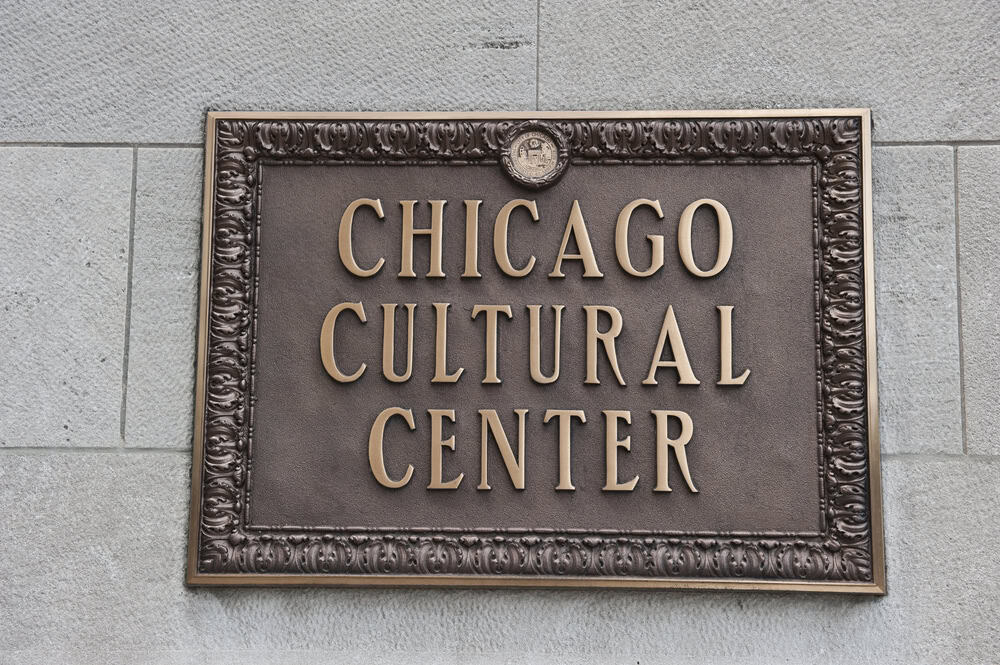
The Chicago Cultural Center Is Best For A Free, Flexible Backup
Some museum pairings fail because the family commits too early.
The Chicago Cultural Center solves that problem. The city’s official page makes clear that admission is free, and the building regularly hosts exhibitions and public programming, making it a useful indoor fallback when you want architecture, art and shelter without a big logistical ask. You don’t need to build the day around it. You can step in, enjoy the domes and galleries, regroup and move on. That low commitment is the point.
For cautious toddlers, overtired infants or families who have already used up most of their patience in the park, this pairing works because it doesn’t require much setup. There’s no pressure to justify the stop with a long stay. You can use it as a weather pivot, a quick cultural pause or even a reset window before food. If meal timing is already getting tight, our roundup of quick meals near Millennium Park for families is a more useful next step than pushing deeper into another attraction.
In other words, the Chicago Cultural Center is often the right answer when you don’t need more entertainment. You need a graceful indoor continuation.
Best Half-Day Museum Pairings For Families
Now for the museums that usually work better when you treat them as the day’s main commitment. These are still valid pairings with Millennium Park, but not in the “let’s just add one more thing” sense. They work best when the park is short, early or used as a loose bookend.
Chicago Children’s Museum Is Best For Hands-On Play
For toddlers and preschoolers, the Chicago Children’s Museum can be the most rewarding indoor pairing because it meets children where they already are. The museum’s babies and toddlers page and visit FAQ both point to age-appropriate exhibits, toddler-oriented spaces and stroller practicality, which matters when you’re deciding whether an indoor stop will truly work after a park visit.
This is not the best choice because it is closest. It’s the best choice when your child needs to do things rather than observe them. If Millennium Park gave you visual novelty and open-air movement, the Chicago Children’s Museum can give you structured indoor play. That pairing is especially strong on chilly days, on mixed-age family trips when the younger child needs a win, and on afternoons when adults know they don’t want to spend the rest of the day policing quiet voices.
The tradeoff is commitment. Navy Pier adds another layer of transit or walking tolerance, and that shifts it out of “quick add-on” territory. If you’re debating whether the move is worth it, that’s where Chicago transit tips for parents traveling with strollers become more helpful than another museum ranking.
Shedd Aquarium Is Best For Animal-Driven Excitement
Some children will happily keep going if the next stop has fish, penguins or belugas. For those families, Shedd is a strong same-day pairing because the energy pattern is different from that of an art museum.
The official planning page frames it as a full visit experience, and the ticket page makes clear that this is a paid, destination-style attraction with enough built in to fill serious time. That’s why it works best when you decide in advance what role Millennium Park will play.
If Shedd is your true indoor target, the park should probably be brief. Think of it as a photo stop, a stretch-the-legs block or a short outdoor transition before you head south. Trying to do a long park morning and then squeeze Shedd in as if it were a nearby lobby stop is where families get into trouble. The child who seemed energetic outdoors can hit a wall once lines, indoor crowds and exhibit pacing stack on top of one another.
Still, for older toddlers, preschoolers and siblings who light up around animals, Shedd often feels more obviously exciting than other options. That can make the extra effort worth it.
The Field Museum Is Best For A Classic Museum Day
The Field Museum sits in a middle category that many families will like. It is still a real destination, but its visiting-with-kids page and family resources show more family-oriented scaffolding than some parents expect, including kid-focused highlights and the Crown Family PlayLab for younger children.
That combination makes it a better pairing than many broad “top museums” lists admit.
Field work especially works well when you’re traveling with an age gap. Older siblings can get a genuine museum experience. Younger kids still have a few points of payoff. Parents who want one classic Chicago cultural stop without fully leaning into an aquarium crowd or a children’s museum-style environment may find this the best middle path.
The caution is familiar by now: it’s not a quick add-on. Museum Campus takes planning, and the museum itself invites you to stay longer than you intended. If your family is already fraying after the park, the better move may be to keep the day simpler and save Field for the attraction slot in a slower one-at-a-time Chicago itinerary.
Museum of Science and Industry Is Best When Science Is Worth The Extra Reach
The Museum of Science and Industry is the most emotionally and logistically demanding commitment on this list. That doesn’t make it a poor pairing. It just means the pairing has to be honest.
The museum’s official site and its amenities and accessibility information make clear that it supports longer visits with family services, accessibility resources and a broad attraction mix. For families with school-age siblings, adults who love interactive science or children who reliably engage with hands-on exhibits, that depth can pay off in a big way.
For a toddler-first family on a downtown day, though, it is rarely the easiest second stop.
Choose the Museum of Science and Industry when you’re deliberately building around it, not when you feel pressure to add more after Millennium Park, because the city seems full of possibilities. Chicago will still be there. Your child’s patience window will not.
Which Museums Work Best For Toddlers Vs. Older Siblings
Families often ask for the “best” museum when what they really need is the best fit for one particular age mix.
For toddlers, the Chicago Children’s Museum usually offers the clearest payoff because the interaction is immediate. Shedd can also work very well if your child is animal-motivated and can tolerate crowding, darker spaces and the stop-start rhythm that aquariums often create. The Art Institute is a better toddler pick when your real goal is a shorter indoor calm-down, not maximum child-centered entertainment.
The field sits in the middle. It can work for toddlers, but not because every corner is built for them. It works when the family wants a wider age span to feel satisfied and is prepared to curate the visit rather than wander until someone melts down. Griffin MSI often becomes more rewarding as children get older, become more curious and are more willing to stay at one indoor destination for longer.
This is where sibling dynamics matter. If one child is two and the other is eight, a children’s museum may delight one and underwhelm the other unless everyone is already aligned around play. If one child is four and intensely into animals, Shedd may give you the strongest shared yes.
If grandparents are joining and want a museum that still feels recognizably “Chicago,” the Art Institute or the Field may be a better fit than a more purely play-based stop. In select markets, BabyQuip Quality Providers rent clean, safety-checked scooters, wheelchairs, walking aids and other mobility gear with delivery to hotels, vacation rentals, residences or airports. Check availability here: https://www.babyquip.com/mobility-rentals. Same day delivery may also be available.
The best family decision isn’t always the one with the highest ceiling. It’s the place with the fewest likely friction points for your exact group that day.
When To Skip The Museum And Keep The Day Simple
Sometimes the smartest museum pairing is no museum at all. If the toddler skipped a nap, lunch is already late, the weather added stress, the stroller has become a negotiation, and every adult is quietly doing math about how long it will take to get back to the hotel, that is not failure. That is information. Millennium Park may have been the outing. Let it be enough.
This is especially true for families on a short weekend. You do not need to extract full value from every downtown block. In fact, trying to do that is often what makes Chicago feel harder than it is with little kids. A shorter park visit, an easy meal and a calm return can leave far more goodwill for tomorrow than forcing one more ticketed stop.
That’s also where a better room setup helps. A restful hotel afternoon, reliable sleep gear and a stroller that fits the day can change what feels possible. BabyQuip can help families rent items like cribs, strollers, high chairs and toys so recovery time feels like real recovery instead of dead time spent improvising around missing gear.
And yes, there are days when the best cultural decision is to go back for snacks and an earlier bedtime.
FAQs
What Museum Should Families Visit After Millennium Park?
For the easiest same-day pairing, the Art Institute is usually the strongest fit because it stays close to the park and offers family-friendly amenities. For a free, lower-pressure indoor stop, the Chicago Cultural Center is often the simplest choice. For a more immersive half-day outing, the Chicago Children’s Museum, Shedd Aquarium, the Field Museum or the Museum of Science and Industry can all work if you treat them as real destinations rather than casual add-ons.
Is The Art Institute Good With Toddlers?
It can be, especially for families who want a shorter indoor complement instead of a fully child-led attraction. The museum’s family visitor information points to a family restroom, infant care space and shorter-visit guidance, which makes it more practical with little kids than many parents assume.
What Is The Easiest Indoor Attraction To Pair With Millennium Park?
The Chicago Cultural Center is usually the easiest because admission is free, the stop can stay short, and it doesn’t require the kind of commitment that a larger museum day does. The Art Institute is the next easiest when you want something more substantial but still nearby.
Should You Do the Shedd Aquarium And Millennium Park In One Day?
Yes, but only if one of them stays brief. Shedd works best as the main commitment, with Millennium Park acting as a short opener, a quick walk or a decompressing stop. Doing both as full experiences in the same day can be a lot for families with toddlers.
Which Chicago Museum Is Best For Hands-On Play?
The Chicago Children’s Museum is the clearest answer for hands-on indoor play, especially for toddlers and preschoolers. The Museum of Science and Industry can also be excellent for interactive engagement. Still, it usually asks more of your day and tends to reward older kids a bit more consistently.
The right answer comes down to honesty. If your family wants movement, choose movement. If you want a calm indoor shift, stay close and keep the visit short. If you want one big museum day, build around it instead of squeezing it in. The best museums to pair with Millenium Park are the ones that match your child’s real energy, not the version you imagined before you arrived.