

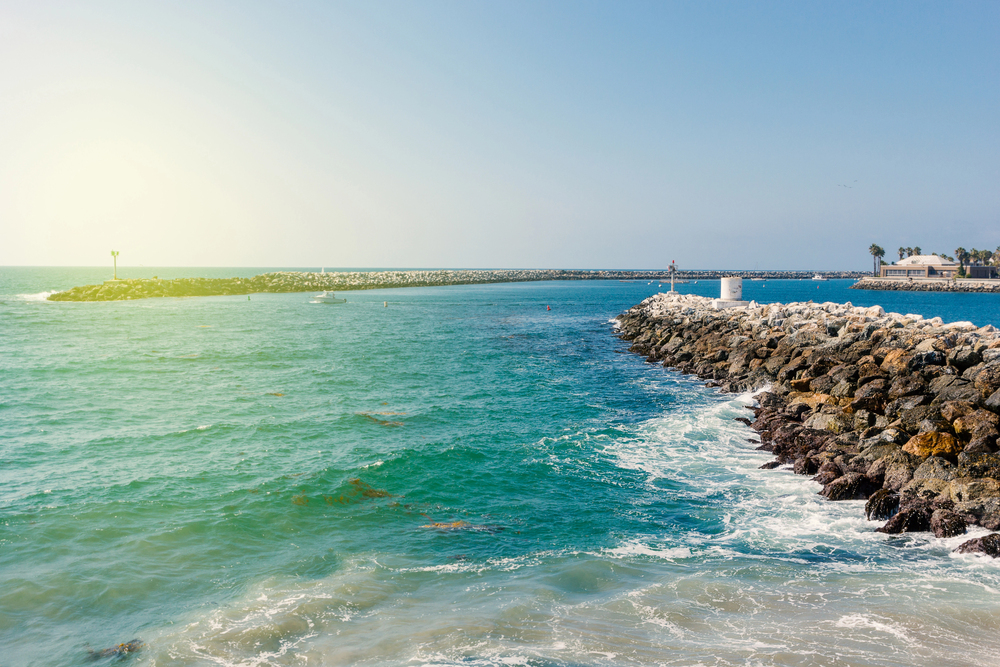
A one-day Redondo Beach itinerary works best when it feels easy to follow, not packed to the edges. With babies and toddlers, the win is usually a calm arrival, one strong activity, a well-timed meal, a low-effort second half and an exit before everyone’s patience runs out.
Redondo Beach gives families a helpful layout for that kind of day. The pier, harbor, lagoon, restaurants and walking areas sit close enough together that you can build a real outing without turning every transition into a production. If you’re still deciding whether this destination fits your family’s travel style, start with this broader guide to Redondo Beach with toddlers first, then come back here for the ready-made schedule.
Before you go, think of this plan as a flexible track. You can follow it closely, trim it down to half a day or shift the middle around naps. What you don’t want is a long list of stops that looks great on paper and feels like too much by 1:00 PM.
A great family day has fewer stress spikes.
A Realistic One-Day Redondo Beach Plan for Families
This itinerary is built around short transitions and predictable resets. The plan starts with arrival and parking, moves into waterfront time, uses Seaside Lagoon as the main activity when it fits the day, then finishes with a stroller-friendly wind-down instead of one more big attraction.
Before you pack the car, scan a Seaside Lagoon packing list so you’re not trying to solve towel, snack, diaper, dry-clothes and sun problems from the trunk. Families staying in a hotel, vacation rental or private home can also arrange baby gear through BabyQuip ahead of time, especially if a stroller, travel crib, high chair, toys or feeding gear would make the day easier from the start.
Here’s the simple version of the day:
8:45 AM to 9:30 AM: Arrive, park and get oriented
9:30 AM to 10:00 AM: Take a short harbor or pier-area warm-up walk
10:00 AM to 11:45 AM: Make Seaside Lagoon the main play window
11:45 AM to 12:45 PM: Change, dry off and eat
12:45 PM to 1:45 PM: Use the stroller for a reset or nap attempt
1:45 PM to 2:45 PM: Choose one gentle add-on
2:45 PM to 3:30 PM: Head out before the hard part of the day begins
That last line matters. For many families, leaving while the day still feels good is better than squeezing in one more stop and ending with a parking-lot meltdown.
Morning Start: How to Set Up the Day Well
Plan to arrive before the waterfront feels fully awake, especially if you’re visiting with a toddler who needs time to warm up. Redondo Beach offers public waterfront parking, and the City notes that thousands of spaces are available across structures, surface lots and on-street areas within the harbor area.
Parking early gives you more than a spot. It gives you room to unload, apply sunscreen, find bathrooms, transfer a child into the stroller and make one calm decision at a time. That slower start often shapes the rest of the day.
Once you’re parked, don’t rush straight into the biggest activity. Take 20 to 30 minutes to walk, point out boats or let your child snack while everyone adjusts. The Redondo Beach Pier is a South Bay landmark with waterfront dining, shopping and activities, but you don’t need to experience all of that in the first hour.
Use the morning walk as a pressure valve.
This is also when you decide whether Seaside Lagoon belongs at the center of your day. The City describes Seaside Lagoon as a fully enclosed saltwater lagoon with a waterslide, splash pad, play structures, sand areas, and picnic areas during its in-season operation. Families should confirm current dates and hours before building the day around it.
How This One-Day Redondo Beach Itinerary Starts Without Stress
A good start is practical. Keep the first bag easy to reach, put dry clothes in a separate pouch and make snacks available before your child is desperate. If you plan to rent gear, choose items that reduce carrying, waiting and improvising rather than items that add more moving pieces.
For babies, that might mean a stroller that reclines well, a portable sleep setup back at your stay or a compact feeding chair for meals before or after the outing. For toddlers, it might mean a sturdy stroller, a few familiar toys and enough snack structure to prevent the “too hungry to listen” window.
If Seaside Lagoon is part of your plan, use the timing advice for the best time to visit Seaside Lagoon before you lock in your arrival. A morning visit may suit many families, but the right window depends on your child’s sleep, hunger, heat tolerance and crowd sensitivity.
The best start is the one your child can actually handle.
Midday: Water Play, Lunch and Reset Time
If Seaside Lagoon is the main event, make it the first real activity rather than the third thing on the list. Toddlers do better with water play when they’re not already hungry, overheated or carrying the emotional leftovers of two previous stops.
Aim for a clear water-play block, not an open-ended swim day. Ninety minutes to two hours can be plenty for many little kids, especially when you factor in sunscreen, bathroom trips, snack requests and the time it takes to leave the water without drama. A shorter visit that ends well beats a longer visit that unravels.
Before your child gets in, set the rules in plain language. Where can they walk? Who are they staying near? What happens when it’s time for a break? Calm water can feel more manageable than surf. However, toddler supervision still needs to be close, active and intentional, which is why families should read up on water safety at Seaside Lagoon before the day begins.
The transition out of the water deserves its own plan.
Bring out the towel before your child is shivering. Offer a snack before the complaint spiral starts. Change into dry clothes before lunch if wet fabric tends to bother your toddler, or keep a cover-up handy if you’re moving straight to food.
Lunch should be close, flexible and forgiving. The point isn’t to find the most impressive meal near the water. The point is to avoid the dead zone where your child is too hungry to wait but too tired to sit. If you need options that match that reality, use this guide to easy meals near Seaside Lagoon when choosing whether to pack food, grab takeout or sit down nearby.
For babies, lunch may be more about feeding rhythm than location. For toddlers, it’s often about speed and control. Give them something familiar, keep expectations low and don’t turn lunch into the main event unless everyone has the stamina for it.
Afternoon Options Based on Your Child’s Energy
After lunch, resist the urge to start a second big day. This is where many family itineraries go wrong. The morning worked, everyone feels encouraged, and suddenly the plan expands right when kids are least able to stretch.
Choose the afternoon based on the child in front of you, not the day you imagined.
If your child still has happy energy, take a stroller walk near the pier or harbor. If your baby needs a nap, let the stroller do the work while another adult enjoys the view. If grandparents are with you, choose a route with benches, bathrooms and a short return path instead of a long scenic push.
This is where stroller walks near Redondo Beach Pier can save the second half of the day. A walk gives everyone something to do without requiring another ticket, another transition or another round of wet clothes. It also lets one child rest while another still gets movement.
When the energy is lower, stay even simpler. Walk to look at boats, get a drink, find shade or sit near the water for a few minutes. The City describes the broader Harbor and Pier area as more than 150 acres of land and water area, with recreation, parks, shopping and waterfront activity nearby, so you don’t need to manufacture fun from scratch.
Let the setting carry some of the day with it.
If your child is done, believe them. A quiet ride back, an early hotel return or a nap at your rental may be the move that keeps the day feeling successful. With little kids, the best afternoon option is often the one that protects dinner, bedtime and tomorrow.
A Grandparent-Friendly Add-On That Doesn’t Overdo It
Multi-generational trips work best when the plan gives grandparents something enjoyable without asking them to keep up with toddler speed all day. Redondo Beach helps here because you can choose add-ons that feel like sightseeing but don’t require a long drive or a demanding activity.
After lunch, try one easy add-on: a short pier-area wander, a shaded bench break, a slow harbor walk or a simple dessert stop if your child is still in good spirits. Keep the add-on close to your parked car or your next exit route.
Grandparents can join the fun without becoming the backup plan for every hard moment. If they want to help, give them specific roles: watching the stroller during a bathroom run, sitting with a baby during a snack, helping an older sibling choose a treat or walking slowly with the family while the toddler resets.
That clarity makes the day kinder for everyone.
If mobility is a concern, avoid plans that depend on “just a little farther.” Choose nearby views over ambitious routes. A grandparent-friendly Redondo Beach day should feel relaxed, not like a forced march with a stroller attached.
When grandparents join, comfort often comes down to pacing. In select markets, BabyQuip Quality Providers rent clean, safety-checked scooters, wheelchairs, walking aids and other mobility gear with delivery to hotels, vacation rentals, residences or airports. Check availability here: https://www.babyquip.com/mobility-rentals. Same-day delivery may also be available.
Backup Plans if the Day Goes Sideways
Every family itinerary needs a graceful exit strategy. Babies nap late, toddlers refuse lunch, shoes disappear, sunscreen battles happen, and water play sometimes ends with more tears than expected. A strong one-day plan doesn’t prevent every problem. It gives you an easy way to shrink the day without feeling like you failed.
Start by cutting the lowest-value stop first. In this itinerary, that usually means the afternoon add-on. Keep arrival, food, rest and the main activity. Let the extra walk, pier browsing or dessert plan go.
If Seaside Lagoon isn’t the right fit that day, switch to a stroller-forward waterfront plan. Walk, snack, look at boats, eat early and leave. Your child still gets a Redondo Beach outing, and you avoid forcing a water activity when the mood, weather or energy level isn’t there.
If your child naps late, don’t punish the schedule. Shift the day smaller. Arrive for a meal and a walk, or make the lagoon a shorter visit if hours and energy allow. The day can still work when you stop measuring success by how many boxes you checked.
If lunch falls apart, choose takeout or return to your stay. Wet, hungry toddlers don’t become easier because a restaurant has a nice view. Feed the child, reset the adults and decide from there.
If overstimulation occurs, reduce inputs quickly. Move away from crowds, lower your voice, offer water, find shade and stop asking big questions. “Do you want to walk, swim or eat?” can be too much. “Let’s sit here and have a snack” is easier to receive.
How to Adapt This Itinerary for Babies, Toddlers and Grandparents
The same Redondo Beach day can look very different depending on who’s coming. A baby’s schedule might revolve around feeding, shade and naps. A toddler’s day might revolve around movement, snacks and clean transitions. Grandparents may want comfort, views and a pace that doesn’t feel rushed.
For a baby, shorten the outing and protect sleep. Arrive early, use the stroller before the main activity and keep water play brief if you do it at all. The goal is not a full beach day. The goal is a pleasant waterfront outing that doesn’t undo the rest of the day.
For a toddler, plan the strongest activity before lunch. Use simple language, offer frequent snacks and build in a real exit after the second activity. Toddlers often do better when they know what’s coming: first we walk, then we play in water, then we eat, then stroller time.
For grandparents, reduce distance and add seats. Choose one main parking area, one main activity and one nearby meal. If the group splits for a few minutes, make the meeting point obvious and close.
For warm weather, make the day earlier and shorter. Shade, water, hats, dry clothes and a cooling reset after water play will matter more than squeezing in another stop. If heat makes your child irritable quickly, leave before the afternoon peak becomes the family memory.
For a half-day version, keep only three pieces: arrive, do one activity and eat. That’s enough. A half-day Redondo Beach plan might be a pier-area walk plus lunch, or Seaside Lagoon plus a quick meal before heading out.
For a child who melts down after lunch, front-load the fun. Put the main activity in the morning, eat early and make the car or stroller the afternoon plan. Some kids don’t need a fuller itinerary. They need adults who know when the good part is over.
What Families Should Skip When Kids Get Tired
Skip anything that adds a long transition. Getting back into the car, finding new parking or walking farther from your exit point can turn a small tired moment into a full reset problem.
Skip adult-focused browsing if your toddler is already done. A few minutes may be fine, but asking a tired child to tolerate slow shopping after water play rarely pays off.
Skip another sit-down stop unless everyone is calm. If the stroller is working, keep moving gently. If the car is the right answer, take it.
A one-day family itinerary is not a test of how much you can accomplish. It’s a plan for making a place feel doable with little kids. When you cut the right thing at the right time, you often preserve the day rather than lose it.
FAQs About a One-Day Redondo Beach Itinerary
Can You Do Redondo Beach in One Day With Toddlers?
Yes, Redondo Beach can work well in one day with toddlers when the plan stays focused. Choose one main activity, one easy meal and one low-effort reset instead of trying to cover every pier, beach, harbor and dining option.
A toddler-friendly day might include an early arrival, a visit to Seaside Lagoon or a calm waterfront walk, a simple lunch and an early departure. That rhythm gives your family a real outing without stretching the day past your child’s limit.
What Should Families Prioritize in Redondo Beach With Young Kids?
Prioritize timing, food, bathrooms, shade, stroller movement and a clear exit plan. Attractions matter, but logistics shape the mood of the day.
For many families, the best choices are those that reduce friction: easy parking, short walks, familiar snacks, dry clothes and a main activity that fits the child’s energy level. Redondo Beach has enough nearby options that you don’t need to force every idea into one visit.
How Early Should You Arrive?
Arrive early enough to park, unload and settle in before your first planned activity. If Seaside Lagoon is the focus, check current operating details first, then work backward so your child isn’t already hungry or tired when water play begins.
An early arrival also gives you more flexibility. If the first plan changes, you still have time for a walk, a snack, a meal or a shorter activity before the day gets away from you.
Is Seaside Lagoon Enough for a One-Day Trip?
Seaside Lagoon can be enough for many families, especially with babies, toddlers or grandparents in the group. A focused lagoon visit plus lunch and a short stroller walk can fill the day in a way that feels complete without feeling crowded.
If your child has a shorter stamina window, don’t add more just because the map shows more nearby. The lagoon can be the headline activity, and everything else can support it.
What Should Families Skip if Kids Get Tired?
Skip the afternoon add-on first. Then skip anything that requires new parking, long walking or another sit-down wait.
Keep food, rest and the easiest exit. When kids get tired, the smartest plan is usually the simplest plan.
How Do You Build Nap Time Into a Redondo Beach Day?
Build nap time into the day by protecting the stroller reset or leaving before nap becomes a fight. If your child naps well in a stroller, use the post-lunch window for a quiet walk near the pier or harbor. If your child needs a crib, make the outing shorter and return to your hotel, vacation rental or private home.
For overnight stays, BabyQuip can help families keep sleep more familiar with rental gear delivered to the destination. That can make the whole one-day Redondo Beach itinerary easier because the day doesn’t have to carry every nap, meal and comfort need on its own.
Make the Day Feel Good, Not Full
The best Redondo Beach day with little kids is paced, not packed. Arrive with enough time to settle in, choose one main activity, feed everyone before hunger takes over and use the afternoon for movement or rest rather than another big push.
That’s the heart of a one-day Redondo Beach itinerary: a calm sequence that respects how babies and toddlers actually move through the day. When you plan around short transitions, food timing, dry clothes, stroller resets and an early exit, Redondo Beach becomes much easier to enjoy with a small child on one hip and the rest of the day still ahead of you.