

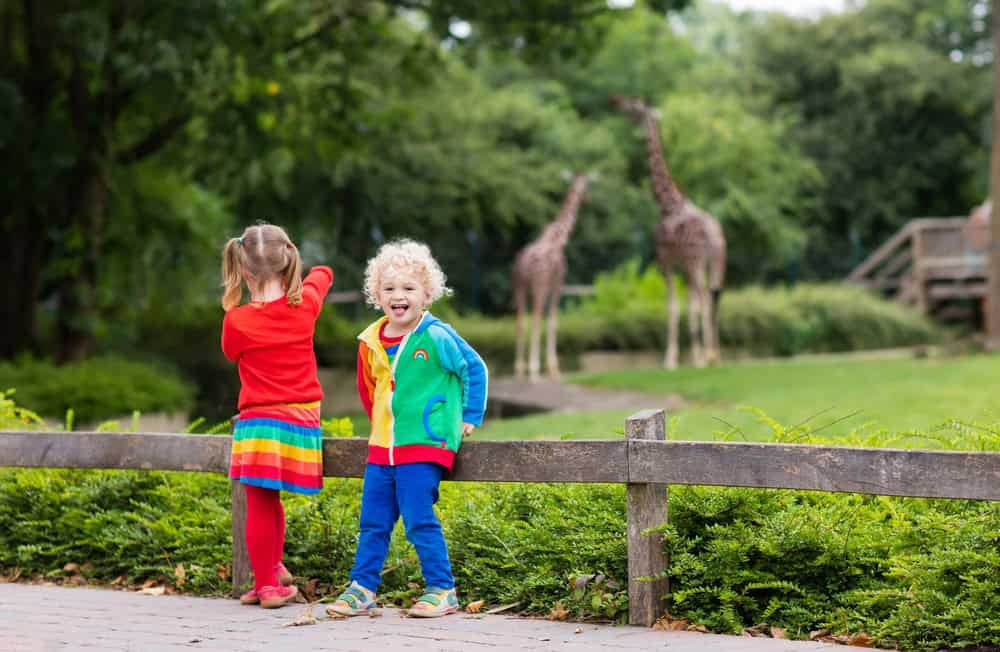
Planning the Orange County Zoo with toddlers sounds simple until you remember what really decides whether the day feels easy or frazzled. It isn’t just the animal list; it’s timing. The best visit window is the one that lets you meet your child before hunger hits, before the stroller becomes a battle, and before the park starts asking more of your family than your toddler wants to give.
That’s why the best time to go is not just about crowds. It is about rhythm.
The OC Zoo sits within Irvine Regional Park, and that setting enhances the outing. You get a zoo inside a large park, which means your family can think in half-day terms instead of all-day pressure. For most families, that is the sweet spot.
If you are still mapping out the bigger trip, start with Irvine With Toddlers: The Zoo-and-Park Vacation Parents Love. This article stays focused on one question: when should you actually go to the zoo feels fun for your toddler and manageable for you?
What “Best Time” Means When You’re Visiting the Orange County Zoo With Toddlers
Parents often hear “go early” and leave it at that. That advice isn’t wrong, but it is too flat to be useful on its own. The best time for your family depends on nap timing, snack timing, weather tolerance, how long your child can happily ride in a stroller and whether you are trying to pair the zoo with anything else.
A toddler-friendly zoo window has a few clear traits. Your child arrives fed but not heavy and sluggish. You start before they are already asking for a snack. You leave while they still have enough goodwill for the walk back to the car.
That last part matters more than many parents expect.
A visit can “work” on paper and still feel rough in real life if you stay past your child’s attention limit. On a zoo day like this, success usually looks less like squeezing out every possible minute and more like catching the strongest part of your child’s day. If you want help deciding what order to see things once you are there, the companion piece on the best Orange County Zoo route for strollers picks up where this article leaves off.
The Best Time of Day for Most Families
For most families, morning is the best answer.
The zoo is open from 10 AM to 3:30 PM on weekdays and from 10 a.m. to 4:30 p.m. on weekends, closes earlier on weekdays than on weekends and sits inside a park that can get busier as the day moves on. Morning gives you the most margin. Your toddler is usually fresher, the stroller feels more like support than confinement, and you are less likely to run into the late-day mix of hunger, heat and fading patience.
Why Orange County Zoo With Toddlers Usually Works Best in the Morning
Morning visits work because toddlers tend to do best before the day starts slipping. You are catching attention before it turns wiggly. You are catching curiosity before your child decides the most interesting animal is the snack cup in the stroller tray.
You also give yourself a cleaner exit. When a zoo opens at 10, you can arrive close to opening, make a focused loop and be heading toward lunch or a nap before the outing starts to drag. That leaves room for a calm rest period, a playground stop or an early dinner instead of a full-family reset.
The main exception is the child who wakes up slowly, naps early or truly rebounds after rest. Even then, the afternoon only works well when you treat it as a short, purposeful visit rather than a second shift.
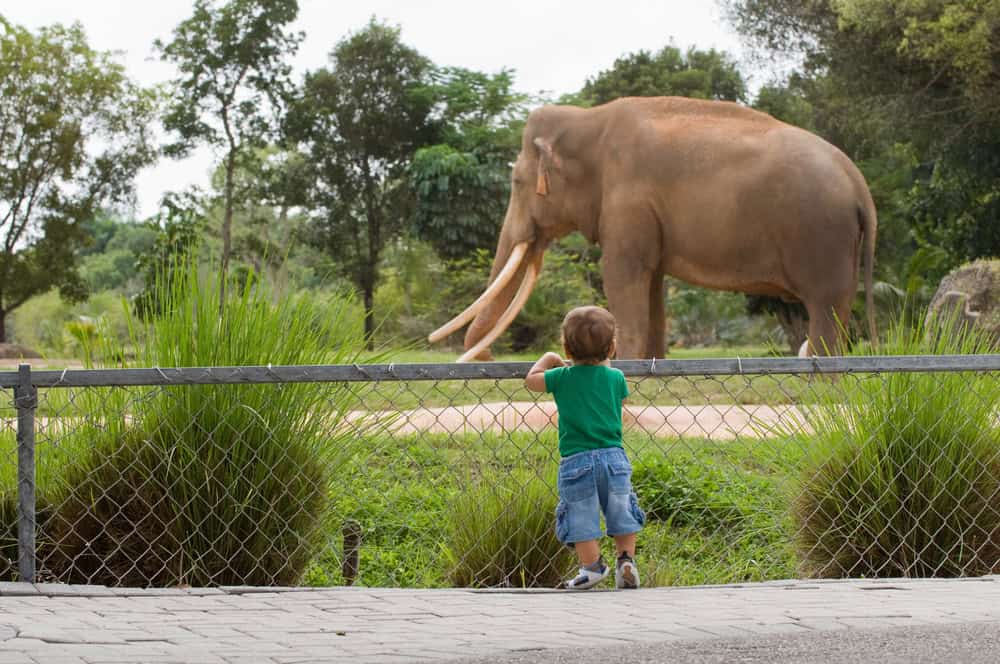
How to Plan Around Naps and Snack Windows
This is where timing gets personal. “Best time” changes with age, sleep pattern and your child’s tolerance for transitions.
If your toddler takes one dependable midday nap, the simplest plan is usually a morning zoo visit. Eat breakfast, leave enough buffer for parking and entry and aim to be done before the nap window starts to wobble. That makes the zoo the anchor event, not the thing you are squeezing into the hardest part of the day.
If you have a baby on multiple naps, you may have a little more freedom. Babies can sometimes roll with an outing that would irritate an older toddler, especially if the stroller ride itself is restful. Still, babies do not erase toddler math. If you are bringing both, plan around the older child’s best window first.
For families with a morning-nap toddler, the choice is trickier. A short post-nap visit can work if the weather is mild and your child wakes cheerful, but it usually helps to lower your ambition. Think one clean zoo loop, not a long park day.
A few sample patterns tend to work well:
-
Early-rising one-nap toddler: breakfast, arrive near opening, zoo first, snack on the way out, nap afterward
-
Baby plus toddler: morning zoo, stroller or carrier support for the baby, toddler-focused pacing, no extra stop unless the morning stays smooth
-
Grandparents joining: morning still wins, but move at a slower pace and build in more sitting moments
-
Mixed-age siblings: choose the younger child’s stronger window, then treat any add-on as optional
Snack timing belongs in this conversation, too. A toddler who arrives already edging toward hunger will often hit the wall faster than you expect. A small pre-zoo snack or an early in-zoo pause can buy you more peace than trying to power through. If you want a deeper food strategy, this snack plan for the Orange County Zoo covers what to bring and when to use it.
Weekday vs. Weekend: Which Is Better?
Weekdays are usually easier if your schedule allows them.
That doesn’t just mean lighter crowds. It also means a calmer feel around parking, entry and movement through the broader park. On weekends, Irvine Regional Park notes that it can close to vehicle traffic when parking reaches capacity, with closures typically occurring between 12 PM and 2 PM. If you are visiting on a Saturday or Sunday, that alone is a reason to start early rather than gamble on a later arrival.
Weekends do offer one practical advantage. The zoo stays open until 4:30 PM on Saturdays and Sundays, giving families a little more flexibility if they need an afternoon visit. But later hours aren’t the same as better toddler hours. Your child does not care that the gate is still open if they are already cooked.
So how should you choose?
Pick a weekday if you want the least-friction day. Pick a weekend if that is the only realistic option, then protect the outing by treating the opening time like your ally. Show up early, move through the highest-interest parts first, and leave before the middle of the day starts piling on extra stress.
Warm Weather, Shade and Seasonal Comfort
This is one of those outings where the weather can matter more than raw crowd level.
The good news is that the zoo sits in a park known for its heritage oak and sycamore trees, with shaded turf areas. The not-so-good news is that shade alone does not solve toddler heat fatigue. Stroller seats get warm. Snack tolerance drops. Walking feels heavier. Children who were content at 10:15 can feel very different by early afternoon.
That’s why warm-weather planning should be more about exposure than endurance. You don’t need to prove your family can handle the hotter part of the day. You need a visit window that keeps everyone comfortable enough to enjoy what they came to see.
In practical terms, that usually means this:
Morning is your best bet in late spring, summer and early fall. Shoulder-season afternoons can be more forgiving, but only if your child tends to wake well from naps and can handle a shorter outing without unraveling. On cooler or overcast days, you may have more flexibility. On bright, warm days, start earlier than you think you need to.
How Long Toddlers Usually Enjoy the Zoo
Parents sometimes assume that if they drove there, paid to get in and packed the bag, they should stretch the outing as long as possible. That instinct makes sense. It just does not always make for a better day.
The Orange County Zoo is focused on animals native to the southwestern United States, which is part of its charm for families with young children. You are not trying to conquer an enormous destination. You are trying to have a good outing.
For many toddlers, that outing lands in the 90-minute to 2.5-hour range. Some children are done sooner. Some can go longer if you build in snack pauses, stroller resets and a little walking freedom. But “longer” is not automatically “better.” Once attention starts to splinter, the zoo tends to feel smaller in the wrong way. You stop noticing animals and start negotiating every five steps.
A helpful rule is to leave on the first real downward turn, not the last possible minute. Signs include:
-
Your toddler starts asking to be carried after wanting to walk
-
The stroller suddenly feels unacceptable after being fine
-
Snack requests turn into bargaining rather than hunger
-
Every exhibit gets a faster, flatter reaction
-
You are already thinking about how hard the exit may be
That is often the moment to wrap it up and call the visit a success.
If your child still has energy afterward, a nearby playground can be a smart way to release it. If not, skip the add-on and head back for rest. That is exactly why our guide to playgrounds near the Orange County Zoo treats the second stop as a decision, not an obligation.
Sample Visit Windows for Different Family Schedules
Families usually do better with a sample rhythm than with a rigid schedule. Here are a few zoo windows that tend to work in real life.
The Classic Morning Window
This is the safest choice for most one-nap toddlers. Eat breakfast, arrive close to opening and treat the zoo as the main event of the morning. You get stronger energy, cleaner transitions and less risk that nap disruption will wipe out the rest of the day.
A rough shape might look like breakfast around 8 or 8:30, park entry with buffer, zoo from 10 to around 11:30 or noon and then a snack or simple lunch before heading back for rest. If you are turning the outing into part of a full weekend, this two-day Irvine itinerary shows how that rhythm fits into a broader trip without overscheduling.
The Short Post-Nap Window
This one is for the child who naps early or wakes in a genuinely good mood. It can work well in milder weather and on days when you know a shorter visit is enough. The key is not to expect “morning results” from an afternoon body clock.
Think focused, not ambitious. Choose a narrow zoo window, keep your route simple and do not add too much park time afterward.
The Baby-and-Toddler Compromise
If you are balancing a baby who can rest on the go with a toddler who cannot, morning still tends to give you the best combined return. Let the baby be portable if needed, but do not plan the outing around the assumption that both children will keep flexing forever.
This is also a good place to keep gear choices simple. If you are traveling and do not want to haul your biggest stroller from home, BabyQuip offers clean, safe and insured rentals and can deliver gear to hotels, vacation rentals and private residences. That makes it easier to match your setup to the trip instead of forcing the trip to fit the gear you happened to pack.
The Grandparent-Friendly Morning
When grandparents join, parents sometimes feel pressure to turn the zoo into a longer, slower sightseeing day. Slower is fine. Longer is not always better. A morning visit with more benches, more pauses and less rushing often lands better for everyone than an extended afternoon.
If longer park paths or the return to the car may make the morning feel too long, families may want to consider mobility gear. In select markets, BabyQuip Quality Providers rent clean, safety-checked scooters, wheelchairs, walking aids and other mobility gear with delivery to hotels, vacation rentals, residences or airports. Check availability here: https://www.babyquip.com/mobility-rentals. Same day delivery may also be available.
The hidden win is that you also protect the relationship energy. Nobody feels like they are dragging someone else through the hard part of the day.
When Afternoon Can Still Make Sense
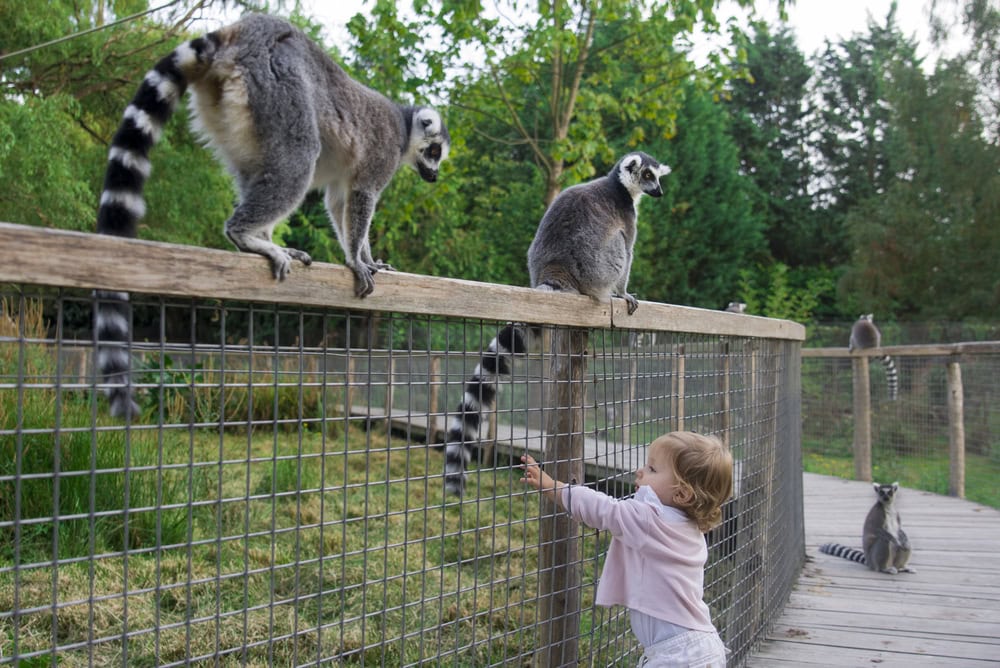
Morning gets most of the glory for a reason, but afternoon is not automatically wrong.
An afternoon visit can be the better choice if your child takes an early nap, wakes reliably cheerful and gets a second wind after rest. It can also work if you are in Irvine for more than a day and do not need the zoo to carry the entire outing. In that case, you can keep it brief, pair it with a very simple pre-visit meal and leave the moment the mood shifts.
Afternoon also makes more sense for some babies than for some toddlers. A baby who naps in motion and a toddler who can handle a compact outing after quiet time may do fine. A toddler who gets sticky, hungry and stubborn after 2 PM probably will not.
That is the real test. Not “can we make afternoon happen?” but “how does our child usually behave when the day has already been in motion for hours?”
Be honest with that answer, and the right choice often becomes obvious.
When the “Best Time” Is Actually No Zoo Today
Some of the best family travel decisions are made before you leave the room.
If the morning already went sideways, if the nap was short, if breakfast became a battle or if one sibling is plainly off, the best timing choice may be to skip the zoo that day. That does not mean the trip failed. It means you avoided forcing the hardest outing into the worst possible window.
Irvine works well for families because you do not need to cram every plan into one day. There are easier resets. There are breakfasts that can become the outing. There are park stops that ask less of everyone. There are low-key afternoons that preserve tomorrow.
That flexibility is part of what makes the destination work.
FAQ: The Best Time to Visit the Orange County Zoo With Toddlers
What time should you go to the Orange County Zoo with a toddler?
For most families, the best plan is to arrive close to the 10 AM opening time. That gives you the strongest toddler energy window and the most room to finish before hunger, heat or nap pressure starts building.
Is morning better than afternoon for the Orange County Zoo?
Usually, yes. Morning tends to be easier for toddlers because attention, mood and stroller tolerance are often stronger earlier in the day. Afternoon can still work for some children, but it is usually best as a shorter outing.
How long does the Orange County Zoo take with a toddler?
Many families do best in about 90 minutes to 2.5 hours. The right answer depends on your child’s age, pace, interest in animals and need for snack or stroller breaks.
Can you visit the zoo around nap time?
You can, but it works best when you plan clearly to one side of the nap rather than trying to hover in the middle. A pre-nap morning visit is often easiest. A post-nap visit can work if your child wakes well and you keep expectations modest.
Is the Orange County Zoo too hot in the afternoon?
On warmer days, the afternoon can feel much harder with toddlers, even though the park has shaded areas and mature trees. Heat tends to shorten patience, reduce stroller tolerance and make the exit feel longer.
Is it worth visiting with babies?
Yes, especially if you are treating the zoo as a calm half-day outing rather than a marathon. Babies often do well when the schedule stays simple and the toddler, if there is one, gets the stronger part of the day.
The Right Time Is the Time That Leaves Something in the Tank
The best zoo visit is not the one where you squeezed out the maximum number of minutes. It’s the one where your toddler got to feel curious, the grown-ups didn’t spend the whole time managing preventable problems, and the ride back didn’t feel like a reward for surviving.
For most families planning orange county zoo with toddlers, that means a morning visit, a realistic endpoint and enough flexibility to leave while the day is still going well. Get the timing right, and the zoo can feel easy in the best way. It can feel like the kind of outing you would gladly do again.