
A good snack plan for the Orange County Zoo does more than fill a tote bag. It shapes the pace of the whole visit. When babies or toddlers get hungry a little earlier than you expected, the problem usually is not the food itself. The problem is that hunger hits right as you need them to stay buckled, walk calmly, wait a minute longer or leave without a protest.
“We’ll just grab food there” sounds easy at home. It sounds easy in the car, too. Then your toddler is hot, distracted and one animal away from losing patience, and now you are trying to make a food decision in the worst possible moment.
That is why this article is not a packing list dressed up as advice. A strong zoo-day food plan helps you manage mood, transitions and energy without hauling half your kitchen through the gate.
If you are still building the bigger trip around this outing, the broader guide to Irvine with toddlers gives you the full zoo-and-park framework. Here, we are staying focused on one job: helping your family eat in a way that keeps the day moving.
Why Snack Timing Matters More Than Most Parents Expect
At the zoo, snacks are rarely about hunger alone. They are about preventing the bad overlap.
A slightly hungry toddler can usually keep going. A toddler who is slightly hungry, overstimulated and asked to transition at the same time is a different story. That is why food planning affects more than mood. It affects whether stroller time works, whether the next exhibit feels fun and whether leaving the zoo turns into a standoff in the parking lot.
This is also why the best food strategy often starts before the first snack comes out. If you already know your child fades late morning, gets wobbly before lunch or refuses food once they are overstimulated, build your visit around that pattern instead of hoping the zoo changes it. Our guide to the best time to visit the Orange County Zoo with toddlers digs into timing in more detail, but the short version is simple: do not wait for visible hunger if your child usually goes from fine to furious in ten minutes.
Food choices matter too. Some snacks buy you twenty calm minutes and a smoother transition. Others create sticky hands, crumbs in the stroller and one more reason your child feels uncomfortable.
The goal is not to bring the healthiest or cutest spread. The goal is to bring food your child will actually eat, in forms that travel well and do not create extra work.
How To Build A Snack Plan for the Orange County Zoo
Most families do best with one of three food models. Pick the one that fits your child’s nap timing, your drive, how long you want to stay and whether the zoo is the whole outing or just the anchor stop.
Snack-Only Zoo Visit
This works best when you are planning a shorter visit, your child has already eaten a real breakfast, and you want to leave before lunch gets complicated.
Think of this as a focused zoo window with mini refuels. You are not trying to serve a full meal on site. You are trying to keep energy steady long enough to enjoy the animals, take a short break and head out before the mood drops.
This model fits families whose toddlers do best in the morning, babies who will still need a bottle break and anyone trying to protect an early nap. It also pairs well with an easy breakfast stop before you head over. If you want help choosing a low-friction morning start, our roundup of toddler-friendly breakfast and coffee spots in Irvine can help you decide whether to feed everyone out or keep breakfast simple at your hotel or rental.
Picnic-Centered Zoo Visit
This works when the zoo is one part of a longer park day, and your family needs a proper reset in the middle.
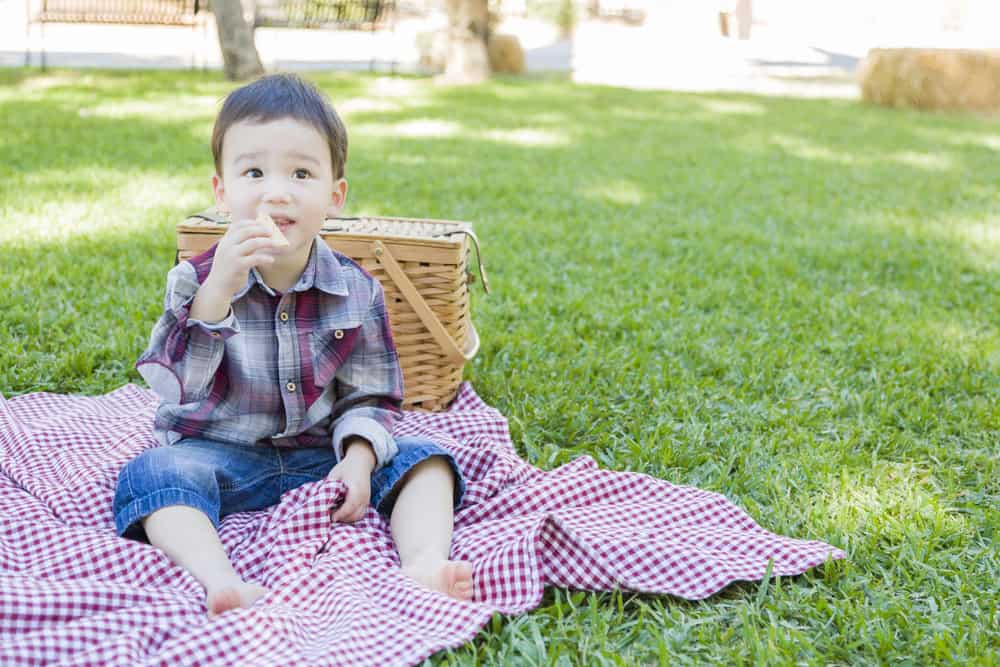
The OC Zoo sits inside Irvine Regional Park, which has picnic tables, barbecues and other first-come, first-served amenities. That gives families more room to pause than a zoo-only attraction usually does. A picnic-centered plan makes sense if grandparents are joining, siblings have different energy levels, or you know your child does better after a sit-down break that feels more like a real meal.
The catch is that a picnic only helps if it stays simple. If you need ten minutes of setup, a blanket, multiple containers and a full cleanup routine, you may create more friction than relief.
Zoo First, Meal After
This is often the smartest choice for families with a short zoo window and a child who falls apart when lunch gets complicated.
You feed breakfast well, bring one or two strategic snacks, do the zoo while interest is high and save the real meal for after you leave. That keeps your on-site bag lighter and your pacing cleaner. It also works well if your family is rolling into the rest of a larger weekend plan. If you are mapping the full trip, our two-day Irvine itinerary with naps built in shows how a zoo visit can fit cleanly into a broader day without turning lunch into a scramble.
So which model should you choose?
Use snack-only if your toddler handles short outings well, and lunch at the zoo would only slow you down. Use picnic-centered if the park itself is part of the fun and your crew benefits from a longer reset. Use the zoo first, meal after if your child refuses lunch when overstimulated, or you would rather end on a high note and feed everyone once you are back in a calmer setting.
The Best Toddler-Friendly Snacks for a Zoo Day
The right zoo snacks do one thing very well: they travel without becoming a project.
You want food that can sit in a stroller basket, get handed over fast and disappear without a sticky cleanup. You also want a mix of quick comfort foods and slightly more filling options, because those do different jobs.
Here are the kinds of snacks that usually hold up well:
-
dry cereal or puffs in a spill-resistant container
-
crackers or pretzels that do not leave a greasy residue
-
sliced fruit packed to avoid leaks or bruising
-
cheese in a form that stays manageable in your cooler setup
-
pouches for babies or toddlers who will still take them calmly
-
half sandwiches or simple roll-ups for older toddlers who need something more substantial
-
snack bars your child already knows and accepts
-
a familiar “transition snack” that you save for stroller resets, diaper changes or the walk back to the car
These foods buy time because they are easy to serve and easy to accept.
Now for the other category. Some foods create more mess than relief. Frosted pastries, chocolate-heavy snacks, sticky fruit leather in warm weather, drippy yogurt without a contained setup and anything crumbly enough to cover the stroller can all turn a quick pause into a cleanup stop. High-sugar foods early in the visit can also backfire if they spike interest for ten minutes and leave you with a bigger crash later.
You do not need a perfect balance chart. You need a bag full of things you can say yes to fast.
A Snack Plan for the Orange County Zoo When Lunch Usually Falls Apart
Some toddlers stop eating well the minute an outing gets exciting. They will happily ask for food, then reject the sandwich you packed because now they are busy watching goats, asking to walk or getting tired.
If that sounds familiar, stop expecting one neat lunch block.
Pack the day as a chain of small wins instead. Think first snack, bridge snack and exit snack. The first snack lands before your child looks hungry. The bridge snack shows up when attention fades or when you need a stroller pause. The exit snack stays untouched until you are leaving, driving back or trying to stretch the day to nap time.
This approach works especially well for kids who snack their way through outings and then eat a fuller meal later in a quieter setting.
What To Pack for Babies, Toddlers And Siblings
One toddler is one kind of packing problem. Siblings change the math fast.
For a baby, the question is usually the feeding setup. You need bottles, formula or pumped milk handled in a way that keeps breaks calm, not frantic. If your baby takes solids, bring one or two no-surprise options that fit the time of day, rather than trying to introduce a full outing meal. A bottle break or puree break may be less about calories than about giving everyone a reset.
For one toddler, think in categories:
-
One familiar snack your child almost always accepts
-
One snack with a little more staying power
-
One hydration plan you can manage without hunting for it
-
One backup item for the drive home
That is often enough.
For siblings, pack by role instead of by child when possible. Bring a shared dry snack, a more filling shared option and a separate emergency favorite for each child. That cuts bulk and still protects you from the meltdown that comes when one sibling is flexible and the other is not.
Age gaps matter too. A baby may need a true feeding break, while an older toddler only needs a quick bite and a sip of water. If you blend those needs into one big family lunch plan, you may end up feeding no one at the right time.
How To Time Snacks To Avoid Mid-Visit Meltdowns
The first snack should usually happen earlier than you think.
Do not wait until your toddler asks in a whiny voice, stops listening or suddenly sits down on the path. By then, the snack is doing repair work. Repair snacks are harder because your child is already dysregulated.
A better move is to offer something small before the slump. That might mean ten to fifteen minutes after entry if breakfast was light, or after your first cluster of exhibits if breakfast was solid. The point is to use food before hunger and fatigue stack up.
Location matters here, too. If you are using a stroller, plan snack moments around natural pauses rather than random desperation stops. Our guide to the best Orange County Zoo route for strollers can help you think through where breaks fit naturally into the visit, which matters more than many parents expect. A child who gets a snack while sitting on a calm bench or in a stroller pause usually does better than a child handed crackers while half walking, half protesting.
Use snacks to support transitions, not only to answer complaints.
Offer one before you ask your toddler to buckle back in. Offer one before you leave the barnyard if that is the part they will not want to leave. Offer one before the walk back to the car if you know the exit is often your hardest stretch. These are not bribes. They are part of the rhythm.
Hydration deserves the same treatment. A slightly thirsty child can look hungry, cranky or done. Keep water accessible, not buried. For many families, that means one easy-to-reach bottle for the adults and one child cup or bottle that is not tucked under three layers of backup clothing.

Easy Picnic Tips That Do Not Create More Work
A picnic can be lovely. A complicated picnic can ruin the mood.
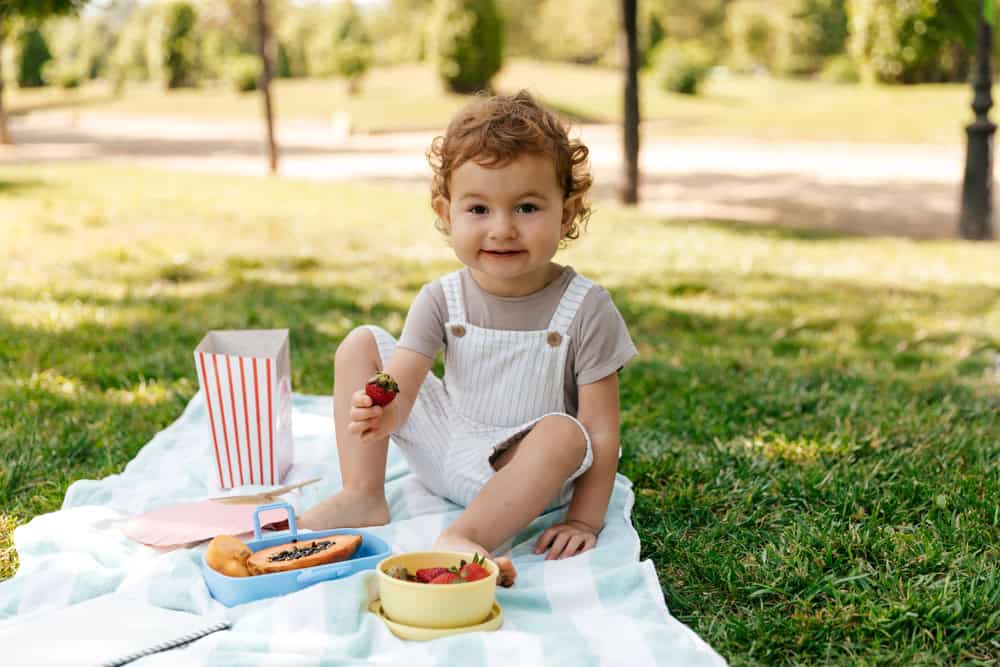
If you want a picnic-centered visit, keep the setup low-effort. Choose food that can be handed out in stages rather than assembled on site. Think sandwiches cut at home, fruit that is already washed and portioned and snacks that do not need a serving line. If you need a cooler the size of a carry-on, you may be packing for an idea instead of the outing you are actually having.
This is where many families overdo it. They imagine lunch as the reset that saves the day. Then lunch becomes its own job.
A better picnic plan usually has just a few parts:
-
One simple main item
-
One easy produce option
-
One dry snack
-
Water
-
Wipes and a trash bag
-
One backup snack that never joins the picnic spread
That is enough for most days at the zoo.
Before you commit to a big picnic or assume food access will work a certain way, check the current OC Zoo information, Irvine Regional Park details and the park’s rules. The park does have picnic facilities and food concessions, but hours and conditions can change, and your plan will go more smoothly if you confirm the current setup before you go.
Weekend timing matters here too. The park notes that vehicle access can reach capacity around midday on busy weekends, which is another reason not to build your whole day around a late arrival and a complicated lunch plan. If your family wants the picnic experience, get there with enough margin that eating feels like a reset, not a scramble.
If you are traveling light for a short stay, this is also one of those moments where BabyQuip can make the trip feel easier. Families who rent feeding gear, a better-suited stroller or sleep essentials for the room do not have to cram every “just in case” item into the car or suitcase, which makes zoo-day packing simpler too.
If grandparents are joining for the zoo and picnic, think about the walk between parking, tables, restrooms and the exit. In select markets, BabyQuip Quality Providers rent clean, safety-checked scooters, wheelchairs, walking aids and other mobility gear with delivery to hotels, vacation rentals, residences or airports. Check availability here: https://www.babyquip.com/mobility-rentals. Same day delivery may also be available.
What To Keep for the Ride Back or Nap Transition
Do not let the last snack be the last.
The ride back is where many families get caught. Your child held it together through the zoo, maybe through a picnic too, and now the adrenaline is gone. That is when you want one untouched backup snack and water still available. If nap is close, that snack may be tiny. If you have a longer drive or another stop to make, it may need to be more substantial.
This matters even more if your toddler tends to fall asleep in the car and wake up disoriented or still hungry. A familiar, easy snack can smooth that handoff. The same goes for babies who need a bottle break once the action ends and the quiet hits.
Grandparents often benefit from this plan too. When the day is slower and more leisurely, snack timing matters just as much. The difference is that the adults may be ready to linger when the toddler is ready to leave. Keeping one last calm snack in reserve helps everyone finish the outing with less friction.
If your zoo day is part of a larger Irvine weekend, think one step ahead. You may be heading back for a nap, to a playground stop or to your next easy meal. The parent-friendly win is not “we packed enough to survive anything.” The win is “we packed enough to keep the next transition from falling apart.” That is one reason this article pairs well with our guides to playgrounds near the Orange County Zoo and the full Irvine weekend overview. Food planning should serve the day, not take over the day.
FAQs About Zoo-Day Food Planning
Should You Bring Snacks To The Orange County Zoo?
For most families, yes. Even if you expect to buy something later, bringing your own snacks gives you control over timing, which is the whole point. Snacks are most useful when they prevent a problem, not when they arrive after your toddler is already melting down.
Is It Better To Pack A Picnic Or Eat Before You Go?
That depends on your child’s rhythm. Eat before you go if your family does best with a short, focused zoo visit. Pack a picnic if the park break is part of the day,, and keep setup simple. Plan to eat after lunch on site usually creates more chaos than calm.
What Snacks Are Best For Toddlers At The Zoo?
The best snacks are familiar, low-mess and easy to hand over fast. Dry snacks, simple fruit, easy dairy options, snack bars your child already accepts, and a backup transition snack usually work better than sticky treats or anything that needs assembling.
How Much Food Should You Bring For A Zoo Trip?
Bring enough for the visit you are planning, then add one backup snack for the unexpected delay, the drive home or the child who suddenly eats less or more than usual. Overpacking often leads to decision fatigue. A small, intentional kit works better.
What Should You Pack For A Baby At The Zoo?
Think feeding break first, not picnic fantasy. Bring the bottle or milk setup you know works, one or two solids if your baby is eating them and whatever makes that feeding pause calm and familiar. For many babies, predictability matters more than variety.
How Do You Avoid Snack-Related Meltdowns On Outings?
Offer food before visible hunger, keep water easy to reach and match the snack to the moment. Some snacks buy time. Others signal “we are pausing now.” Others help with the exit. When parents think that way, the snack plan for the Orange County Zoo starts doing exactly what it should: making the day feel easier, calmer and far more doable.