

Key Takeaways
Choose what supports the traveler and the trip:
- Keep familiarity where it matters: Bring a known device when fit, setup or everyday use is highly specific.
- Rent when transport adds friction: A destination rental can reduce bulky packing, vehicle-space pressure and repeated handling.
- Plan the handoff before travel: Confirm the item, availability, lodging access and delivery or pickup details for your dates.
Need the broader family-travel framework? Plan mobility support around the whole trip.
When a parent or grandparent joins a family trip, the goal is rarely “manage mobility equipment.” It is getting to dinner, staying for the museum afternoon or feeling comfortable enough to be part of the plans without mobility becoming the whole conversation. The same is true for someone traveling with a temporary limitation who wants to keep an important trip workable. That is where the practical question comes in: should you bring a familiar walker or wheelchair, or rent mobility equipment at your destination?
Bringing your own equipment keeps a known setup with the traveler from the moment the trip begins. Renting can spare the family from moving one bulky item through the airport, trunk, hotel transfer and every stop in between. Neither choice wins by default. The better plan is the one that supports the person while leaving enough room, energy and flexibility for the trip itself.
Start with the equipment you already know
For someone who uses the same mobility aid every day, familiarity can make an unfamiliar place feel easier to navigate. They already know how the device moves and feels, and the people traveling with them may know exactly how to fold, store or assist with it. That confidence can matter more than saving a little room in the car.
If a traveler relies on a particular fit, positioning, control setup or accessory, familiarity deserves extra weight. A rental may not be an interchangeable substitute for personally fitted or prescribed equipment. When a clinician, therapist or manufacturer has already helped shape the setup, let that guidance anchor the travel plan and consider rental only where it supports, rather than replaces, what already works.
Short-term or occasional needs can point in a different direction. If the equipment has a straightforward role and a suitable rental can be confirmed, having it meet the traveler at the destination can remove several travel-day handoffs without changing the support they need once the day begins.
Look at every place the equipment has to travel
Think about the equipment’s trip before deciding whether it should come along. A device that feels easy to manage at home may pass through a rideshare, airport, aircraft, rental car and hotel lobby before it ever reaches the place where it is needed. By then, one familiar item can have become one of the biggest things the family has moved all day.
The useful picture is the whole route, not only the room where the equipment will be used. Who will lift it? Does it fold easily? Will it fit beside luggage and car seats, and where can it stay overnight? If the itinerary includes several hotels or family homes, the repeated loading and unloading may shape the decision as much as the device itself.
When those handoffs start taking attention away from the people and the plans, a destination rental can lighten the journey. Travel day stays centered on passengers and luggage, while the equipment is arranged for the part of the trip where it will actually help someone participate.
Air travel changes the calculation
Air travel adds a few more logistics, but flying does not mean a traveler has to leave needed equipment at home. Under U.S. Department of Transportation rules, assistive devices do not count toward airline baggage limits, and devices that cannot be stored in the cabin can be transported in the baggage compartment at no extra cost.
Before departure, take a few minutes to review the DOT’s current guidance on assistive-device stowage, damage and delay, then check how the operating airline handles that specific device. That gives the family a clearer picture of what bringing the equipment will ask of them on travel day.
Those protections make it possible to travel with personal equipment, but they do not remove the logistics after landing. The device still has to fit into cars, move through hotel transfers and find a place to be stored. For some families, that is completely manageable. For others, those later handoffs are the point where renting at the destination begins to feel simpler.
Driving may make bringing equipment easier
A road trip can make the familiar option much more appealing. If the family vehicle has room and the equipment is easy to load, bringing it may add very little friction while giving the traveler the setup they already trust. The same device can feel different after a flight, when it must share a compact rental car with passengers and luggage.
Do not picture an empty trunk. Picture the car the way it will actually leave the airport or driveway, with suitcases, car seats, passengers and mobility equipment all competing for space. That quick reality check can prevent a last-minute cargo puzzle.
<
BabyQuip Insight
Start with the day you hope this person can have, not with the equipment itself. Maybe that means joining the full museum visit, staying for dessert or having enough support for an afternoon with the rest of the family. Once that experience is clear, work backward through the logistics. Sometimes bringing the familiar device gives the traveler more continuity. Sometimes renting one later in the journey saves the family from moving a bulky item through every earlier handoff. Either way, the equipment is serving the trip, not becoming the trip. .
When renting at your destination can make the trip easier
Renting at the destination can be especially useful when the equipment matters for one part of the trip, takes up a disproportionate amount of transportation space or would otherwise be handled again and again before it is used. It can also make sense when the support someone wants for a long outing is different from what they rely on during an ordinary day at home.
On a multigenerational trip, this decision sits alongside pacing, lodging and who will be available to help. Multigenerational travel mobility planning can help families think through those pieces together, so one equipment choice does not have to carry the weight of the whole trip.
You need the equipment for only part of the trip
Someone may be comfortable moving through the airport with assistance but want a wheelchair for a large attraction. A grandparent staying with relatives for a week may need bathroom support at the house, not during the journey there. Renting can keep the equipment where it helps most without making the family transport it through every earlier stage of the trip.
Vehicle space is already tight
If the trunk is already full of suitcases, car seats and the family’s other gear, one mobility device can change the entire vehicle plan. A destination rental may preserve that space, especially when bringing the equipment would otherwise mean choosing a larger vehicle mainly to carry it.
The trip has a fixed home base
Trips with one steady home base often make rentals easier to coordinate. A week at the same hotel, vacation rental or family home gives everyone a consistent place to receive, store and return the equipment. That predictability can be helpful when the rest of the itinerary already has plenty of moving pieces.
The need is short term
Some needs last only as long as a trip, visit, event or temporary limitation. When buying another piece of equipment does not make sense for that window, renting can match the support to the time and place where it will be used.
When bringing your own equipment may still be the better choice
Convenience only helps when the traveler still feels comfortable and well supported. If someone depends on a particular device every day, knows its setup well or needs features that may be difficult to match, bringing it can offer more continuity from the first travel day through the last.
- The equipment is personally fitted or highly customized.
- The traveler depends on the device continuously, including during transit.
- A suitable rental cannot be confirmed for the destination and dates.
- The family vehicle can carry the equipment without creating a storage problem.
- The traveler is more confident using their own familiar device.
- Manufacturer or clinician guidance points toward keeping the traveler’s existing setup.
The trip also does not need one answer for every item. A traveler might bring the walking aid they use every day and rent a wheelchair for a long outing, or bring a personal wheelchair while arranging bathroom equipment at the destination. Treating each need on its own can preserve familiarity where it supports confidence and remove bulk where it adds little.
Compare the trip costs, not just the rental price
The rental price is only one piece of the comparison. Bringing equipment may affect vehicle size, luggage space or how much lifting and handling falls to the family. Renting adds a rental charge and a handoff to coordinate, but it may remove one bulky item from travel day. Compare the two complete trip plans, because the lowest sticker price is not always the plan that asks the least of the traveler or the people helping them.
Rental pricing and availability can vary by item, destination, dates and local Quality Provider, so a generic daily rate cannot tell you what a particular trip will cost. Look at the live rental option for your dates alongside the real transportation consequences of bringing your own equipment.
If bringing a device means reserving a larger vehicle only for cargo space, include that change in the math. If traveling with the person’s familiar equipment offers continuity that matters to them, that belongs in the decision too. The goal is not to prove that renting is cheaper. It is to see which complete plan supports the traveler with the fewest tradeoffs for this trip.
Match the rental decision to the type of equipment

Each piece of equipment changes the trip in a different way, so there is no reason to make one bring-or-rent decision for the entire packing list. Start with the person and the role the equipment will play, then look at where it will be used and what transporting it would ask of the family.
Walkers and rollators
A traveler who expects to walk but wants stability or a place to pause is planning for a different kind of day than someone who needs continuous seated support. When you compare walker and rollator options for travel, look at folding size, vehicle space and the features that matter on this itinerary. A rollator with a seat, for instance, can support rest breaks in a way a basic walker does not.
Wheelchairs and transport chairs
When a long walking day could make it harder for someone to stay with the group comfortably, compare wheelchair and transport-chair options for travel based on who will assist, where the chair will be used and how it will move between locations. The better fit is the one that supports the outing without adding transportation problems the family cannot comfortably manage.
Bathroom equipment
Bathroom equipment is a good example of a need that may begin only after arrival. If a traveler does not need a shower chair in transit, carrying one through an airport or fitting it into a vehicle creates work before the item provides any benefit. Before renting, make sure the bathroom layout and product details line up with the actual space.
Mobility scooters
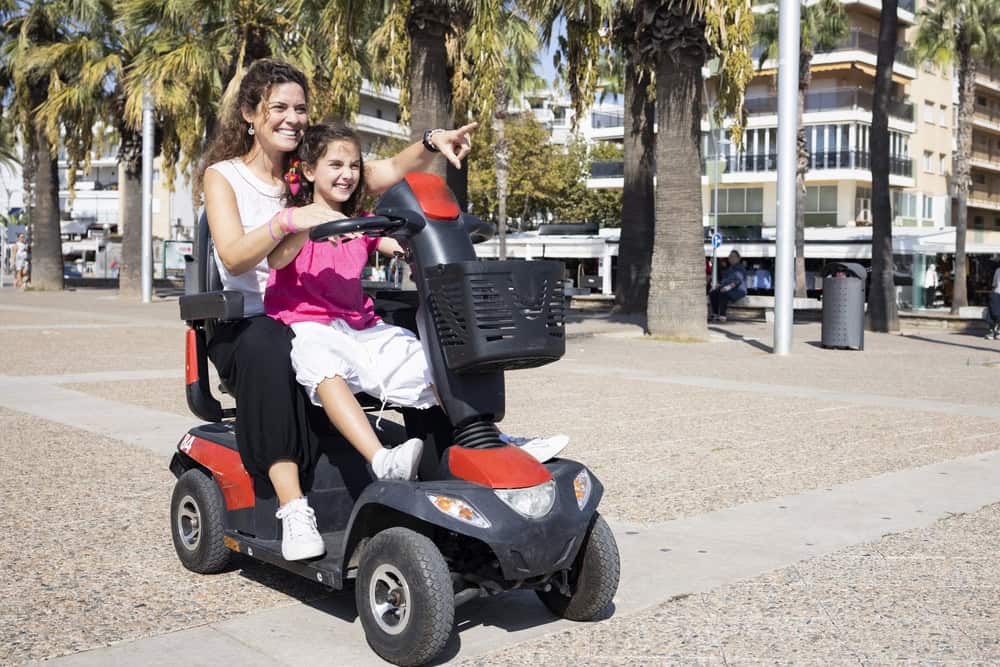
For someone who wants more independence over longer distances, mobility scooter rentals for travel can be worth exploring where available. BabyQuip is adding mobility scooter rental markets in phases through the end of the year, so availability still depends on the destination and dates. If a scooter will shape the itinerary, confirm the option first, then consider dimensions, charging, storage and how it will move between locations
If your travels are taking you to cities like Atlanta or Chicago, you can search specifically for local Quality Providers who can help you secure the right mobility equipment for your trip.
What to verify before you leave home without the equipment
Leaving a familiar device at home can make travel day lighter, but a vague plan to “rent one there” leaves too much to solve after arrival. Before the trip, make sure the destination option works for the traveler, the space and the itinerary. A few thoughtful checks at home can keep the equipment plan aligned with the day you have in mind.
- The exact equipment category and relevant product details.
- Current availability for the destination and rental dates.
- Fit, adjustment range, weight capacity or other manufacturer information that matters for the user.
- Folded dimensions or overall size when the equipment will travel in a vehicle.
- The delivery, pickup or self-pickup choices shown for the reservation.
- The lodging address and any access instructions needed for the handoff.
- Who will receive the equipment if the traveler is not present.
- Where the equipment will be stored when it is not in use.
- How the equipment will move between the hotel, family home, attractions, restaurants or events.
If the equipment needs to pass through a narrow doorway, fit inside a shower or travel in a particular vehicle, measurements tell you more than assumptions will. Checking the relevant dimensions before the trip can keep a confirmed rental from arriving in a space where it cannot do the job you expected.
Make the handoff part of the itinerary
A rental handoff works best when it has a clear place in the itinerary rather than becoming one more detail to sort out after arrival. Know the address, expected arrival window and contact person, and think through what will happen if travel timing shifts. When an outing depends on the equipment, leave enough breathing room to receive it and make sure everything is in place before the day moves on.
BabyQuip’s current mobility-rentals page notes that mobility gear can be delivered to destinations including many hotels and vacation rentals, while the exact options depend on the reservation and local availability. For a specific trip, the live booking flow is the place to see what is available and how the handoff can fit the family’s plans.
When the family is ready to compare live options, explore BabyQuip mobility rentals using the destination and dates for the trip.
A simple bring-or-rent decision check
If both choices still look reasonable, bring the decision back to two things: what helps the traveler feel supported and what the itinerary can realistically carry. These questions put both in the same frame:
- Is the equipment highly individualized or difficult to substitute? If yes, bringing it may deserve stronger consideration.
- Will the traveler need it continuously from home through the entire journey? If yes, bringing it may be simpler.
- Is transporting it creating vehicle, luggage or handling problems? If yes, investigate destination rental.
- Can a suitable rental be confirmed for the destination and dates? If no, keep the itinerary flexible rather than planning around an assumption.
- Will the equipment be used mainly at one hotel, home or destination? If yes, renting becomes more attractive.
- Does the rental fit the user, the physical space and the transportation plan? All three need to work together.
The answers may point to bringing familiar equipment, renting at the destination or using a little of both. What matters is that the person stays at the center of the plan. Once their comfort, preferences and needs are clear, the family can remove as much unnecessary handling as possible without trading away the support that makes the trip workable.
Frequently asked questions
Is it better to bring a wheelchair on a trip or rent one at the destination?
A personal wheelchair may be the better choice when familiarity, fit or continuous use matters more than the convenience of leaving it at home. Renting at the destination can make sense for a short-term or situational need when a suitable chair can be confirmed and transporting one would complicate the trip.
Can I fly with my own wheelchair or walker?
Yes. U.S. DOT rules protect assistive devices during air travel, including requirements around stowage and return. Since procedures vary with the device and aircraft, review the current DOT guidance and the operating airline’s process for the specific equipment before departure.
What mobility equipment is easiest to rent at a destination?
There is no single easiest category because local availability and the traveler’s needs both shape the answer. Wheelchairs, walking aids, bathroom aids and scooters support different situations, and options can vary by destination, dates and Quality Provider. Start with what the person needs the equipment to help them do, then check the live choices that fit that situation.
Can I bring some mobility equipment and rent other items?
Yes. A mixed approach can be one of the most practical ways to keep the trip comfortable and manageable. Someone might bring the walking aid they know best, then rent a wheelchair for longer outings or bathroom equipment for the lodging. Looking at each item separately can preserve familiarity without asking the family to transport more than the trip requires.