

Key Takeaways
Check these before your parent arrives:
- Check the route first: Make sure the bathroom is easy to reach and well lit.
- Inspect wet areas: Review the floor, tub or shower and where towels will go.
- Match support to the person: Use familiar aids and verify fit before adding equipment.
Coordinating more than the bathroom? Plan mobility support for a loved one.
When an older parent comes to stay, the bathroom is one of those small spaces that can shape how comfortable the visit feels. The useful question is not whether the room looks ‘senior-friendly.’ It is whether your parent can reach it, use the fixtures they expect to use and move through the space without unnecessary obstacles or surprises.
For a short family visit, start with what already feels familiar to your parent: how they move through a bathroom at home and any support they normally use. This checklist helps you spot straightforward temporary changes and recognize when a specific mobility or transfer question deserves individualized guidance. If your parent already follows advice from an occupational therapist, physical therapist or another clinician, let that guidance shape the setup rather than introducing an unfamiliar aid for the visit.
Start With the Route to the Bathroom
The bathroom starts before the doorway. Walk from the sleeping area and main gathering space to the room at the time of day your parent is most likely to use it, paying attention to the route as they would experience it. A well-arranged bathroom can still be frustrating to reach if the hallway is dark, cluttered or awkward to navigate with a walker or another mobility aid.
Once this route feels workable, keep the rest of the home planning in its own lane. Use the whole-home preparation plan for an elderly parent visit for the broader visit rather than trying to solve every hosting issue inside this bathroom checklist.
Check the Floor Before You Check the Fixtures
Bathrooms bring hard surfaces, water and tight spaces together, so the floor deserves attention before the fixtures do. Remove avoidable obstacles and think through how the room will stay dry during normal use. The CDC recommends reducing trip hazards, improving lighting and adding bathroom supports such as grab bars when appropriate. The National Institute on Aging similarly advises nonslip surfaces in areas that may get wet.
For broader home-safety recommendations, see the current CDC older-adult fall-prevention guidance.
More mats do not automatically make the room safer. A product that grips well in one location can create another edge for a foot or mobility aid to catch in another. Let the bathroom layout and your parent’s usual routine guide what stays on the floor, with the aim of making the space easier to read and move through.
Look Closely at the Tub or Shower Entry
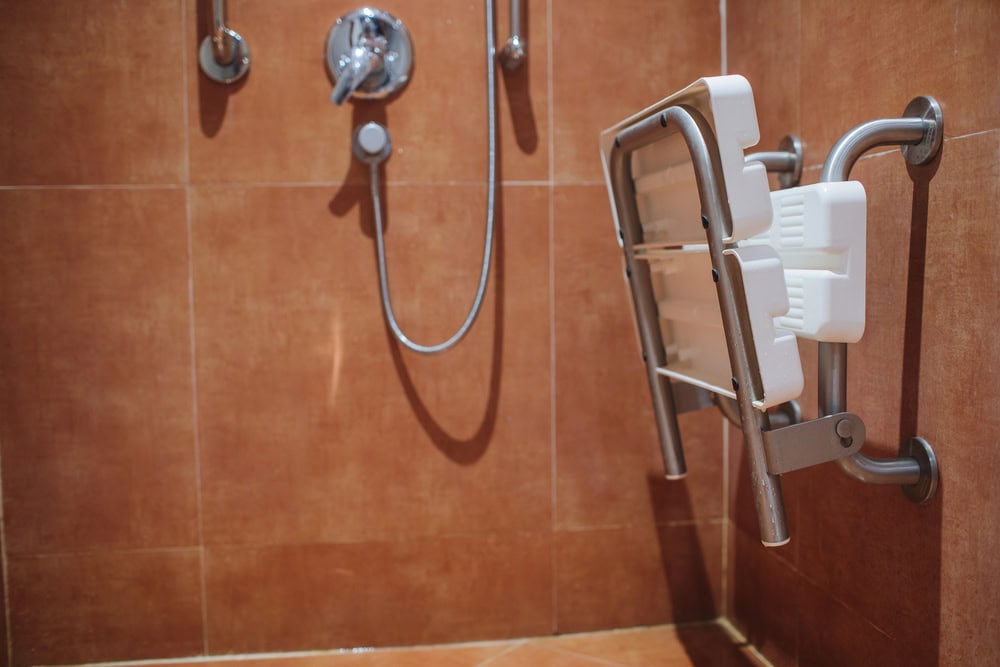
Stand at the tub or shower and picture the routine from your parent’s point of view: the step or threshold, the door or curtain, the available space and the path back out. Then ask how they normally bathe and whether a shower chair, bench or another aid is already part of that routine. Starting with what they know can make the rest of the setup much easier to plan.
MedlinePlus recommends nonslip surfaces, keeping the floor outside the bathing area dry and using a bath chair or bench when appropriate. It also notes that properly secured grab bars can provide support and warns against treating towel racks as grab bars.
If you want to review those recommendations while looking at the room, the full MedlinePlus bathroom-safety guidance is a useful reference.
If your parent already knows which bathing support works for them, use that familiar setup as the starting point. If the choice between a shower chair and a transfer bench has not been established, a generic bathroom checklist is not the place to make that equipment-fit decision.
When that comparison becomes relevant, use the shower chair versus transfer bench comparison. If transfer ability or medical instructions affect the choice, continue to follow the individualized guidance your parent already relies on.
Review the Toilet Area as a Separate Zone

Give the toilet area its own look rather than treating it as an extension of the shower zone. The floor, nearby fixtures and available support points may be different, and a setup that feels simple to you may not match the way your parent normally approaches or uses the toilet. Ask whether they rely on a particular toilet height, rail, grab bar or other support at home.
If the setup your parent relies on at home cannot be recreated in this bathroom, bring that specific question to an occupational therapist, physical therapist or another appropriate clinician before improvising. A short visit is usually easier when it works with an established routine instead of asking your parent to learn a new one.
Make Nighttime Bathroom Trips Predictable
A bathroom that feels straightforward at noon can be much less intuitive at 2 a.m., especially in an unfamiliar home. Before the visit, walk the route in low light and notice what your parent will actually encounter. Is the hallway switch easy to find? Does the bathroom light create glare? Has luggage or furniture narrowed a path that looked clear during the day?
The goal is predictability. Your parent should not have to relearn the route each time they use the bathroom, especially at night. Keeping the path and the placement of familiar items consistent can make the room feel easier to navigate without creating an elaborate new system for a short stay.
Separate Temporary Aids From Permanent Modifications
A family visit may call for temporary support, but that does not automatically mean permanent home modifications. Grab bars, structural changes and other installed accessibility work involve installation and load requirements that sit outside the scope of a travel or hosting article.
For a temporary visit, build around what your parent already uses or has been advised to use. If a shower chair or another bathroom aid is part of that plan, compare the specific product with the actual room before booking. Dimensions, seat height, capacity and configuration can affect fit, and those practical details matter more than adding equipment simply because it appears on a generic checklist.
If a familiar bathroom aid is part of the plan, BabyQuip’s shower-chair and bathroom-aid rental overview can help you understand the rental category while keeping the fit decision grounded in your parent’s existing needs.
BabyQuip Insight
When you are hosting someone you care about, it is easy to keep adding ‘just one more’ change to the bathroom. A calmer approach is to protect what already feels familiar: one bathroom that works, one clear route to it and the supports your parent already knows. Before adding anything new, ask whether it solves a real friction point or simply gives them another unfamiliar object to work around.
Your 10-Minute Bathroom Walkthrough
Before your parent arrives, give the finished setup ten quiet minutes. Walk it the way the visit will actually unfold and use the checklist as a reality check, not as a promise that one bathroom can fit every mobility need.
If that final conversation surfaces a new concern, solve the concern rather than automatically adding more equipment. The easier answer may be another bathroom, a small change in placement or a product detail that needs confirming. When the question involves transfers or a mobility issue specific to your parent, bring it back to the professional guidance they already follow.
If your parent already uses a shower chair or bathroom aid and bringing it is inconvenient, short-term rental may be worth comparing. Start with the familiar support, measure the space and review the exact listing. BabyQuip lists bathroom aids in its mobility rentals; availability, pricing and delivery vary by destination, dates and Quality Provider. Explore BabyQuip mobility rentals.