

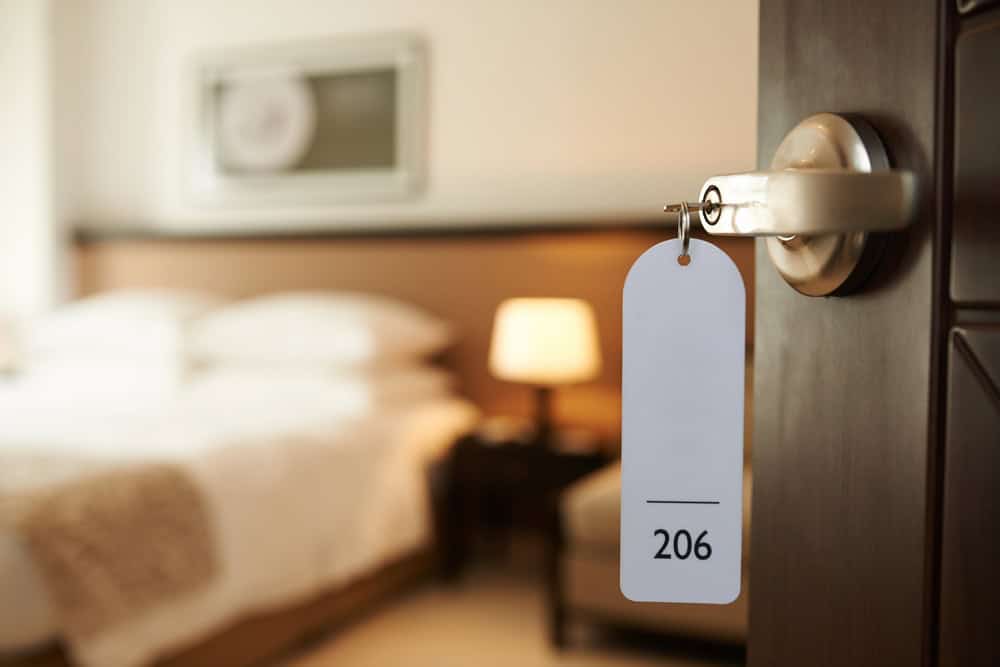
A Waikiki hotel room for infant and toddler sleep can feel impossible at 2 PM when one child is overtired, the other still has sand in their swimsuit, and you’re staring at one room, one crib and one set of blackout curtains that never quite meet in the middle. That’s the moment this article is for.
If you’re planning the larger trip rhythm, start with Waikiki with Babies and Toddlers. This piece goes narrower. We’re not talking about broad sleep advice or dreamy resort life. We’re talking about room engineering. Because that’s what usually saves the day.
A good setup gives you a place for naps that doesn’t collapse the second someone opens the bathroom door. It gives your toddler a clear cue that bedtime is real. It gives adults a way to keep the evening alive without treating the room like a museum exhibit after 7:15 PM.
The Biggest Sleep Challenges In A Waikiki Hotel Room
The hard part is rarely just sleep itself. The hard part is shared space.
In Waikiki, families often come back to the room already a little spent. Mornings run bright and active. Kids have been outside, in strollers, near the beach or moving from hotel to hotel in a rhythm. By nap time, the room has to do many jobs at once. It has to cool everyone down, hold a feeding or snack reset and become quiet enough for real sleep without becoming so fragile that no one can move.
That tension is where most hotel sleep problems start.
A baby may fall asleep just fine, then wake 28 minutes later because parents are unzipping bags, a balcony door slides open, or the room never got dark enough. A toddler may get spooked by the unfamiliar layout and spend bedtime noticing every lamp, mirror and blinking charger. Siblings can set each other off even when both are tired. Adults start whispering, then shuffling, then accidentally creating a room that feels tense instead of calm.
You don’t solve that by making the setup more elaborate. You solve it by making it more intentional.
The goal is not perfect silence or nursery-level conditions. The goal is a room that tells each child, as clearly as possible, where sleep happens, where awake time happens, and what stays consistent no matter what the day looks like outside.
How To Create A Waikiki Hotel Room For Infant And Toddler Sleep

Start with the sleep zone before you unpack anything else.
That means you walk into the room and decide, right away, where the crib or toddler sleep space will live. Do not wait until bedtime, when everyone is cranky, and the floor is covered in swimsuits, room-service trays, and charging cords. Pick the darkest, least trafficked part of the room first. Then build the adult zone and the daytime zone around it.
For infants, keep the fundamentals steady. The safest setup is still a firm, flat sleep surface designed for infant sleep, with a fitted sheet only, just as AAP safe sleep guidance recommends. A baby who normally sleeps in a crib, bassinet or play yard should keep doing that on vacation. Hotel improvisation sounds clever until you remember that a baby’s sleep space should stay boring on purpose. That also means the adult bed is not your backup crib.
If your baby is still in the room with you, a separate sleep surface in the same room—such as a crib, bassinet, or play yard — near your bed is the cleaner, safer option. It follows AAP guidance to room-share (same room) without bed-sharing (same sleep surface) for at least the first 6 months, ideally the first year. For many traveling families, that is exactly why a delivered crib helps. If you’d rather not gamble on hotel inventory, BabyQuip offers full-size cribs and other sleep gear that can be delivered to many types of accommodations, including hotels and vacation rentals.
Light comes next. In Waikiki rooms, balconies, sheer curtains and light gaps tend to matter more than people expect. Pull every curtain at once and see where the bright edges are. If the room never gets truly dark, don’t chase perfection. Shift the crib or toddler bed so the child’s eyes are not aimed at the brightest gap. That one change often works better than fiddling with the whole room for 20 minutes.
Then check hazards while you’re doing it. Keep the crib away from window covering cords, monitor cords and any loose chargers near the sleep area, since CPSC safety guidance urges families to keep all cribs and beds away from window cords and to move cords out of children’s reach. Hotel rooms are full of things that feel harmless until they end up within arm’s reach.
Sound matters too, but consistency matters more than volume. A steady fan, bathroom vent or white noise machine can provide the room with a single predictable sound layer. If you use a white noise machine, pediatric guidance based on AAP research suggests keeping it at least 7 feet away from your baby and below about 50 decibels at your baby’s head, rather than running it loudly right next to the crib.
A One-Room Waikiki Hotel Room For Infant And Toddler Sleep Setup
In a single hotel room, think in thirds. One third is sleep. One third is adult living space. One third is buffer.
The third sleep should be the darkest corner or wall segment that people do not need to cross. The adult living third should sit closest to the door, the desk or the TV wall. The buffer can be the bathroom area, entry hallway, closet zone or the strip of floor between the bed and the room door. That buffer space matters because it lets you do small awake-time tasks without walking straight through the sleep zone every time.
This is where many rooms improve quickly. Not prettier. Better.
Set up your diaper caddy, pajamas, bedtime books, sound machine and water bottles outside the child’s sleep footprint. Put your own chargers, snacks, headphones and evening items in the adult zone before bedtime starts. Once the lights go down, you want as few reasons as possible to cross the room hunting for something you forgot.
Best Hotel Room Setups For Babies
Babies usually need less square footage than toddlers. They just need cleaner conditions.
In a one-room setup, the crib works best when it is away from the balcony door, away from traffic and away from cold air blowing directly from the AC. Near your bed is fine. Directly between the bed and the bathroom is rarely fine. If you have to walk past the crib every time you move, you’ve picked the wrong place.
In a suite, the easiest arrangement is often the most obvious one. Put the baby’s sleep space in the bedroom if that is the darkest area, then make the living area your feeding and evening zone. Families sometimes do the opposite because the bedroom “feels adult.” On a baby trip, the most sleep-friendly room wins.
Adjoining rooms can be excellent if the baby already sleeps well in a crib and one adult wants to stay nearby. Keep the baby’s room simple and low-traffic, then let the connecting room absorb the grown-up noise, snacks and screens. That setup often saves bedtime because adults stop treating every movement like a high-stakes operation.
A balcony room needs more discipline. The balcony can help adults keep the evening alive, but only if the door stays quiet and the curtain setup doesn’t let light shine directly onto the crib. Test the door before bedtime. If it squeals, slams or floods the room with light, do not build your whole evening plan around it.
One more thing helps more than parents expect: keep the pre-sleep sequence familiar. A baby who gets pajamas, a bottle or nursing, a quick book and then sleep at home will often do better if that same order follows them to Waikiki. Research on infant and toddler sleep has found that introducing a consistent bedtime routine can reduce night wakings and make it easier for young children to fall asleep. The same logic extends to older children. Vacation changes enough already. Your order of operations does not need to.
Best Hotel Room Setups For Toddlers
Toddlers are less delicate about the sleep surface and far more opinionated about the room.
They notice the lamp that wasn’t there at home. They notice that Grandma is still talking. They notice the balcony, the minibar cabinet and the glowing TV standby light. If a baby often wakes to light and movement, a toddler often delays sleep due to awareness. So your job changes a bit.
With toddlers, line of sight matters almost as much as noise. A toddler bed, cot or hotel bed works better when it does not face the busiest part of the room. If your child can stare straight at you, eating takeout, answering email or watching a show, bedtime turns into a negotiation. Angle the sleep space away from the adult zone whenever possible. Even a small visual break helps.
Toddlers also do better when the room stops offering surprises. Shut the closet. Hide the snack stash. Move eye-catching items off the nightstand. Turn off bright device lights. If the room is stimulating, your toddler will treat it like a new environment to explore rather than a place to settle.
If your toddler and baby share a room, decide in advance who needs the calmer room to sleep in. Some families do better putting the baby down first while the toddler reads books in the bathroom doorway or with one adult in the hall. Others do better getting the toddler fully down first because the toddler talks, and the baby tunes it out. There is no universal order. There is only the order that matches your kids. Quiet time counts too.
If your baby naps in a crib while your toddler no longer naps, build a quiet-time lane instead of hoping your toddler will “just rest.” One adult can take the toddler to the hallway, balcony or lobby for a calm reset. Or keep a small set of room-only toys, stickers or books that appear only during the baby’s nap. The goal is not forced sleep. The goal is to reduce room chaos enough that one child can recover.
How To Protect Nap Time After Beach Mornings

Nap success usually starts before you leave for the beach.
If you walk out in the morning with the room still messy, curtains open, sleep gear packed away and snacks scattered everywhere, you will come back to a room that asks you to do too much at exactly the wrong time. Reset the room before the outing. Close the curtains most of the way. Put pajamas where you can reach them. Make sure the crib is ready. Set the sound machine or fan. Put the diaper station in place.
Then your midday return becomes mechanical instead of frantic.
This is where your heat-safe Waikiki day rhythm and your room setup start working together. You come back, rinse sand, change clothes, offer a feed or snack and move straight into the nap routine. No debate. No full room reconfiguration. No searching for the pacifier in yesterday’s beach bag.
That speed matters because post-beach kids often look second-wind happy right before they crash.
For babies, resist the urge to invent a vacation-only nap routine with extra rocking, extra darkness, extra noise and extra rescue habits all layered on top of each other. Keep one or two cues strong and let the rest stay simple. A familiar sleep sack, sound cue and feeding rhythm will usually do more than five new “sleep hacks” piled together.
For toddlers, the transition often matters more than the actual room. Beach, elevator, hallway, cold hotel air, dark room. That’s a lot of sensory switching in ten minutes. Slow it down. Change clothes. Read one book. Offer one predictable phrase you use at home. Then let the room do its job.
If the nap is short, treat it as information, not a disaster. Short naps after a big Waikiki morning usually mean the child needs a lower-key afternoon, an earlier dinner and a bedtime setup that is even less demanding. That’s one reason it helps to keep your trip anchored to a realistic 3-day Waikiki itinerary for families, rather than trying to squeeze in a second major outing every day.
You do not have to go to sleep when your child does. You do need an evening plan.
The best version is simple: decide before bedtime where adults will sit, what light they will use, how they’ll handle sound and how they’ll handle snacks, dishes and screens. If you make those choices after the baby falls asleep, you’ll end up improvising in the dark and waking somebody.
Think low, dim and contained. One lamp beats the overhead light. Headphones beat a low TV. Pre-opened takeout containers beat rustling bags. Texting each other from two feet away is ridiculous, but whispering across the room for an hour is not much better. Keep the adult zone compact so your child doesn’t hear movement from every direction.
Bathrooms and entryways can make a big difference here. They are not glamorous, but they work. One parent can brush teeth, change clothes, prep tomorrow’s outfits or do skincare in that buffer space without turning the whole room back on. In some rooms, the balcony can work too, but only if the door is quiet and the child is not sensitive to the change in extra light.
Dinner timing makes this easier. If you know your kids do better with food before they hit the wall, it helps to plan around early dinner spots in Waikiki instead of pushing the whole evening late and hoping bedtime still holds.
This is also where BabyQuip can be a practical help, not just a mere mention of convenience. A real crib, a familiar stroller and sleep-support basics can make the return-to-room window feel smoother from the start, and BabyQuip explains on its site how gear is cleaned, delivered and set up for families on the road.
Sleep Setup Mistakes That Backfire On Vacation
The first mistake is making the room harder than it needs to be.
Families sometimes bring or buy too many new sleep items at once. New lovey, new sound machine, new blackout method, new pajamas, new bedtime order. That usually creates more moving parts, not more rest. Keep the strongest home cues and leave the rest alone.
The second mistake is treating hotel darkness as an all-or-nothing proposition. If the room is not cave-dark, parents can spiral into solving the wrong problem. Angle the sleep space away from the brightest light leak. Darken the room as much as you reasonably can. Then move on. The third mistake is forgetting adult logistics.
If you want to stay up past bedtime, your room has to be set up for it before the child goes down to sleep. Water, charger, headphones, dessert, tomorrow’s clothes, monitor, diaper supplies. If those things are scattered everywhere, bedtime becomes the start of a scavenger hunt.
Another common mistake is placing the crib where it looks visually appealing instead of where it works functionally. A cute corner by the balcony may be the loudest, brightest or draftiest place in the room. The safest infant sleep space should stay on a firm, flat surface intended for infant sleep, such as a compliant crib, bassinet, play yard or portable crib, consistent with CPSC and AAP safe sleep recommendations. The best room placement is the one with the least traffic and the fewest hazards, not the one that leaves the nicest path to the coffee maker.
Then there’s the emotional mistake of reading one bad nap as proof that the whole setup failed.
Vacation sleep is rarely perfect. What you want is a room that recovers well. A room that can absorb a short nap, an early wake or a late dinner and still make the next sleep window feel doable. That is a much more useful standard.
FAQ
How Do I Make A Hotel Room Dark Enough For Baby Sleep?
Start by closing every curtain and identifying the brightest gaps, rather than assuming the whole room is the problem. Then place the crib so your baby is not facing the strongest light leak. Dark enough usually beats perfect darkness, especially if the rest of the routine is familiar and the room has a steady sound cue.
Where Should A Crib Go In A Hotel Room?
Put the crib in the darkest, low-traffic area you can find, away from the main walking path, balcony doors and window covering cords. Avoid spots that force adults to pass the crib every time they use the bathroom or grab a charger.
How Do Families Handle Naps In Waikiki Hotels?
The families who usually do best build the room for naps before they leave in the morning. Then they return, cool down, feed or snack and go straight into the nap routine. That works far better than trying to reinvent the room after a hot, stimulating outing.
Treat the room like two sleep jobs, not one. Give each child a defined sleep spot, reduce line-of-sight distractions for the toddler and decide ahead of time which child goes down first. During one child’s nap or bedtime, use the bathroom, hallway or another buffer space to keep the other child occupied without disturbing the room.
How Can Parents Stay Up After The Baby Goes To Sleep?
Set up an adult zone before bedtime starts. Use dim light, headphones and pre-positioned items so you are not moving around the room later. If you have a suite or a quiet balcony door setup, that can help, but even a standard room works better when the evening is planned instead of improvised.
Do I Need To Rent Sleep Gear For A Waikiki Hotel Stay?
Not always, but many families find it worth it if good sleep depends on a familiar setup. A delivered crib or sleep package can remove a lot of uncertainty, especially if you do not want to rely on hotel crib availability or carry bulky gear through the airport and lobby.
A shared hotel room in Waikiki will never feel exactly like home. It doesn’t need to. What it needs is a clear sleep zone, a clear awake zone and a routine that stays recognizable when the day gets messy. Build that well, and naps stop feeling like a gamble. Bedtime stops feeling like a shutdown of the whole trip. Adults get a little evening back. Kids get the reset they came upstairs for. And that is the real win in a Waikiki hotel room for infant and toddler sleep.