

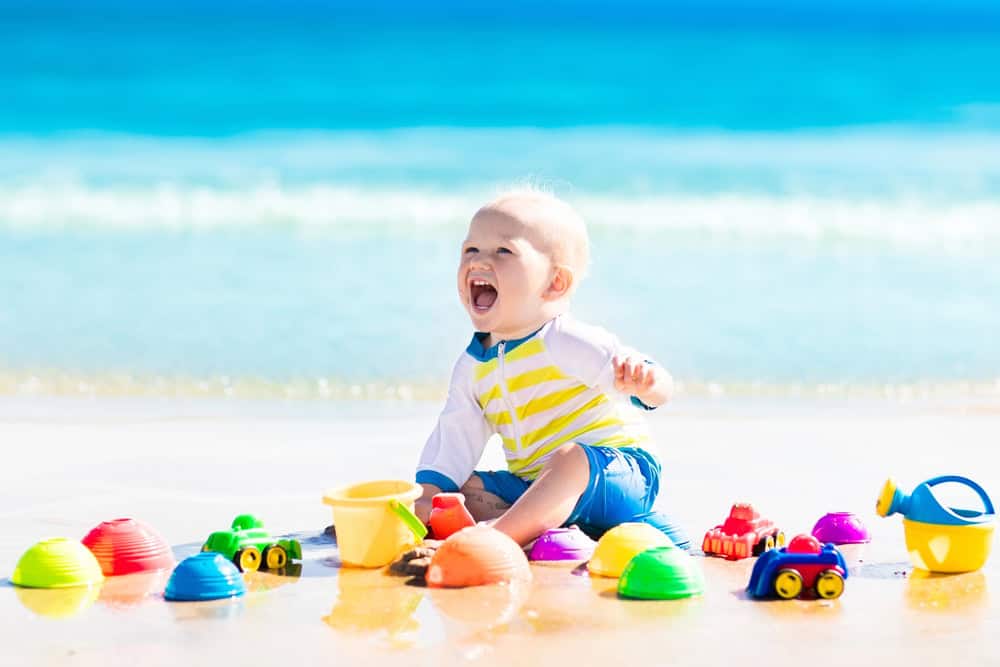
Waikiki with Babies and Toddlers gets easier when you stop treating the trip like a sightseeing mission and start treating it like a rhythm. You are not trying to win Waikiki. You are trying to build a few good hours around sleep, shade, meals and mood. That shift changes almost everything.
A family trip here can feel surprisingly manageable because Waikīkī spans connected beach sections from Duke Kahanamoku Beach to Queen’s Surf, with kid-friendly stops close by rather than scattered across the island. You can walk to the sand, head back to the room before everyone falls apart and still have enough energy left for an easy stroller outing or an early dinner.
The best version of this vacation is pleasantly repetitive. Morning outside. Midday reset. One small second outing if the day still has room for it. Dinner before anyone is hanging by a thread. Bedtime that feels familiar enough to work. That is the blueprint.
Why Waikiki With Babies and Toddlers Can Work So Well
Waikiki is one of those places that can look harder than it really is.
On paper, beach travel with little kids sounds like a lot of hauling, a lot of overstimulation and a lot of heat. In practice, Waikiki has one advantage that matters more than parents often expect: density. The beach, the hotel towers, shady walk options and family attractions like the Honolulu Zoo and the Waikīkī Aquarium sit close enough together that you can build a day around short moves instead of long transfers.
That matters when you are traveling with a six-month-old who needs feeds and stroller naps. It matters when you have a two-year-old who wakes up thrilled about the beach and then melts down forty minutes later because sand is in the wrong place. It matters even more when grandparents are with you, and the trip works best if no one is pushed into marathon days.
Waikiki also gives you options within a compact footprint. West Waikiki can feel simpler for families who want easier access to the lagoon side, resort grounds and low-effort walking paths. Closer to Queen Surf can feel better for families picturing park time, the Honolulu Zoo or the Waikīkī Aquarium as part of the trip.
You do not need to see every corner to have a good stay.
You need a base that makes it easy to go out, come back and go quiet before the day turns on you.
The Resort Routine Approach to Family Travel
A lot of family vacations go wrong in the same way. Parents build the trip around what looks fun at 9:00 AM, then spend the rest of the day reacting to overtired kids, missed naps, sticky clothes and dinner that got pushed an hour too late.
Waikiki works better when you reverse that logic.
Start with the parts of the day that are least flexible. Morning energy. Midday heat. Nap timing. Dinner before bedtime. Then fit your beach time, outings and meals around those anchors. Once you do that, Waikiki starts to feel less like a puzzle and more like a loop you can repeat with small variations.
That loop usually looks like this: one outdoor window in the morning, one protected indoor stretch in the middle of the day and one short late-afternoon or early-evening outing if everyone still has something left.
The beauty of a resort routine is that it lowers the number of decisions you have to make in real time. You are not waking up each day asking, “What should we do today?” You are really asking, “What is our one main thing this morning, and what is our easy backup later if it still feels good?” That is a much calmer question.
It also leaves room for real family travel. A stroller nap may replace your planned walk. A baby may need a long feed right when you meant to head downstairs.
Grandparents may happily do the morning beach session while one parent stays back with the baby. Siblings may need two different kinds of rest. A routine can hold all of that.
What a Realistic Waikiki Day Looks Like With Little Kids
A realistic Waikiki day is not built around being out all day. It is built around two usable outdoor windows and one strong return-to-room stretch that protects the rest of the trip.
Morning is usually your highest-value block. The beach is easier; the light feels softer; kids have more patience; and parents still have some margin. This is the moment for your main outing, whether that means a short beach setup, a stroller walk, a quick visit near the park side of Waikiki or a very modest attraction plan.
Then you leave before you feel forced to leave. That one decision saves more family vacations than almost anything else.
A Waikiki With Babies and Toddlers Day, Start to Finish
Picture a family with a six-month-old. They head out early, keep beach time short, protect shade and feeds and treat the room return as part of the plan, not as a retreat. After nap time, they might take a brief stroller walk, get an early dinner and keep the evening almost boring on purpose.
Now picture a family with a two-year-old. They still start early, but the day bends around motion and repetition. Water play in the morning. Lunch and cooldown back at the hotel. Maybe one more easy outing later, maybe not. If the toddler still has energy, a simple stroller walk in Waikiki or a backup water option can work better than a second beach round.
For multigenerational trips, the same framework helps because it reduces negotiation. Grandparents can take the stroller out while parents reset the room. One adult can handle an early dinner pickup while another starts baths and gets pajamas ready. The day does not depend on everyone doing the same thing for twelve straight hours.
For siblings on different nap schedules, the goal is not perfect alignment. The goal is a structure that absorbs some mismatch. One child naps in the room. Another gets quiet time, books or a hallway stroll with an adult. The family still returns to the same basic rhythm even if the details wobble.
That is why the routine matters more than the checklist.
How to Choose Your Daily “One Main Thing”
Families often overload Waikiki because everything looks close and doable. And a lot of it is. That is exactly why it helps to choose only one main outing per day.
Your one main thing should be the part of the day that would feel disappointing to miss. On one morning, that may be beach time. On another, it may be seeing the aquarium. On another, it may simply be a long stroller walk with coffee and no sand cleanup afterward.
Then choose one easy backup. The backup should not need much transit, much setup or much commitment. Maybe it is an afternoon promenade stroll. It could be a calm water alternative. Maybe it is takeout and lanai time after everyone naps badly.
The point is not to salvage a perfect day. The point is to keep momentum without forcing something bigger than your family can actually enjoy.
This is where Waikiki’s compact layout comes into play again. A family beach morning can turn into a room reset and still leave space to plan a heat-safe beach rhythm for the next day, rather than trying to squeeze in more on the spot. A low-energy afternoon can become one of the easier stroller routes nearby rather than a full attraction.
If you have grandparents with you, one main thing becomes even more useful. Everyone can rally for the same morning anchor, then divide and soften the rest of the day as needed. That feels much better than dragging the whole group through three “small” activities that add up to too much.
In select markets, BabyQuip Quality Providers rent clean, safety-checked scooters, wheelchairs, walking aids and other mobility gear with delivery to hotels, vacation rentals, residences or airports. Check availability here: https://www.babyquip.com/mobility-rentals. Same day delivery may also be available.
Best Times of Day for Beach, Walks, Meals, and Naps
Timing shapes the whole trip in Waikiki.
The beach usually makes the most sense early, when kids are freshest and the day still feels gentle. Midday is better used for getting out of the heat, eating lunch, washing off sand and protecting nap time. Late afternoon can work for a second short outing, but it should earn its place.
If the room reset ran long or the nap was rough, you are often better off skipping the second outing and moving straight to dinner. That is not lost vacation time. That is smart pacing.
If your family wants to enter the water, keep ocean time to cooler parts of the day, and remember that ocean conditions are constantly changing, so check conditions or talk to a lifeguard before getting in. If your toddler is excited about wading but easily intimidated, it helps to read up on calm ocean entry spots in Waikiki before the trip, so you are not making that choice while carrying towels and a tired child.
Walks fit best in transition windows. They are good before the beach, after the beach or between nap and dinner when everyone needs motion without another big production. Dinner works best early enough that you are not asking a toddler to be charming at the exact moment they should already be in pajamas. If you want ideas that fit that rhythm, start with early dinner spots in Waikiki for families with babies.
Naps deserve protection, not apology.
For many families, the room reset is what makes the rest of the trip work. A solid midday break lets you return to the beach the next morning without digging out from yesterday’s chaos. If you know shared-room sleep is going to be a pressure point, it helps to think through how to set up a Waikiki hotel room for infant and toddler sleep before you arrive.
Where to Stay and How Much Beach Time Is Realistic

Families sometimes assume the “best” hotel location is the one nearest the most famous stretch of Waikiki Beach. With babies and toddlers, the better question is simpler: which base makes your returns easiest?
If your trip leans toward easy beach access, lagoon time and lower-effort walking, the west side of Waikiki can feel more forgiving. If you picture more time near the park, the zoo, the aquarium and the quieter edges of the beach, being farther east may better align with your actual days. You are choosing for friction, not prestige.
That is a better planning lens.
The same goes for beach time. A successful Waikiki beach session with very young kids may be one hour. It may be ninety minutes. It may be shorter on day one when everyone is still adjusting to the room, the time change and the general noise of travel. The trip does not become better because you stayed until someone cried.
What makes a beach morning work is not only the water. It is the setup. If you want to think through the tradeoffs between convenience, shade and calmer family-friendly sections, read the best places to sit at Waikiki Beach for shade and calm water before you lock yourself into the closest patch of sand.
Sometimes the smartest family move is not to the beach. It is a backup plan that still feels fun.
On windier days, on overstimulating days or on days when your toddler wants water but not waves, splash and lagoon alternatives near Waikiki can preserve the mood of the trip without forcing the wrong outing.

Common Mistakes Families Make in Waikiki
One common mistake is trying to do Waikiki in the order adults would enjoy it. Slow breakfast, long beach day, late lunch, one more outing, sunset dinner. That rhythm can sound lovely and still be completely wrong for a baby or toddler.
Another mistake is choosing a beach plan before choosing a room-return plan. If you do not know how you are going to wash off, cool down, feed everyone and protect nap time, the beach session is only the first half of the story.
Families also get tripped up by overpacking each day. When every outing includes all the toys, all the snacks and all the “just in case” items, even a short walk starts feeling like a move. This is one reason BabyQuip can deliver and set up clean, safe and insured baby gear where you are staying. A full-size crib, the right stroller, a high chair and a few familiar basics can make the hotel, or vacation rental feel like a base instead of a holding area between activities.
Then there is the mistake of assuming every day needs to prove something.
You do not need a “real” beach day every day. You do not need dinner out every night. You do not need to fill every post-nap window. Some of the best Waikiki family days are the ones where the beach was short, the lunch was easy, and the only evening plan was a stroller loop and an early bedtime.
Those are not fallback days.
Those are the days that make tomorrow work too.
How to Build Flex Days Into Your Trip
A flex day does mean no plan. It means a lighter plan with room to pivot.
Maybe you wake up, and sleep was rough. Maybe your toddler is suddenly scared of the water. Maybe the beach looks busier or harsher than you hoped. Maybe grandparents want a quieter morning. A flex day lets you shift without feeling like the trip is slipping away.
In Waikiki, a good flex day still follows the same structure. Get outside early if you can. Keep the outing modest. Return to the room before the day feels punishing. Let the afternoon be earned, not assumed. Then take the win wherever it appears.
That win may be a stroller nap and a cup of coffee. It may be a short visit to the Waikīkī Aquarium because you want something contained and close to the park side. It may be lagoon time rather than ocean time. It may be dinner in the room because everyone is suddenly done.
A flex day is often when families discover the version of Waikiki they actually enjoy.
If you like the idea of a ready-made example that puts all of this into a sequence, a 3-day Waikiki itinerary for families with babies and toddlers can help you see how these pieces fit without turning the trip into a checklist.
Your Next-Step Guides for Beach Setup, Sleep, Dining, and Itinerary Planning
Once you understand the routine, the rest of the planning becomes more targeted.
If your main question is where to base yourself on the sand, start with the guide to the best places to sit at Waikiki Beach for shade and calm water. If your bigger concern is the daily clock, Waikiki with a baby: a heat-safe beach schedule goes deeper on timing.
If you know your family does better with walking than with sitting still, the best stroller walks in Waikiki can help you build easier transition windows. If your toddler is fixated on getting in the water, the best calm ocean entry spots in Waikiki for toddlers will help you think through that choice more clearly.
If dinner is usually where your day starts to unravel, the best early dinner spots in Waikiki for families with babies is the next read. If naps and bedtime in one hotel room feel like the real trip-maker, go straight to how to set up a Waikiki hotel room for infant and toddler sleep.
If you want to see how a gentle trip can unfold from arrival through departure, open a 3-day Waikiki itinerary for families with babies and toddlers. You do not need all the details at once. You just need the next right layer.
Frequently Asked Questions
Is Waikiki Good for Babies and Toddlers?
Yes, Waikiki can work very well for babies and toddlers because the beach, hotels and nearby family stops are close together. That compact setup lets you build shorter outings and easier returns, rather than spending half the day in transit.
Where Should Families Stay in Waikiki With a Baby?
Stay where your returns are easiest. West Waikiki can feel simpler for families who want lagoon-side convenience and low-effort resort movement. Closer to Queen Surf may fit better if you picture park-side strolls and quick access to the zoo or aquarium.
How Much Should We Plan Each Day in Waikiki With Little Kids?
Less than you think. One main outing plus one easy backup is usually enough. When families plan two major outings and a late dinner, the day can become harder than it needs to be.
What Time of Day Is Best for Waikiki Beach With Babies?
Earlier is usually better. The morning gives you a more forgiving window for beach time, feeds and a hotel return before the middle of the day starts draining everyone.
Is Waikiki Walkable With a Stroller?
Yes, many parts of Waikiki are stroller-friendly enough to make short outings very useful. Walks are especially helpful between naps, before dinner or on days when you want outside time without committing to another beach session.
Do We Need to Bring Baby Gear to Waikiki?
Not always. Many families prefer to travel lighter and use BabyQuip for full-size cribs, strollers, high chairs, toys and other delivered gear. That can make naps, meals and downtime feel much more predictable once you arrive.
What Is the Easiest Way to Make Naps Work in Waikiki?
Treat the midday room return as part of the vacation plan, not as lost time. A familiar sleep setup, cooler indoor time and less pressure to stack activities all make naps more likely to hold.
Waikiki with Babies and Toddlers works best when you build the trip around a rhythm rather than volume. Keep the mornings purposeful, the middle of the day protected, and the evenings simple enough that bedtime still has a chance. When you use Waikiki that way, it stops feeling like a place you have to conquer and starts feeling like a place your family can actually enjoy, one calm, repeatable day at a time.