

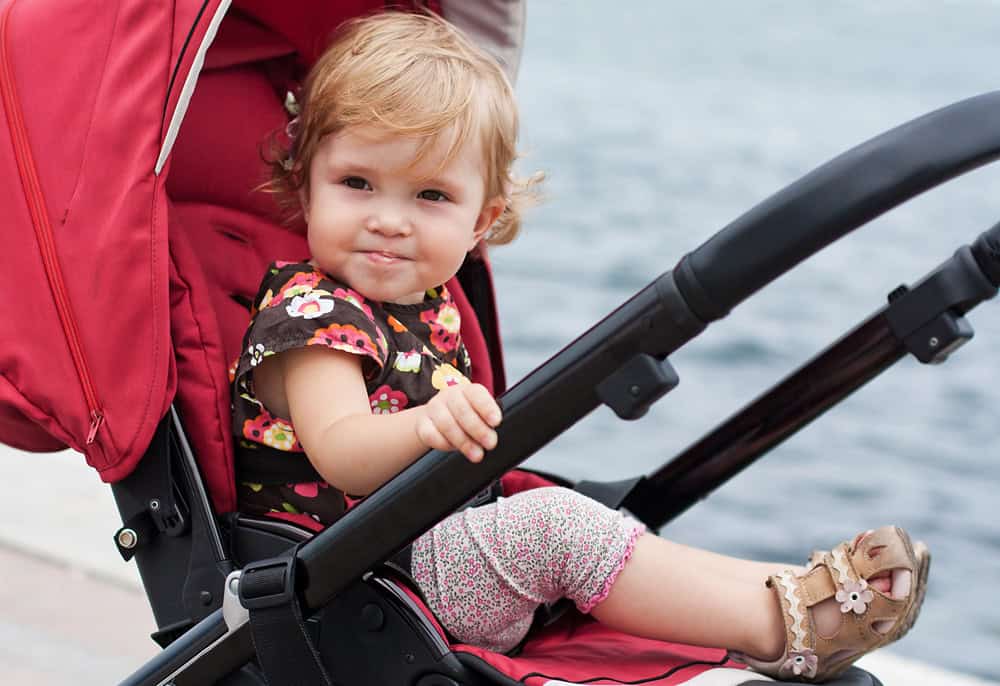
Getting around Wisconsin Dells with little kids is less about logging huge walking mileage and more about surviving the constant in-between moments. You are moving from the car to the lobby, from the room to the pool bag, from a downtown parking stall to a short outing, then back again before nap time slips away. In a destination that totals just over 19 square miles, the gear you bring can either smooth those transitions or make every stop feel heavier than it should. That is why the stroller-versus-wagon question matters here.
If you are still shaping the big picture of your trip, our guide to Wisconsin Dells with kids helps you map the full experience. This article stays narrower on purpose. We are looking at how to navigate the Dells with a baby, a toddler, or both, and how to choose a setup that actually fits your days.
Why Getting Around Wisconsin Dells Feels Different With Little Kids
Wisconsin Dells is not one contained attraction where you park once and spend the whole day on foot. Families often move between resort grounds, waterpark entrances, meal stops, indoor attractions, scenic breaks and downtown pockets across the same trip. That spread changes what “good gear” means.
You do not need the most rugged setup in your garage. You need the setup that handles repetition well.
A stroller or wagon in Wisconsin Dells earns its keep in short bursts. Think parking lots, curb cuts, lobby hallways, elevator rides, sidewalks, room changes and tired-child exits after a morning that lasted ten minutes longer than it should have. The right choice is usually the one that folds fast, rolls predictably and does not become your most annoying piece of luggage by day two.
That is also why families often make the wrong decision when they shop from the headline down. A wagon can sound like the vacation hero because it holds everything. A stroller can sound limited because it feels more kid-specific. In practice, nap needs, trunk space, resort layout and how many times you will load and unload the gear matter more than the marketing label.

Do You Need a Stroller or Wagon in Wisconsin Dells?
Sometimes yes. Sometimes no. Sometimes you need one and a carrier, not two bulky wheeled options.
Start with five questions.
-
Will your child nap on the go?
-
Are you moving one child or two?
-
Are you carrying towels, snacks, dry clothes and souvenirs with you most days?
-
Will you be doing mostly short outings or longer attraction days?
-
How much patience do you have for folding, lifting and storing the gear every time you change locations?
If your toddler still naps in motion, the stroller usually wins. If you have two kids, one of whom mostly walks, the answer gets trickier. If your family tends to carry half the room with you, a wagon starts to make more sense. If you are road-tripping with a packed trunk, the biggest gear choice may not be the best one, even if it looks ideal in theory.
The Dells also expose weak points fast. A huge wagon can feel great across resort grounds, then feel ridiculous in a tighter hotel elevator. A compact stroller can feel perfect downtown, then leave you wishing for more storage when you are hauling layers, snacks and wet towels.
That is why the best answer for many families is not “always stroller” or “always wagon.” It is choosing the default tool for your actual trip style, then adding a baby carrier if you need a second layer of flexibility.
Best Use Cases for Strollers
A stroller is usually the strongest choice when sleep, pace control and repeated transitions are driving the day.
If you have a 2-year-old who still naps after lunch, a stroller gives you a realistic chance of keeping a short outing going without forcing an early return. If you are traveling with one baby and one older toddler, a stroller can anchor the child who needs the most support while the older child walks until the inevitable tired-legs moment. If a grandparent is helping with outings, a stroller often feels simpler than a wagon because it is easier to steer, fold and use in tighter indoor spaces.
The features that matter here are not flashy. You want a comfortable seat, a real recline, decent sun coverage, a basket that can hold the basics and a fold you do not dread. In Wisconsin Dells, you may park, unload, fold, unfold and reload more often than you expect. That repetition punishes awkward gear.
Downtown is a good example. From April 1 through September 30, parking in the downtown area requires paid stalls, so a quick in-and-out setup matters more than usual if you are hopping out for a short walk, a snack stop or a brief shopping break. You do not want your mobility plan to turn a 30-minute stop into a production.
A stroller also tends to work better than a wagon for indoor-heavy days. Ticket areas, tighter aisles, lobby corners and crowded entrances usually reward a narrower footprint. Even when the outing itself is short, the calmer handling can preserve your energy.
If your child no longer naps, though, you do not need to force a stroller just because it feels like the default baby gear answer. A stroller without a real job becomes cargo storage on wheels, and there may be better ways to solve that problem.
When a Wagon Makes More Sense
A wagon shines when the trip involves carrying two kids, hauling more supplies or building in lots of short outdoor movement without expecting a true stroller nap.
This can be the better call for a family with a baby in a carrier and a 3-year-old who walks until they suddenly do not. It can also work well if you are treating the Dells as a mix of resort time and low-pressure outings rather than an all-day attraction marathon. In that version of the trip, the wagon becomes part seat, part snack station and part hauling solution.
It also has a psychological advantage. Many toddlers who refuse to ride in a stroller will still climb into a wagon when they get tired. That matters on vacations, where cooperation can disappear without warning.
Still, wagons get oversold. They are not automatically easier.
They are bulkier to load, clumsier in some indoor spaces and often less useful for solid naps. A child may doze in a wagon for a few minutes, but that is not the same as sleeping in a supported stroller sleep on a longer walk. If your trip depends on that nap, a wagon may leave you with a child who is technically rested but emotionally un-rested.
A wagon is often best when your kids are awake, your outings are shorter, and your family likes having room for snacks, towels, sweatshirts and the random extras that multiply on family trips. If that sounds like your style, the bulk may be worth it. If not, the wagon can turn into one more large thing you resent lifting.
How to Plan for Naps, Snacks and Tired Legs
This is where the decision gets real.
Your mobility setup should align with the time of day when everyone is least flexible. For many families, that is not an exciting morning. It is late morning drifting into lunch, or late afternoon when the outing ran long, and nobody wants one more transition.
If your toddler naps reliably in a stroller, build around that strength. You may be able to stretch a scenic stop, a downtown stroll or a quieter attraction because sleep can happen in motion. If your child never naps outside the room, do not overvalue that feature. In that case, storage, comfort and quick returns may matter more than recline.
Snack hauling matters, too. Families often picture one neat diaper bag, and reality delivers a snack pouch, water bottles, sunscreen, a backup outfit, wipes, a small comfort item and something wet by noon. That load is one reason wagons tempt people. Yet if your child also needs a secure seat, you may be better off with a stroller plus a smaller tote than with a huge wagon you keep wrestling in and out of the trunk.
You should also think about where you are staying. A property with easier room access, quieter midday returns and smoother logistics can change the gear equation quite a bit. If you are still deciding on that side of the trip, our article on nap-friendly lodging in Wisconsin Dells goes deeper on the features that make breaks and bedtime easier.
The same goes for your day plan. A stroller-friendly family flow looks different from a wagon-friendly one. If you want a realistic picture of how those decisions shape a short stay, our two-night Wisconsin Dells itinerary shows how pacing, naps and transitions fit together.

Getting Around Wisconsin Dells for Waterparks, Indoor Attractions and Short Outings
The best gear can change by outing type, but you still want one main setup that covers most of your trip.
For waterpark days, the stroller or wagon usually matters more before and after the splash time than during it. You are using it to get from the room or car to the entrance, to move towels and dry clothes, or to carry a child who melts down the moment the fun is over. If your child tends to crash after water play, the stroller has a real edge on the way out. If your bigger issue is hauling gear for two kids, the wagon may earn its keep.
For indoor attractions, a stroller often pulls ahead. You are more likely to deal with tighter turns, indoor queues and a shorter list of supplies. The wagon may still work, but it is less likely to feel graceful.
Getting Around Wisconsin Dells During Short Outings
Short outings are where you can save or lose a lot of energy.
A place like the Scenic River Walk is a good reminder that not every family that stops in the Dells needs heavy-duty hauling. It is a ¼-mile paved path that is free and open year-round, which makes it the kind of outing where a stroller can feel light, easy and fully sufficient. A wagon can still work there, especially if you are carrying layers and snacks, but it is not automatically the better choice just because the stop is outdoors.
That same logic applies to many of the calmer family breaks that fit between bigger plans. If the outing is really a 20- to 45-minute reset, your gear should not feel more ambitious than the stop itself.
If that is the kind of break your family wants more of, our guide to the best short, scenic stops near Wisconsin Dells can help you choose outings that fit stroller naps, quick leg stretches and low-pressure family pacing.
When to Add a Baby Carrier to the Plan
A carrier solves problems that neither a stroller nor a wagon solves perfectly.
If you have one baby and one toddler, a carrier gives you a backup when the toddler unexpectedly claims the stroller or wagon seat. If you are navigating a quick transition where unloading the big gear feels silly, the carrier can save the stop. It also helps when a child is overwhelmed and wants contact more than a seat.
This is why many families do well with a stroller and a carrier. You cover naps, storage and long walks with the stroller, then use the carrier for the short bursts when wheels feel like overkill. That setup often creates less friction than bringing both a stroller and a wagon.
A carrier also subtly supports grandparents or multi-generational groups. One adult can take the baby close while another manages the older child, rather than asking one piece of gear to solve every mobility need at once.
Common Mobility Mistakes Families Make
The first mistake is choosing the biggest option, since vacation feels like a special case. A bigger gear can help, but only if you will actually use its extra capacity enough to justify the size.
The second mistake is assuming a wagon is always easier with two kids. Sometimes it is. Sometimes it just becomes a heavy rectangle that eats your cargo space and makes every doorway more awkward.
The third mistake is ignoring the end of the outing. Families often choose gear based on the cheerful start of the day. The smarter move is to picture the tired walk back, the sweaty child, the dripping bag, the refusal to stand up one more time and the parent who still has to get everyone into the room.
The fourth mistake is skipping the carrier because it feels optional. On a trip with babies and toddlers, an optional item can become very useful very quickly.
And the fifth mistake is overbringing gear because “we might need it.” Wisconsin Dells is a destination where flexibility helps, but too many bulky pieces can slow you down more than they help. You want enough support to keep the day moving, not so much equipment that every outing starts with a packing puzzle.
Renting Instead of Bringing Bulky Gear

Sometimes the best stroller or wagon decision happens before you leave home.
If you are flying, using a small rental car or road-tripping with a full trunk, bringing large mobility gear can turn the travel day into its own headache. Renting at the destination lets you match the gear to the trip instead of forcing the trip to fit what you can physically pack.
Through BabyQuip, families can reserve strollers, wagons and other essentials like stroller fans to kiddos cool and have the gear delivered to a hotel, vacation rental or private home. For families trying to travel lighter, that can be the difference between feeling prepared and feeling overloaded before the vacation even starts.
This also helps when you know the trip calls for something you do not use much at home. Maybe your toddler rarely rides in a stroller anymore, but you know a travel destination with more walking and more transitions will change that. Maybe you do not want a wagon taking up half the car for one weekend. Renting lets you solve the specific problem without making a long-term gear commitment.
It can also be the cleaner answer for grandparents. If they are meeting you in Wisconsin Dells or hosting part of the stay, renting keeps them from buying extra baby gear just to cover a few days.
A Simple Decision Guide for Your Trip
If your child still naps on the go, choose the stroller.
If you have two kids who will both climb in and out, need more room for supplies, and are doing shorter awake outings, look more closely at the wagon.
If you are trying to avoid overpacking, choose one wheeled option and add a carrier.
If your lodging has long walks to the property, multiple daily transitions or awkward room-to-car logistics, lean toward the setup that folds faster and frustrates you less. The “best” gear is the one you do not mind using six times in one day.
If your trip is built around calmer family breaks, simple meals and one main activity at a time, resist the urge to pack like you are covering every possible scenario. You probably need less equipment than you think, and more clarity than you think.
That is also where the broader Wisconsin Dells plan comes back into view. The right gear choice depends on whether your trip leans waterpark-heavy, low-key, nap-protective or outing-first. When you match the mobility setup to your real family rhythm, Getting Around Wisconsin Dells starts to feel much easier. You are not fighting the destination. You are moving through it in a way your kids can actually handle.
In the end, the best answer is rarely the stroller or wagon that looks most impressive in the garage. It is the one that helps your family stay flexible, keep transitions short and protect energy for the parts of the trip you came for. If you make that decision well, Getting Around Wisconsin Dells becomes one less thing to manage and one more part of the trip that simply works.