

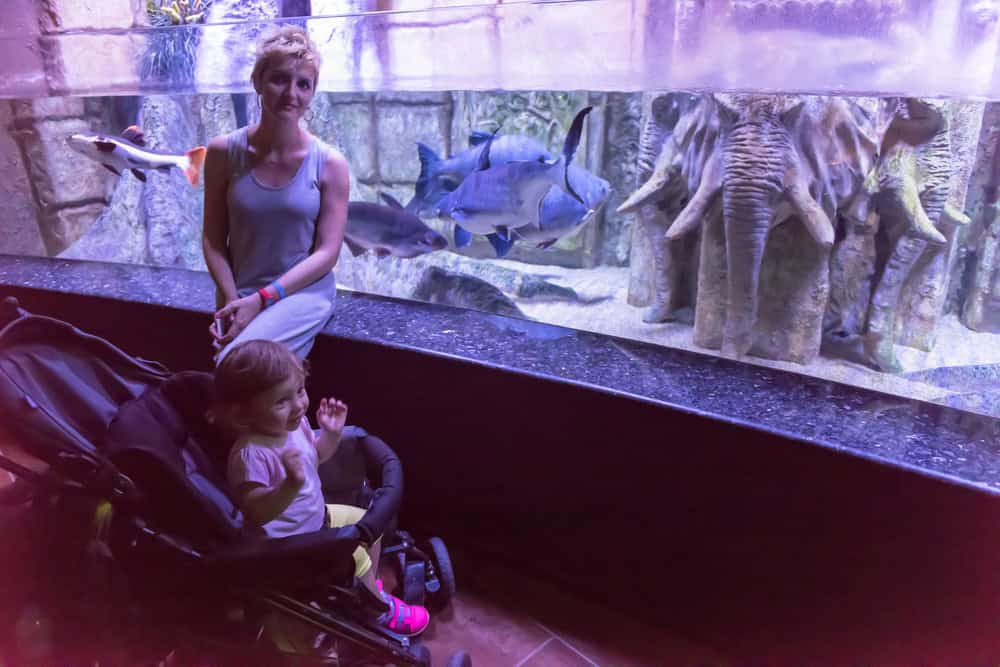
Finding the best time to visit the Aquarium of the Pacific with a toddler is less about chasing one universal “best” hour and more about matching the visit to your child. A toddler who wakes up cheerful at dawn and fades fast by lunch needs a very different aquarium plan from a child who naps midday and does better after a slow start. That’s why this decision matters so much.
When parents picture a great aquarium day, they often imagine seeing more, staying longer and getting full value from the ticket. With toddlers, that math changes. A shorter visit at the right time can feel calmer, smoother and much more memorable than a longer visit that lands during hunger, nap resistance or sensory overload.
If you want the day to go well, start with your child’s rhythm, then move on to the aquarium.
Why Timing Matters More When You Visit With a Toddler
The Aquarium of the Pacific offers families plenty to see, but it is still a stimulating outing. There are crowds, transitions, bright movement, animal talks and plenty of walking. Even on a good day, that can feel like a lot to a small child.
Toddlers also do best when the day respects sleep and meal rhythm. Health authorities note that children ages 1 to 2 years typically need 11 to 14 hours of sleep per 24 hours, including naps, and children ages 3 to 5 years typically need 10 to 13 hours per 24 hours, including naps. When your visit competes with that rhythm, even a fun destination can start to feel hard.
That’s the part many families underestimate.
You are not only planning around crowds. You are planning around attention span, snack timing, stroller tolerance, walking patience and how quickly your child goes from fascinated to done.
The aquarium’s own tickets and reservations, prices and hours add another layer because timing can affect entry flow, parking stress and how much flexibility you have once you arrive. A plan that looks fine on paper can unravel fast if it asks your toddler to be patient at exactly the wrong part of the day.
That is why “go early” is too simple to be the whole answer.
What Is the Best Time to Visit the Aquarium of the Pacific With a Toddler?
For many families, the easiest answer is opening time or very close to it. Your toddler is more likely to be fresh, the day still feels open, and you have room to leave early without feeling like the whole outing was a bust. If your child likes new places but tires quickly, this is often the strongest option.
Opening-time visits also give you the best chance to keep the pace gentle. You can enter, settle in and head straight to a few high-interest areas before the building feels busier. If you already know your child tends to latch onto only a handful of exhibits, pairing an early arrival with this guide to the best Aquarium of the Pacific exhibits for toddlers can help you make the most of that first strong attention window.
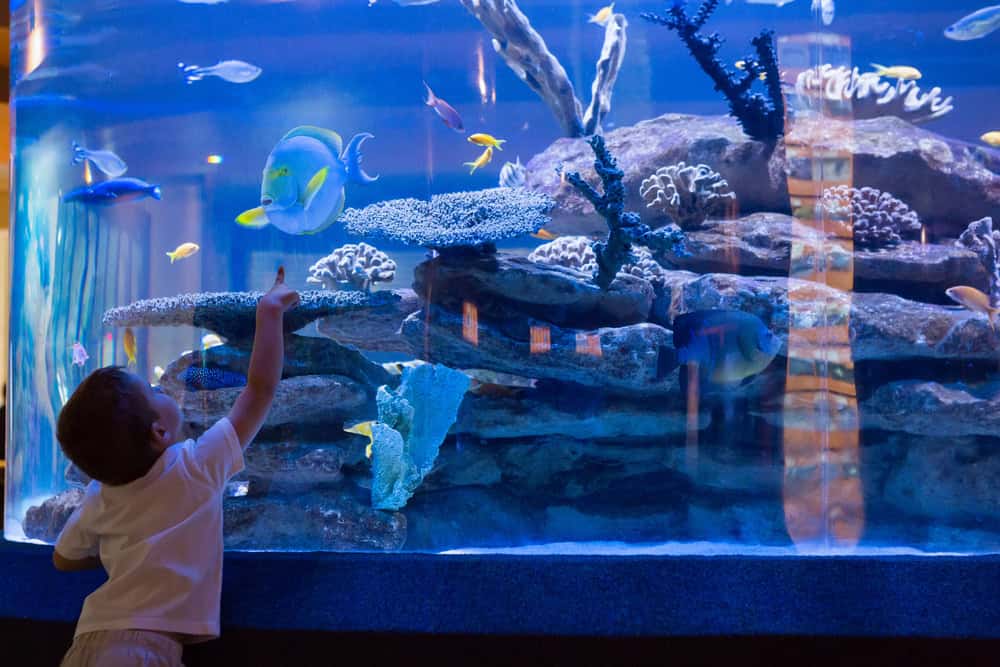
Mid-morning can work well too, especially if your morning at home or in your hotel tends to be slow. This window usually fits families who need breakfast without rushing, want time to get everyone dressed and still hope to visit before the post-lunch slump. The tradeoff is that your child may hit the aquarium closer to snack time, which means you need to be honest about how long “happy and engaged” really lasts.
Post-lunch or post-nap visits can be the best fit for some toddlers, not a compromise. If your child gets dysregulated when you push the morning too hard, a later start may feel far more humane. The downside is that you may have a shorter window before fatigue returns, and the aquarium may feel fuller on some days.
Late afternoon works best for a very specific family profile. This is usually the right choice only when your toddler naps well, wakes cheerful and can handle a shorter, more targeted visit. You are not going to be late to “see it all.” You are going late because you know your child can enjoy ninety minutes to two hours after a solid reset.
So which window wins? The real answer is the one that protects your child’s strongest stretch of the day.
Is Morning Or Afternoon Better for the Aquarium?
Morning is usually better for toddlers who wake early, transition well and do not need a long warm-up. It tends to feel simpler because you are using your child’s freshest energy rather than borrowing from later in the day. You also leave yourself more space for lunch, stroller downtime or a second activity if the visit goes well.
Morning visits also tend to feel easier emotionally for parents. If the day goes sideways, you can still regroup. If it goes beautifully, you can build from there.
Afternoon is better when the nap is the non-negotiable anchor of your day. Families sometimes fight that reality because they worry they are “losing” aquarium time. In practice, protecting the nap often gives you a better visit than arriving earlier with a child who is already running low.
That tradeoff matters more than ambition.
If your toddler is sensitive to noise, movement or crowd density, morning often has the edge because the day usually starts calmer. If your child is slower to warm up, the afternoon may feel less abrupt. Think about how your toddler handles novelty. Some kids walk in ready to point and chatter. Others need twenty quiet minutes just to settle.
Best Time to Visit the Aquarium of the Pacific for Midday Nappers
If your toddler naps around noon, the sweet spot is usually one of two options. The first is an opening-time arrival with a firm plan to leave before the nap window starts to unravel. The second is a post-nap visit that treats the aquarium as the main event of the second half of the day.
The first option works better when the nap can happen in the car or stroller without turning the rest of the day upside down. The second works better when nap quality makes or breaks family morale, and you know a disrupted midday sleep will cost you later.
This is also where travel setup matters. If you are staying overnight, sleeping the night before can make your visit timing much easier to predict. BabyQuip can help simplify that part of the trip with gear that supports routine, like travel cribs, sound machines, strollers and feeding essentials delivered to your hotel, vacation rental or family home.
How to Plan Around Naps, Snacks, and Energy Levels

The best timing plan usually starts with one fixed point: nap.
Once you know whether you are planning before nap, after nap or around a car nap, the rest gets easier. You can then map snack timing, lunch and how long your child can reasonably stay interested before needing a reset.
For many toddlers, the toughest moment at the aquarium is not the entrance. It is the point where stimulation, hunger and tired feet all arrive at once.
That is why snack timing matters so much. A child who walks in underfed may seem fine for thirty minutes, then fall apart fast. A child who arrives right after a meal may buy you more time, though that can still backfire if the visit starts too close to nap. Try to think in terms of “How do we get a good first hour?” rather than “How do we stretch the day?”
There is also the question of what comes first.
If the aquarium is your main priority, do it first while attention is at its peak. If the aquarium is only one stop in a broader day, you need to ask whether your toddler usually handles one big outing well or whether the first activity drains the second. Families combining the aquarium with waterfront time often do better when they use the aquarium as the structured part of the day, then stay flexible afterward. This broader Long Beach with toddlers day plan can help if you are trying to decide how the aquarium fits into a larger outing.
Weather plays a role, too, even though the aquarium is mostly an indoor attraction. If you plan to follow it with a walk, lunch outside or beach time, your child’s energy for outdoor time may depend more on the aquarium timing than the weather itself. A great aquarium visit can make the second stop feel easy. A mistimed one can make even a simple lunch feel like too much.
If you want a tighter schedule to work from, this half-day Aquarium of the Pacific itinerary is especially useful for families who know they do better with a shorter, well-paced plan.
Weekdays, Weekends, and Busy Travel Periods
Weekdays usually give families more breathing room.
That does not mean every weekday will feel empty or every weekend will feel impossible, but the feel of the outing often changes once more families arrive at the same time. On weekends and holidays, the aquarium’s official tickets and reservations page and prices and hours page note that reservations are required, which is a good reminder that those dates can demand more planning before you even park.
A toddler can go from happy to overloaded before the first exhibit if arrival feels chaotic. If you are debating whether an early arrival is worth the effort, parking ease is one of the strongest arguments in its favor. This guide to Aquarium of the Pacific parking and stroller tips can help you think through how timing affects the very first part of the day.
School breaks, holiday weeks and special event periods deserve extra caution. Even if your child can handle a lively room, the combined effect of busier entry areas, slower movement and longer waits can flatten the visit faster than you expect.
During quieter travel dates, you often have more room to follow your child rather than spend energy managing the environment. That difference is huge with a toddler.
The Best Visit Windows for Different Family Scenarios
No single answer fits every family, so it helps to match your timing to the kind of day you are actually having.
Best for Toddlers Who Wake Early
Aim for opening or closing to it. This window lets you use your child’s best mood, avoid dragging the outing out too long, and leave before overstimulation builds. If your toddler peaks early and crashes early, this is usually your cleanest option.
Best for Kids Sensitive to Noise
Choose the earliest visit window you can manage without rushing in the morning. A regulated start matters just as much as a quiet building. If getting out the door early causes chaos at home or in the hotel, an early-morning visit may not be your calmest option after all.
Best for Families Doing Only a Half-Day Visit
Pick the stretch of the day when your toddler is most consistently pleasant, then commit to leaving while things are still going well. Parents often stay too long because the outing costs money. In real life, the best-timed short visit often feels like the better value.
Best for Families Combining the Aquarium With Lunch or Beach Time
Morning aquarium, then lunch, then decide whether your child has enough left for a second stop. That sequence tends to work because it places the most stimulating outing first and keeps the rest of the day flexible. If you want to pair the aquarium with sand play later, this Aquarium Day + Beach Day Itinerary shows how to keep that kind of day from feeling overpacked.
Best for Families Coming From Farther Away
If the drive eats into your calm morning window, forcing an opening-time plan may create more stress than it solves. In that case, it’s better to arrive later, preserve the mood and keep the visit intentionally short. The best arrival time is the one that does not require your toddler to absorb all the travel strain before the aquarium even begins.
Signs You Should Shorten the Visit
A toddler rarely goes from “great” to “done” without warning.
Watch for a sudden drop in interest, more requests to be carried, whining that starts to loop, refusal to walk, fixation on snacks or a child who seems overwhelmed by things they were enjoying ten minutes earlier. These are not signs that the outing failed. They are signs that you have found the natural endpoint.
That is a win if you listen to it. You do not need to squeeze out one more gallery, one more show or one more photo. In fact, leaving at the right moment can be the move that makes your child happy to return another day.
This is also where knowing the daily showtimes can help. If there is one short program your child would love, aim for it early in the visit rather than saving it for the end when you hope it will rescue a tired toddler.
A good aquarium day with a toddler often ends with the parent saying, “We could have stayed longer, but we didn’t need to.” That is very different from leaving because everyone is melting down in the gift shop.
FAQs
What Time Should I Go to the Aquarium of the Pacific With a Toddler?
For many families, opening time or soon after is the easiest window because toddlers are fresher and the day still has flexibility. If your child naps midday and does not handle early starts well, a post-nap visit may be the better fit.
Are Mornings Better Than Afternoons for Toddlers?
Usually, yes, but not always. Morning tends to work best for early risers and kids who handle new environments well. Afternoon can be better for toddlers whose nap is non-negotiable and whose mood improves after a full reset.
Is the Aquarium Too Crowded on Weekends?
Weekends can feel busier and require more planning, especially because the aquarium notes that reservations are required on weekends and holidays. If your child is sensitive to crowds or transitions, weekdays tend to be lower-stress.
How Long Should an Aquarium Visit Last With a Toddler?
Many toddlers do well with about 90 minutes to 3 hours, depending on age, energy and timing. The better question is not “How long should we stay?” but “How long can we stay while everyone is still enjoying it?”
Should We Do the Aquarium Before or After Lunch?
Before lunch is often easier because you can use the stronger part of your toddler’s day inside the aquarium, then decide what comes next. If your child naps before lunch or has a slow morning rhythm, a later visit after food and rest may work better.
The best time to visit the aquarium of the Pacific is the time that lines up with your toddler’s happiest, most stable stretch of the day. When you plan around that instead of pushing for the longest possible visit, the whole outing usually feels lighter for your child and for you.